
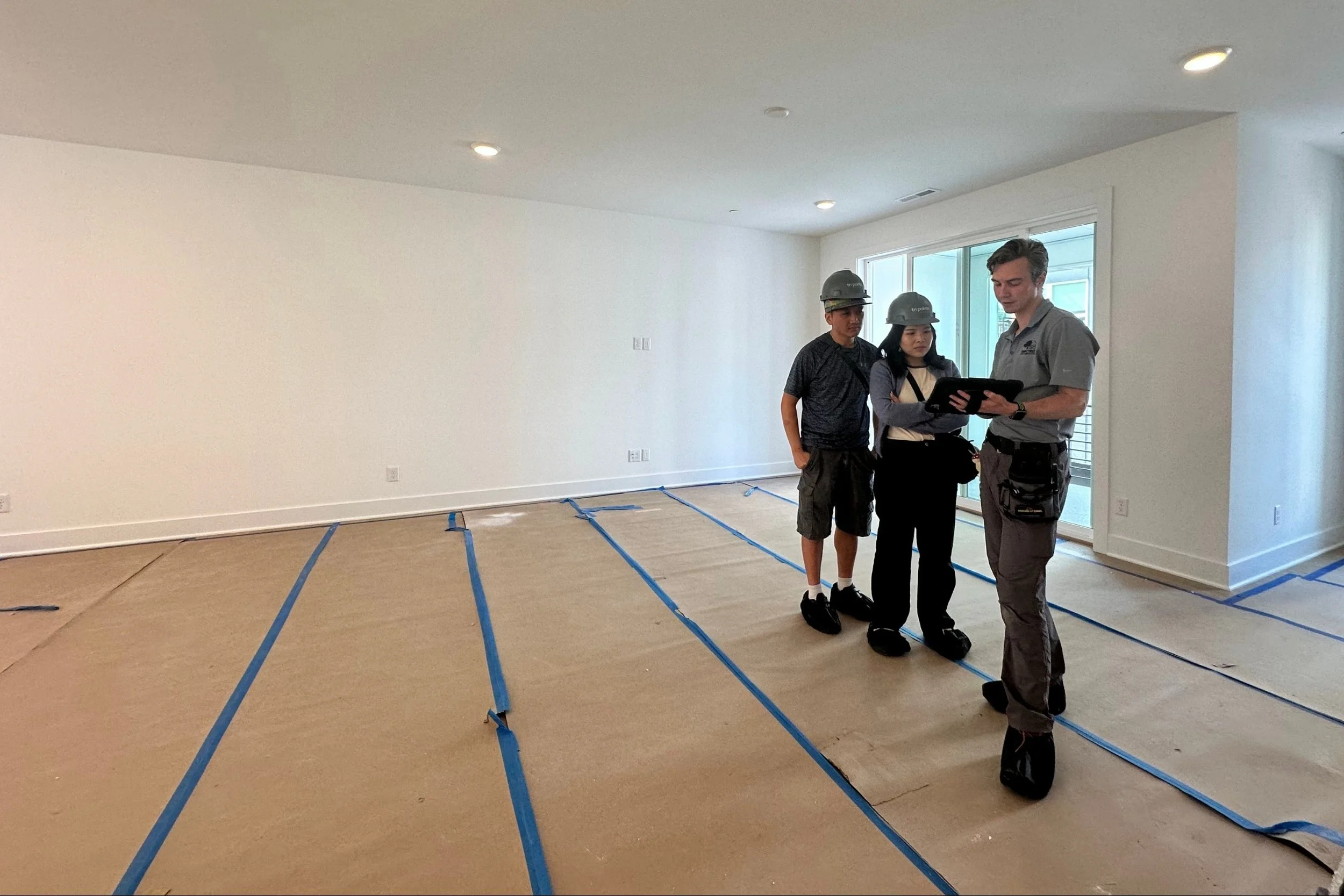
Short answer: a licensed, eyes-only check of how the house is doing today.
Real answer: A home inspection is a licensed inspector’s visual, noninvasive look at a home’s current condition. It covers the roof, exterior, structure, attic, crawlspace, plumbing, electrical, heating and cooling, interior and the ground right around the house. You get a written report with photos. In Washington, home inspectors must be licensed and follow the state’s standards of practice, and a typical Seattle house takes about 2 to 3 hours. It isn’t pass or fail, a code inspection or an appraisal.
Home inspection preview
See what an inspector will look at in your home
Tell it a little about your home. You’ll see every system a Washington inspector covers in it, what tends to come up for a home like yours, which specialists are worth adding, and what to do next, whether you’re selling, checking on your own home or buying.
What the inspector covers
Worth adding
After the inspection: Form 35 default clock
Add your dates (optional)
Based on Washington’s home inspector standards of practice (WAC 308-408C, as amended August 2026) and the defaults in NWMLS Form 35 (Rev. 2/26). Days start the day after the event and end at 9 p.m.; periods of 5 days or less skip weekends and Washington legal holidays. Your contract and your inspector’s agreement control. General information, not legal advice.
I’ve stood in a lot of crawlspace doorways over the years, on both sides of the deal. Sellers want to know what the inspector will poke at. Owners want to know whether an inspection is worth it when nobody is buying. The preview above answers that for your own home. The rest of this post covers what an inspection is, what it isn’t, and what happens after the report lands.
The basics
What is a home inspection?
The legal definition
Washington defines a home inspection as a professional examination of the current condition of a house. The inspector is a generalist. They look at every major system with their eyes, simple tools and the home’s normal controls. Then they flag anything that needs a specialist.
Licensed since 2009
Since 2009, anyone doing this for pay in Washington needs a home inspector license from the Department of Licensing. Every inspection has to meet the state’s standards of practice.
- It isn’t pass or fail.The report is a list of findings, from safety items to routine maintenance. No house passes or fails.
- It isn’t a code inspection.Inspectors don’t have to judge code compliance. They report what they see against today’s building practices, which is why older homes collect more notes.
- It isn’t a guarantee.The state standards say it plainly: an inspection isn’t technically exhaustive and doesn’t find concealed conditions or latent defects. Nothing gets opened up.
| Who does it | What it answers | Pass or fail? | |
|---|---|---|---|
| Home inspection | A licensed home inspector, hired by the buyer (or the owner) | What condition the home’s systems are in today | No. It’s a list of findings. |
| Pre-listing inspection | A licensed home inspector, hired by the seller | The same question, before the home goes on the market | No. More on pre-listing inspections. |
| Appraisal | A licensed appraiser, ordered by the buyer’s lender | What the home is worth for the loan | No, though some loans add required repairs. |
| City permit inspection | The city or county building department | Whether permitted work was built as approved | Yes. Work is approved or gets corrections. Checking permit history. |
What’s covered
What do home inspectors look for?
Washington’s standards list what every licensed inspector must cover. Here’s the short version, system by system.
| System | What the inspector does |
|---|---|
| Roof | Walks it, or inspects it another way when walking isn’t safe. Gutters, downspouts, flashing, vents, skylights and the outside of the chimney. |
| Exterior and site | Siding, trim, windows, doors, decks, steps and railings (gaps over 4 inches get noted). Grading and drainage next to the foundation, trees close to the house, and walks and retaining walls that touch it. |
| Structure | Foundation, framing, posts and beams. Enters the attic and crawlspace when it’s safe, probes wood where rot is likely, and reports rot and conditions that invite wood-destroying pests. |
| Plumbing | Runs the fixtures and checks drainage, records the hot water temperature, finds the main shutoff, and reports a water heater without seismic straps. |
| Electrical | Service size, the panel and breakers, the type of wiring, grounding, and missing GFCI or AFCI protection where it’s recommended. |
| Heating and cooling | Runs the system with the normal controls and opens the access panels meant to be opened. Heat pumps get tested in heat or cooling mode. |
| Interior | Walls, ceilings and floors for signs of hidden water or damage, windows and doors, stairs, and missing smoke and carbon monoxide alarms. |
| Insulation and ventilation | Insulation in the attic and crawlspace, bath and kitchen fans, and a missing vapor barrier over a dirt crawlspace floor. |
| Fireplaces and stoves | Dampers, fireboxes and hearths. The flue only as far as it can safely be seen. |
| Attached garage | Door opener auto-reverse and sensors, and the fire separation between the garage and the house. |
The state standards cover buildings with 4 or fewer homes. In a condo, the inspector looks at your unit; the roof, siding and other common elements belong to the association and aren’t part of it. The association’s documents cover those: see the condo resale certificate.
What’s not
What a home inspection doesn’t cover
The standards also list what inspectors don’t have to do. Most of it comes down to 3 ideas. They don’t open anything up, and they don’t predict the future. They don’t test for environmental hazards unless you agree to it in writing.
- Hidden and underground items.Anything behind walls, under floors or underground, including buried oil tanks and sprinkler lines. Inspectors don’t move furniture or stored belongings to see.
- How long things will last, or what repairs cost.Remaining life, efficiency and repair estimates are outside the standard. Good inspectors will still tell you what they’d watch.
- Environmental tests.Mold, asbestos, lead paint, radon, water, soil and air quality are outside the standard unless you add them in writing. Every pre-inspection agreement has to say so.
- Systems that are off.Anything shut down, winterized or not responding to normal controls, plus breakers and shutoff valves.
- Extras.Pools, hot tubs, saunas, detached buildings, condo common areas, elevators and anything not safe to reach, like a flooded crawlspace.
- Insects by name.Unless they also hold a state structural pest license, inspectors report rot and pest-friendly conditions and refer insects to a licensed pest inspector.
| Specialist | When it comes up | More |
|---|---|---|
| Sewer scope | Houses and townhomes. In Seattle you own your side sewer all the way to the public main. The camera may go in through a toilet, which gets pulled and reset. | Side sewers |
| Oil tank locate | Any home that was ever heated with oil. Under Form 35 it only answers whether a tank is there. | Buried oil tanks |
| Structural pest inspector | Signs of carpenter ants, beetles or other wood-destroying insects. | Ask whether your inspector holds the pest license too |
| Structural or geotechnical engineer | Cracks that look like movement, slopes, retaining walls, slide-prone ground. | Geotechnical inspections |
| Roofer, electrician, plumber, HVAC or chimney tech | When the inspector recommends a closer look at one system. | Usually a written recommendation in the report |
| Septic inspector | Homes on a septic system. Buyers add a separate septic contingency (Form 22S). | Septic systems |
| Radon, mold, asbestos or lead testing | By agreement, or before a remodel that disturbs old materials. | See the sources below |
Findings
What home inspectors usually find in Seattle homes
Almost every home has findings, even a brand-new one. A report on an older house can easily run a couple dozen items. Many simply reflect how building practices have changed since it was built. These show up again and again around Seattle:
- Siding too close to the ground
- A garage door sensor set wrong
- Moss on the roof
- Missing GFCI outlets
- Flashing problems
- Failed window seals
- A water heater without seismic straps
| Home | What to know |
|---|---|
| Built before 1978 | Lead paint may be present. Sellers of these homes give buyers the federal lead disclosure and pamphlet, and buyers get a 10-day window to test unless they waive it. Paint in good condition usually isn’t a hazard; peeling paint is. |
| Built mid-1960s to mid-1970s | Some homes were wired with aluminum branch circuits. The federal safety commission found the risk sits at the connections; an electrician can repair them. |
| Older homes generally | Some older materials contain asbestos. The EPA’s advice is to leave material in good condition alone and have it tested before a remodel disturbs it. |
| Older wood-frame houses | Ask whether the house appears bolted to its foundation. Seattle has a standard Earthquake Home Retrofit permit to anchor, brace and connect. |
| Any age, with a side sewer | Roots, cracks and sags are common in older lines. The sewer scope shows how big the problem is, if there is one. |
The findings that change decisions are usually the same handful. Think water getting in, signs of structural movement, a damaged sewer line, electrical hazards and a buried oil tank. Most of the rest is a maintenance list.
Sellers
Inspection day: what sellers can expect
In Washington the inspection is the buyer’s job: the buyer picks the inspector, books it and pays for it. Here’s how the day usually goes for a seller.
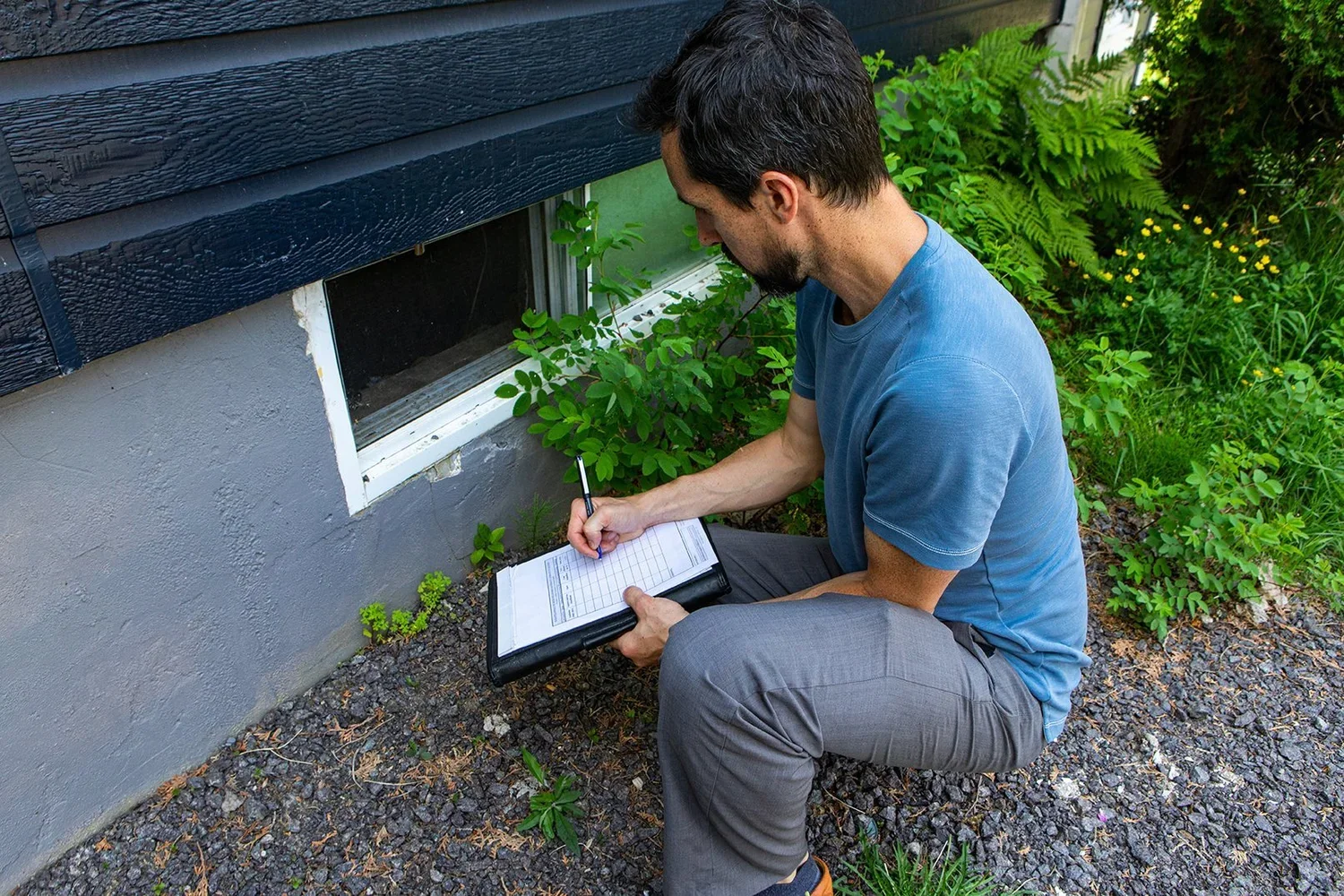
- 1A day or three of notice. Good inspectors usually book 1 to 3 days out, so expect a request soon after mutual acceptance.
- 2Clear the access. Inspectors don’t move belongings, so the attic hatch, crawlspace door, electrical panel, water heater and furnace need a clear path. Leave the utilities on and the pilot lights lit; anything shut off doesn’t get tested.
- 3Step out for the morning. Plan on 2 to 3 hours for a typical house, longer with a sewer scope or specialists. Sellers usually aren’t there; the buyer and their broker often come near the end for the walk-through.
- 4The home is left as it was found. Under Form 35, the buyer can’t alter the property without your permission, has to restore it, and is responsible for any damage from the inspection.
- 5The report goes to the buyer, usually by the next day, with photos and a summary of the most important items.
Form 35
After the inspection: how Form 35 works
Most Seattle sales use NWMLS Form 35, the inspection addendum. Unless the parties write in other numbers, it runs on these default clocks.
- 10days after mutual acceptance, the buyer gives notice. They approve the inspection, terminate (earnest money comes back), say they’ll do more inspections, or ask for repairs or changes to the deal. Silence means the contingency is waived.
- +5days for more inspections. If the buyer gives notice in time (with the inspector’s recommendation, if you ask for it), the period ends 5 days after that notice.
- 3days for the seller to respond to a repair request: agree, agree to some, reject all, or offer something different. Agreeing to everything settles it.
- 3days for the buyer to reply: accept your response, agree on something else, or terminate with earnest money back. These rounds don’t repeat, and doing nothing means the buyer waives.
- 3days before closing, agreed repairs are done at the seller’s expense, in a commercially reasonable way and following the law. The buyer can pay for a re-inspection by the inspector who flagged it.
- The report stays with the buyer unless you ask.Under the 2026 Form 35, a buyer doesn’t send the seller the report unless the seller asks in writing. A seller can ask for the whole report, only the parts behind a repair request, or the inspector’s recommendation for more inspections.
- Periods of 5 days or less skip weekends and holidays.Days start the day after the event and end at 9 p.m. Your contract’s numbers control.
- Lender repairs are a separate track.Some loans require repairs after the appraisal. See common lender-required repairs.
- Disclosures.Washington’s seller disclosure (Form 17) has its own update rule, and it carves out information that came from the buyer or the buyer’s inspector. If a sale falls through, what you learned can still matter to the next buyer; that’s a question for your attorney.
How to respond to a repair request, and when a credit beats a repair, is part of the plan I build with each seller. My clients will find it in the seller guide. The inspection is one of several contingencies; the financing contingency and earnest money posts cover 2 more.
Before you list
Should a seller get a pre-listing inspection?
A pre-listing inspection is the same licensed inspection, ordered by the seller before the home goes on the market. Many Seattle sellers share one with buyers. Whether it makes sense for your home is a judgment call I make with each seller. My pre-listing inspection post covers what Washington law requires, and my clients will find the rest in the seller guide.
Two habits that help
If you do order one, 2 habits help. First, finish projects (an unfinished outlet or a door off its hinges gets written up like any other item). Second, have the furnace, fireplace and water heater serviced so they’re in good shape when the inspector runs them.
Homeowners
A home inspection when you’re not selling
- A checkup.An inspection is a fast way to see an inherited, long-owned or newly bought home with fresh eyes. Any licensed inspector can do the same inspection for an owner.
- Before a builder warranty runs out.New homes get findings too. Book an inspection before the first-year warranty window closes: new construction warranties in Washington.
- Radon.The state Department of Health encourages every home to test; kits are cheap and simple, and fixes are usually not expensive.
- Before a remodel.Test suspect materials for asbestos, and for lead paint in a pre-1978 home, before anything gets sanded, cut or torn out.
- Earthquake readiness.An inspector or contractor can tell you whether an older house appears bolted to its foundation.
- Use the report as a list.Sort it: safety first, then anything letting water in, then maintenance. Getting firm numbers takes contractors; here’s why repair costs are hard to pin down.
Buyers
Buying a home? Start here
In Washington the home inspection is the buyer’s job. Do you still need your own if the seller already did one? My short answer hasn’t changed: yes. When to inspect, how to pick an inspector and what to do with the report are strategy. They live on my other site: Seattle home inspections: costs, timing and inspectors, and the inspection chapter of the buyer guide. My clients will find the offer side (pre-inspecting versus a contingency) in the offer chapter. Buying new? Yes, a new build still needs an inspection.
FAQ
Frequently asked questions about home inspections
What is a home inspection?
A licensed inspector’s visual, noninvasive examination of a home’s current condition. It covers the roof, exterior, structure, plumbing, electrical, heating and cooling, interior and the ground around the house, with a written report.
What do home inspectors look for?
Water getting in, structural problems, and roof and drainage issues. Plumbing and electrical safety, and how the heating and cooling run. Rot, pest-friendly conditions and missing safety items like smoke alarms, GFCI outlets and water heater straps.
What is not included in a home inspection?
Anything hidden or underground, remaining life and repair costs, and code compliance. Environmental tests (mold, asbestos, lead, radon), pools and hot tubs, detached buildings and condo common areas, unless you add them.
What is the biggest red flag in a home inspection?
Water getting in, signs of structural movement, a damaged sewer line, electrical hazards and a buried oil tank. Those tend to be expensive and to change decisions; most other findings are maintenance.
Can a house fail a home inspection?
No. A home inspection has no pass or fail. It’s a report of findings, and the buyer decides what to do with them.
How long does a home inspection take?
About 2 to 3 hours for a typical Seattle house. Larger or older homes, sewer scopes and specialists add time. The report usually arrives the next day.
Should the seller be home during the inspection?
Usually not. Clear access to the attic, crawlspace, panel and mechanicals, leave utilities on, take pets with you and plan to be out for a few hours.
Does the seller get a copy of the buyer’s inspection report?
Not automatically. Under the 2026 NWMLS Form 35, the buyer shares the report only if the seller asks in writing. The seller can ask for all of it or the parts behind a repair request.
Can a seller refuse to make repairs after an inspection?
Yes. Under Form 35 a seller can agree, agree to some, reject all or offer something else. If the seller doesn’t agree to everything, the buyer can accept, negotiate or terminate with earnest money back.
How much does a home inspection cost in Seattle?
Most general inspections run about $450 to $700, with a sewer scope about $200 to $400 more. Larger and complex homes cost more; full ranges are here.
Are home inspectors licensed in Washington?
Yes. Washington has required a license since 2009, and inspectors follow state standards of practice. You can check any license on the Department of Licensing lookup.
Does a condo inspection include the roof and building?
No. In a condo the inspector looks at your unit. Roofs, siding and shared systems are common elements covered by the association’s documents and reserve study.
The bottom line
A home inspection is a licensed, eyes-only look at how a house is doing today, not a grade and not a promise. For sellers, the inspection is mostly a matter of clear access and a quiet morning out; the negotiation afterward follows Form 35’s clocks. For owners, it’s one of the cheapest ways to know what your house needs next.
If you’re getting ready to sell and want a second set of eyes on what an inspector will see, send me a note. I’m glad to walk the house with you.
Sources
- RCW 18.280, Home Inspectors (definitions, license required since 2009, duties, structural pest referrals), Washington State Legislature
- WAC 308-408C, Home Inspector Standards of Practice, as amended effective August 7, 2026, Washington State Department of Licensing
- Form 35, Inspection Addendum, and Form 21, General Term l (Rev. 2/26), Northwest Multiple Listing Service, member forms
- RCW 64.06.040, Seller’s duty after delivery of the disclosure statement, Washington State Legislature
- Side Sewer Maintenance, Seattle Public Utilities
- Earthquake Home Retrofit Permit, Seattle Department of Construction and Inspections
- Real Estate Disclosures about Potential Lead Hazards, U.S. Environmental Protection Agency
- Protect Your Family from Exposures to Asbestos, U.S. Environmental Protection Agency
- Repairing Aluminum Wiring (Publication 516), U.S. Consumer Product Safety Commission
- Radon in Washington, Washington State Department of Health, 2022
- License lookup, Washington State Department of Licensing
- Seattle home inspections: typical costs and timing from my recent transactions, brianhuie.com