
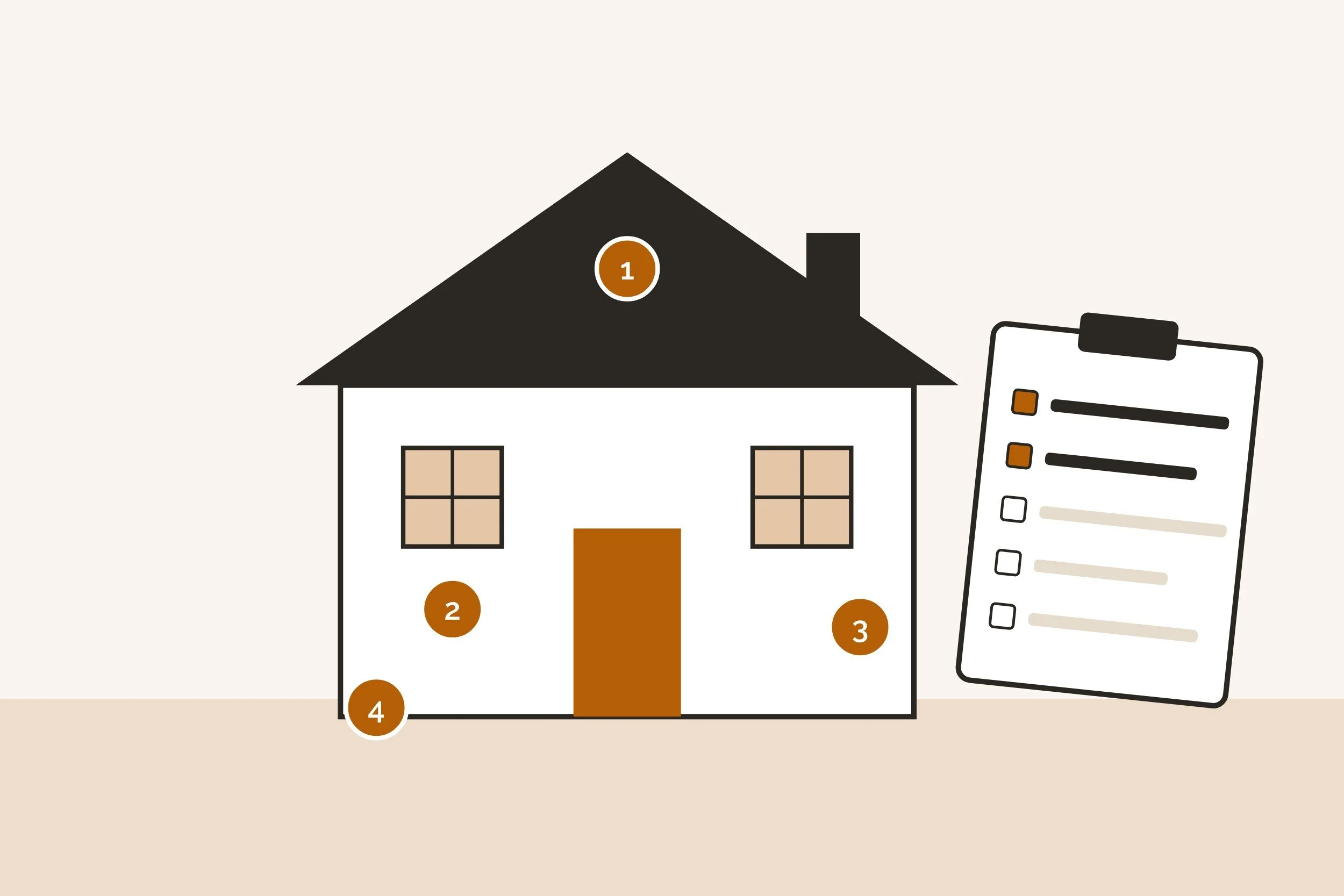
Short answer: you trade surprise for time.
Real answer: A pre-listing inspection is a regular home inspection that you, the seller, order before your home goes on the market. In Seattle it takes about 2 to 3 hours and usually costs $450 to $700, plus $200 to $400 for a sewer scope. Once you have one, Washington’s seller disclosure (Form 17) asks about it directly. So plan on the report traveling with your listing.
Pre-listing inspection planner
Your dates, your add-ons, your Form 17 answer
Pick your plan and your home, and set the day you’d like to list. Everything updates as you tap; nothing leaves this page.
Your plan
Typical cost
Before the inspector arrives
General information about how pre-listing inspections, Form 17 and the NWMLS forms work, not legal advice. Costs are typical Greater Seattle ranges from my recent transactions. Staging about 12 days before listing follows my own listing timeline; your plan may differ.
I’ve walked a lot of inspectors through a lot of crawlspaces, most of them for owners getting ready to sell. The planner above puts real dates on yours. The rest of this post covers how a pre-listing inspection works and what Washington law asks you to share. Then it covers what to do once the report lands.
Same thing, other names: seller inspection, seller-procured inspection, pre-sale inspection and, in agent shorthand, pre-inspection. Careful with that last one. Around Seattle, “pre-inspection” usually means a buyer inspecting before making an offer, which is a different thing: my home inspection guide covers it.
Three inspections
Pre-listing inspection, pre-inspection or inspection contingency?
All three use a licensed home inspector working to the same state standards. What changes is who hires the inspector, and when.
Your report doesn’t take away a buyer’s right to their own inspection. It means every buyer starts with more information. What a home inspection covers, system by system, is in what a home inspection is.
How it helps
Why Seattle owners inspect before they sell
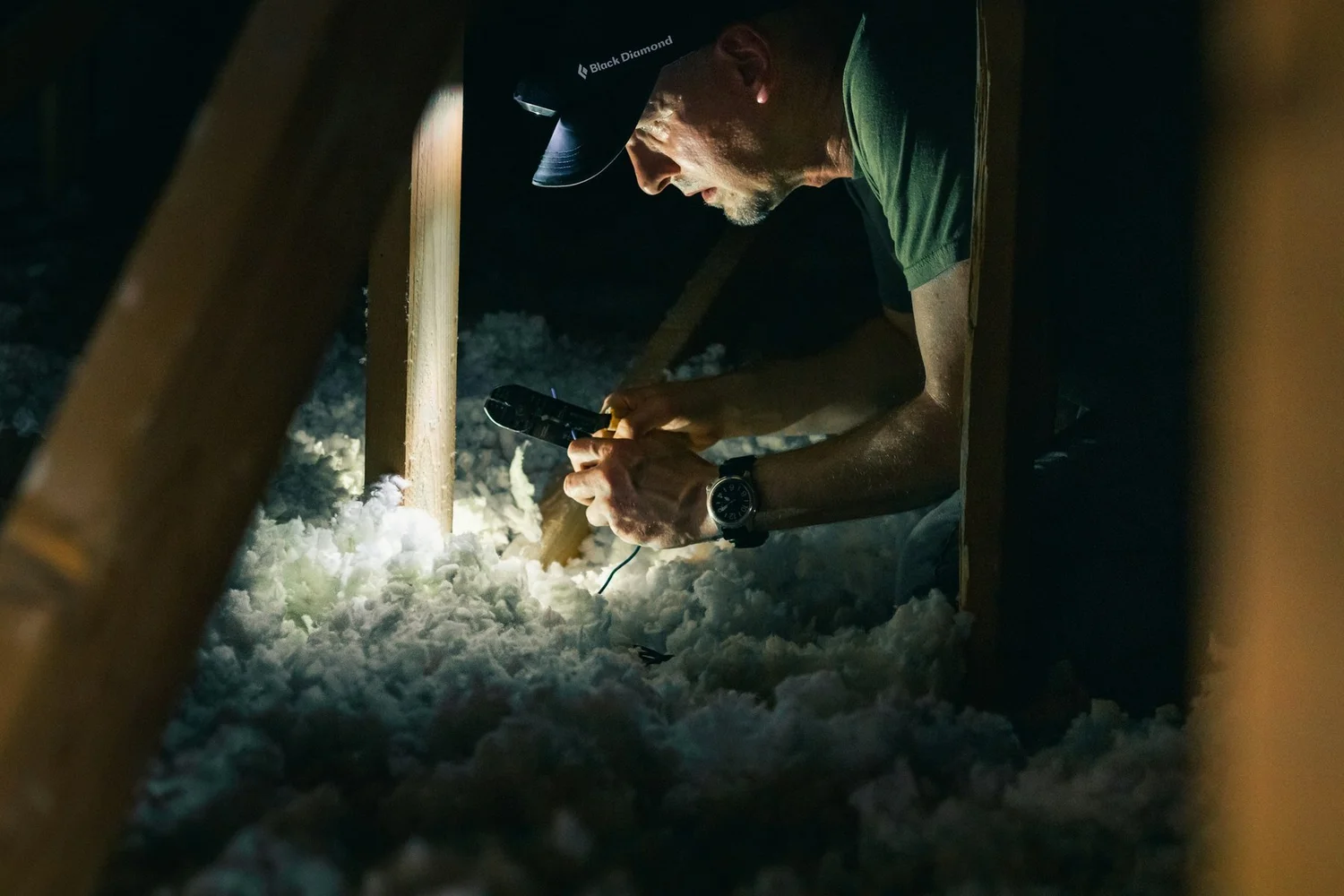
The short version: you trade surprise for time. A buyer’s inspection happens on a 10-day clock in the middle of a contract. Yours happens when you choose, with weeks to get bids, book trades and decide what to do about each item.
Inspect before you list
- You pick the inspector and the day
- Weeks to get bids and make repairs
- You list with the facts written down
- Receipts and notes sit next to the findings
Wait for the buyer’s inspector
- Their inspector, their schedule
- A 10-day clock once you’re under contract
- Repair requests arrive mid-deal
- You see their report only if you ask in writing
- What you learn, you share.Form 17 asks whether a whole-house inspection was done, and your answers are based on what you know. More on that below.
- A long report reads long.Unfinished painting, a missing outlet cover or a door off its hinges gets written up like anything else. Finish projects first.
- Buyers may still inspect.Many do. Your report starts the conversation; it doesn’t end it.
- It can protect you.Under RCW 64.06.050, a seller who relies on a licensed inspector’s report isn’t liable for errors in it they didn’t know about.
Is a pre-listing inspection right for your house? How does it fit your pricing and offer plan? That’s a call I make with each seller. My clients will find how I decide in the seller guide’s prep chapter.
Timing
When to schedule a pre-listing inspection
Timeframe 6 to 12 months before listing
My seller guide puts the pre-listing inspection and sewer scope 6 to 12 months before listing. That’s enough time to get bids, book contractors and pull permits where they’re needed. Then you finish repairs three to six months out, before the maintenance and cleaning push.
- 2+ yearsProjects you want to enjoy, with permits finaled. One folder for receipts and warranties.
- 1–2 yearsCounty record check. Close open permits. Dry-season exterior work.
- 6–12 monthsPre-listing inspection and sewer scope. Bids and contractors booked.
- 3–6 monthsRepairs finished. Sort, donate, book storage.
- 1–2 monthsMaintenance, repairs and cleaning.
- 2 weeksStage, photograph and print.
Listing sooner
Listing sooner than that? Inspect after the projects are done and before staging, which on my listing timeline lands about 12 days before the home goes live. Painters’ plastic and half-finished trim end up in the report. A week between the report and staging leaves room for quick fixes and bids.
From my files
Learn from my 2026 mistake. One set of sellers decided to move fast, and we launched before the inspection was done. Agents asked for the report all weekend. The report and the updated Form 17 belong in the listing on day one.
Cost
What a pre-listing inspection costs in Seattle
The seller orders it, so the seller usually pays. Some listing brokers include it in their marketing; ask yours. The ranges below come from my recent transactions around Seattle, and they match my inspections page.
Add a sewer scope
I recommend a sewer scope on every home that isn’t a condo. In Seattle you own your side sewer all the way to the public main, so a cracked or root-filled line is yours to fix. My side sewer guide has the details.
Disclosure
What Washington’s Form 17 says you have to share
Washington’s seller disclosure has a question written for exactly this. Item 4.G asks: “Was a structural pest or ‘whole house’ inspection done? If yes, when and by whom was the inspection completed?” It has an asterisk, and every asterisked yes means you explain and attach documents, if you have them and they aren’t publicly recorded.
*G. Was a structural pest or “whole house” inspection done?
If yes, when and by whom was the inspection completed?May 2026, pre-listing inspection by a WA-licensed home inspector, with sewer scope
*Explain, and attach documents if available and not publicly recorded:
- Answer yes, with when and who.Form 17 (Rev. 8/21), item 4.G. The question has no time limit.
- Attach the report.NWMLS’s own instructions for Form 17: if a document isn’t publicly recorded, the seller provides a copy, if available.
- Your other answers change too.Form 17 is answered on what you actually know. If the report found a leak or a defect you didn’t know about, it belongs in those answers unless it’s been fixed.
- Learned something after delivering Form 17?Under RCW 64.06.040 you amend it, and the buyer gets a new 3 business days to approve or rescind. Fixing the problem first can make the amendment unnecessary. Information from the buyer’s own inspector doesn’t trigger this.
- Your broker knows it too.Under RCW 18.86.030, a broker must disclose material facts they know that aren’t apparent to the other side.
- New and never lived in?Sellers of never-occupied new construction don’t have to complete Form 17’s structural and systems sections, 4.G included. Known material defects still have to be disclosed.
This is how the form works, not legal advice. If you’re unsure how to answer, ask a real estate attorney. Deadlines and the buyer’s 3-day window are in my Form 17 guide, along with a blank Form 17.
Homeowners
Already have an inspection report? It’s part of your home’s file
Form 17’s inspection question doesn’t stop at the one you order for the sale. The inspection you did when you bought, a checkup a few years later, a sewer scope before a repair: all of it counts. They’re part of your home’s paper trail. When I start prepping a listing, one of my first asks is for the reports from when my sellers bought the house.
An old report doesn’t have to be a problem. An old finding with a receipt and a permit next to it tells a buyer the house was looked after.
Keep one folder
Keep one folder, paper or digital, for inspection reports, permits, receipts, warranties and manuals. If you’re not selling for years, an inspection is still a smart checkup; here’s what one covers.
The day
Inspection day and the report
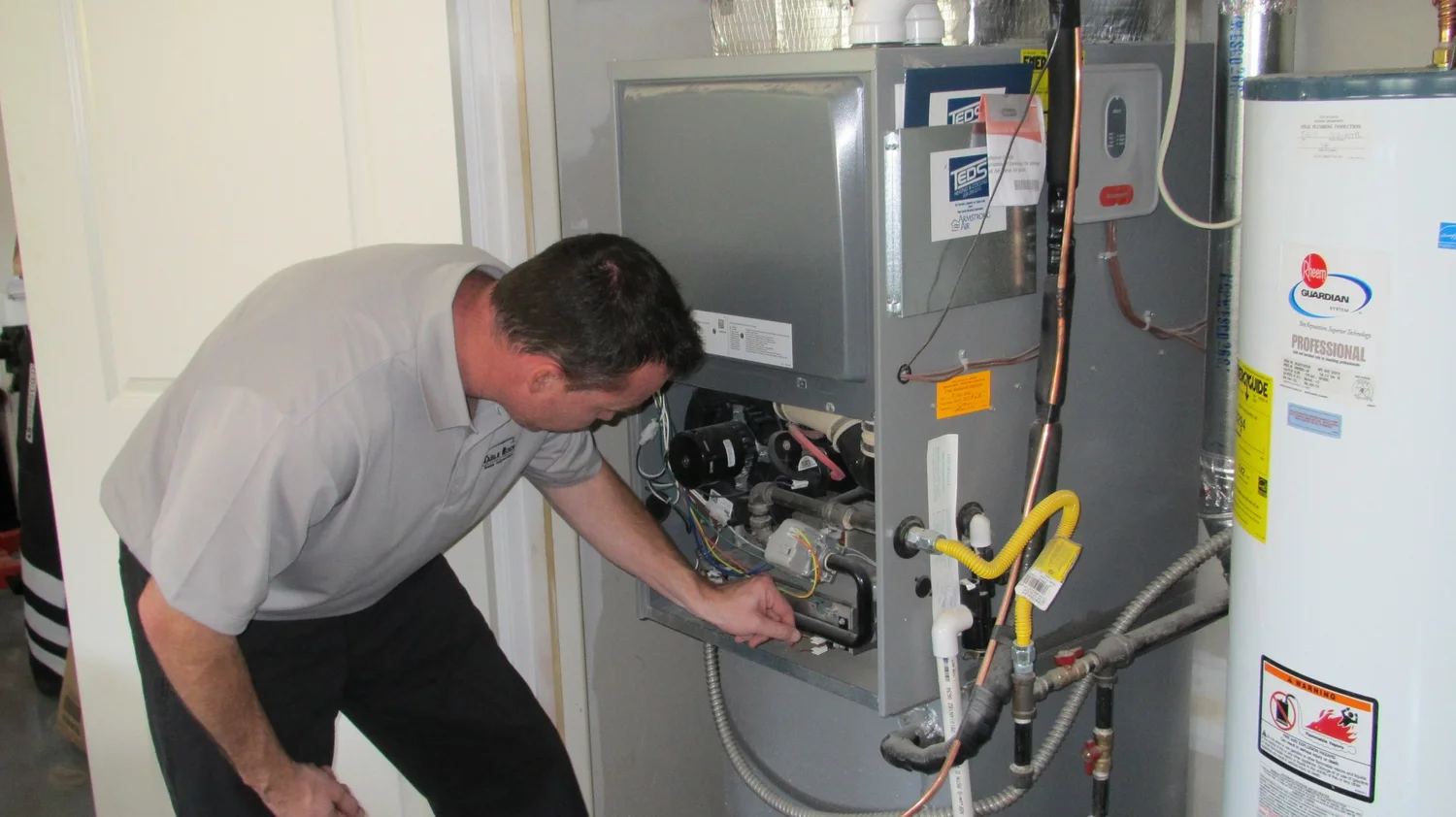
Timeframe 2 to 3 hours, longer with a sewer scope
Plan to be out for 2 to 3 hours, longer with a sewer scope. The inspector covers the roof, exterior, structure, attic, crawlspace, plumbing, electrical, heating and the interior, then flags anything that needs a specialist. I usually join for the last part, so the inspector can walk me through what matters.
The report usually arrives that night or the next day, with photos. The sewer scope comes as a video link. Inspectors don’t open walls or look underground, so a buried oil tank or a hidden leak needs its own check.
The report
After the report: fix it, bid it, or disclose it
Start by sorting: safety items first, then anything letting water in, then maintenance. Every finding then lands in one of three lanes, and each lane leaves a paper trail buyers can read.
Fixed
WhoA licensed contractor, with a permit when the work needs one
In the folderReceipt, permit, photos
On the reportA note: fixed, by whom, when
Bid
WhoA contractor’s written estimate
In the folderThe bid, with a date
On the reportA note: scheduled, or bid attached
As-is
WhoNo one, by choice
In the folderThe report itself
On the reportDisclosed on Form 17 where it applies
Start early
Contractors book out, so start early. In 2026, a pre-listing report on one of my listings flagged foundation cracks, and the repair crew was booking 5 to 10 days out. The cracks were dealt with before buyers inspected, with the work on paper.
Getting firm repair numbers is harder than it sounds; here’s why. Old work done without permits is its own topic: unpermitted work.
Which items are worth fixing before you list, and which to leave, depends on the house and the market. My clients get my item-by-item take in the seller guide.
Buyers
Buyers still get their own inspection
A seller’s report never replaces the buyer’s rights. A buyer can inspect before writing an offer, with your permission, or under an inspection contingency once you’re under contract. Under the 2026 Form 35, the buyer’s report isn’t sent to you unless you ask for it in writing.
Some buyers read the seller’s report and bring their own inspector anyway. Others lean on it. In 2026 a buyer on one of my listings relied on the seller’s report, sewer video and list of fixes. Their lender passed the same package to the insurance agent. Buyers: how to use a seller’s report in your own plan is in the buyer guide.
FAQ
Frequently asked questions about pre-listing inspections
What is a pre-listing inspection?
A home inspection the seller orders before listing, done by a licensed Washington home inspector to the same standards as a buyer’s inspection. The seller gets the report and usually shares it with buyers.
Is a pre-listing inspection worth it?
It trades surprise for time: you learn what a buyer’s inspector will likely find while you can still fix, bid or disclose it calmly. The cost is the fee and the fact that what you learn becomes part of your disclosure. Whether it fits your home is a call I make with each seller.
How much does a pre-listing inspection cost in Seattle?
Most general inspections run about $450 to $700, condos about $500 to $600, and larger houses $700 to $900 or more. A sewer scope adds about $200 to $400.
Who pays for a pre-listing inspection?
The seller orders it, so the seller usually pays. Some listing brokers include it as a marketing cost, so ask yours.
Do I have to disclose a pre-listing inspection in Washington?
Yes. Form 17, item 4.G, asks whether a whole-house inspection was done, and when and by whom. Asterisked yes answers get an explanation and the documents, if available.
Do I have to give buyers the report?
Form 17 asks you to attach documents you have that aren’t publicly recorded, and NWMLS’s instructions say the seller provides a copy if available. In my experience, most Seattle sellers share it when the home lists. Ask an attorney about your situation.
Can a buyer still do their own inspection?
Yes. A buyer can pre-inspect before an offer with your permission. Or they can inspect under a contingency after mutual acceptance (10 days by default under NWMLS Form 35).
What if the inspection finds something big?
Get a specialist’s opinion, then fix it with a licensed contractor and permits where needed, get a written bid, or disclose it as-is. Keep receipts and notes next to the report.
How far ahead should I schedule it?
My seller guide puts it 6 to 12 months before listing so repairs have time. If you’re listing sooner, inspect after projects are finished and before staging, about two to three weeks out.
Should I get a sewer scope before selling?
For a house or townhome, yes. In Seattle the owner owns the side sewer to the public main, and repairs can be expensive. Condos usually share the building’s lines.
Do condos need a pre-listing inspection?
A condo inspection covers your unit only. Roofs, siding and shared systems are common elements, covered by the association’s documents and the resale certificate.
What’s the difference between a pre-listing inspection and a pre-inspection?
The seller orders a pre-listing inspection before listing. Around Seattle, a pre-inspection usually means a buyer inspecting after the home lists, before making an offer.
The bottom line
A pre-listing inspection is the same licensed inspection a buyer would order, on your schedule instead of theirs. It gives you time to fix, bid or explain what it finds, and Washington’s Form 17 makes it part of the record buyers see.
If you’re thinking about selling in the next year, start with the folder: old reports, permits and receipts. Then send me a note; I’m glad to walk the house with you before any inspector does.
Sources
- RCW 64.06.020, Seller disclosure statement for improved residential property (item 4.G), Washington State Legislature
- Form 17, Seller Disclosure Statement (Rev. 8/21), Northwest Multiple Listing Service
- Form 17 general comments: filling in the form, attachments, amendments, Northwest Multiple Listing Service
- RCW 64.06.040, Amending the disclosure statement, Washington State Legislature
- RCW 64.06.050, Liability for errors in the disclosure statement, Washington State Legislature
- RCW 18.86.030, Duties of a real estate broker, Washington State Legislature
- WAC 308-408C-030, Home inspector exclusions and limitations (amended effective August 7, 2026), Washington State Department of Licensing
- Form 35, Inspection Addendum, and Form 35C, Seller Request: Inspection Report (Rev. 2/26), Northwest Multiple Listing Service, member forms
- Side Sewer Maintenance, Seattle Public Utilities
- Real Estate Disclosures about Potential Lead Hazards, U.S. Environmental Protection Agency
- Repairing Aluminum Wiring (Publication 516), U.S. Consumer Product Safety Commission
- Seattle home inspections: costs and timing from my recent transactions, brianhuie.com
- Seller guide: the prep timeline, brianhuie.com