
Short answer: Yes. Always yes.
Real answer: A new construction home in Seattle needs its own inspection. The best plan is three visits: before the drywall, before closing and in month 11. City inspectors check code minimums. Your inspector works for you and checks how the home was actually built.
New construction inspection planner
Which inspections does your new build need, and when?
Pick where you are, the type of home and what the builder allows. Add a closing date for your dates and warranty clocks. An example is loaded. Nothing you enter leaves this page.
Your checklist
Costs: Seattle quotes for a general inspection and sewer scope, my clients’ 2025 and 2026 invoices for blue tape and 11-month visits, and national guides for pre-drywall (Seattle runs higher). Clocks follow the common 1-2-10 builder warranty and Washington’s claim limits (RCW 4.16.310, RCW 64.90.680). Your contract and warranty booklet set the real terms. General information, not legal advice.
New does not mean perfect. It means recent. I’ve walked buyers through a lot of new townhomes and houses, and the inspection question comes up every time. The planner above sorts out your visits. The rest of this post is how each one works.
Same thing, other names: a new build inspection, new home inspection or new construction home inspection. The stages are often called phase inspections: pre-pour, pre-drywall (pre-cover), final and the 11-month warranty inspection. The builder’s own visit is the walkthrough, orientation, punch list or blue tape walk.
The basics
Do you need an inspection on a new build in Seattle?
Three different jobs
Three people look at a new home before you move in. Each one has a different job.
The city inspector checks that the work meets code and matches the permit. The builder’s team walks the home to finish it and hand it over.
Your inspector works for you. They check how the home was built and how it works, and they write it down.
A new home still has hundreds of parts put together by many crews in a few months. Mistakes are normal. Finding them while the builder still has the crew on site is the point.
City inspections
What the city inspector checks, and what it doesn’t
How Seattle inspects a new house
Seattle’s inspectors visit at set stages. For a new house, that’s the foundation, framing, insulation and a final.
Each trade has its own permit and inspections too: electrical, plumbing, mechanical and the side sewer.
- Stage 1FoundationFootings and setbacks, before concrete.
- Stage 2Framing and coverFraming plus trade rough-ins, before insulation.
- Stage 3InsulationBefore interior drywall.
- Stage 4FinalAfter all related permits pass. No certificate for a house.
The city does a lot of these. Seattle’s auditor counted 23,155 final building inspections from January 2023 to June 2025.
What a city inspection is not
A city inspection checks code minimums at one moment. It doesn’t judge workmanship, finish quality or whether the home works as a whole.
Seattle also doesn’t issue a certificate of occupancy for a single-family home or duplex. The final inspection is the sign-off.
One number worth asking for
Washington’s energy code sets a limit on air leaks in a new home: 4.0 air changes per hour on a blower door test.
Ask the builder for the test result. A home that barely passed tells you something about the air sealing.
Timing
When to inspect: pre-drywall, final and month 11
Pre-drywall: the one you can’t redo
Timeframe A few days, after rough-ins and before insulation
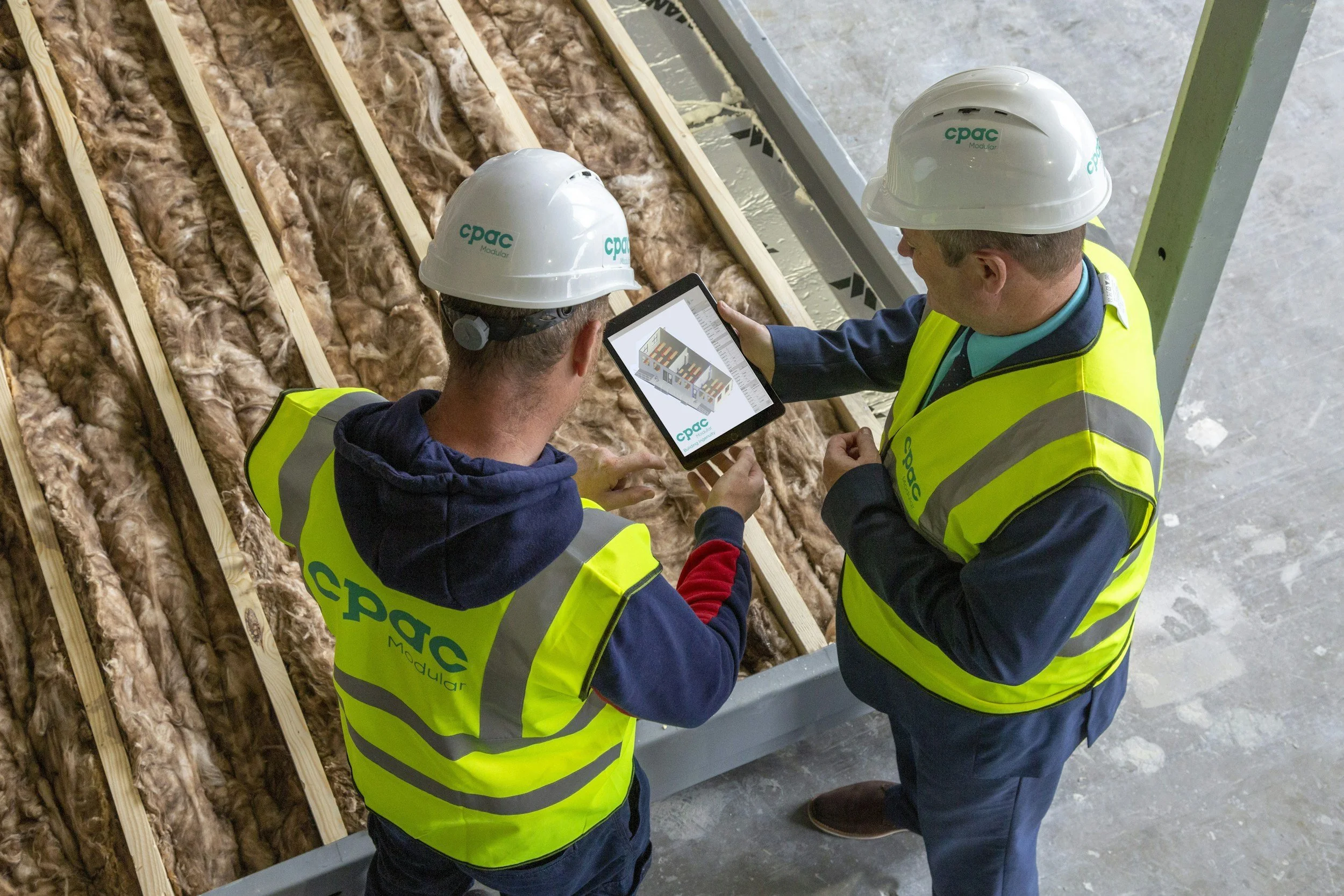
This is the visit after framing and the rough-in of wiring, pipes and ducts, before insulation and drywall.
Your inspector sees the straps, the nailing, the window flashing and every pipe and wire. Once drywall goes up, nobody sees them again without cutting.
The window can be a few days. Ask the site lead when insulation goes in, and book early.
Final: before you close
Timeframe About 2 weeks before closing
This is the full inspection, once the home is finished. It looks a lot like any other home inspection.
Plan it about two weeks before closing. Builders need time to fix things, and they often don’t answer on weekends.
Bring your inspector to the builder walkthrough too, the blue tape walk. More on that in my final walkthrough post.
Month 11: before year one ends
Timeframe Month 10 or 11 after closing
The 11-month inspection happens after you move in, before year-one coverage ends. My new construction warranty post covers it in full.
Findings
What inspectors find on new Seattle homes
Real finds from my clients’ new homes
These came from new homes my clients bought or toured from 2023 to 2026: blue tape walks, 11-month inspections and showings.
Most were quick fixes for the builder. A few would have been costly later.
None of these are rare. They happen on good builders’ homes too.
Why water comes first
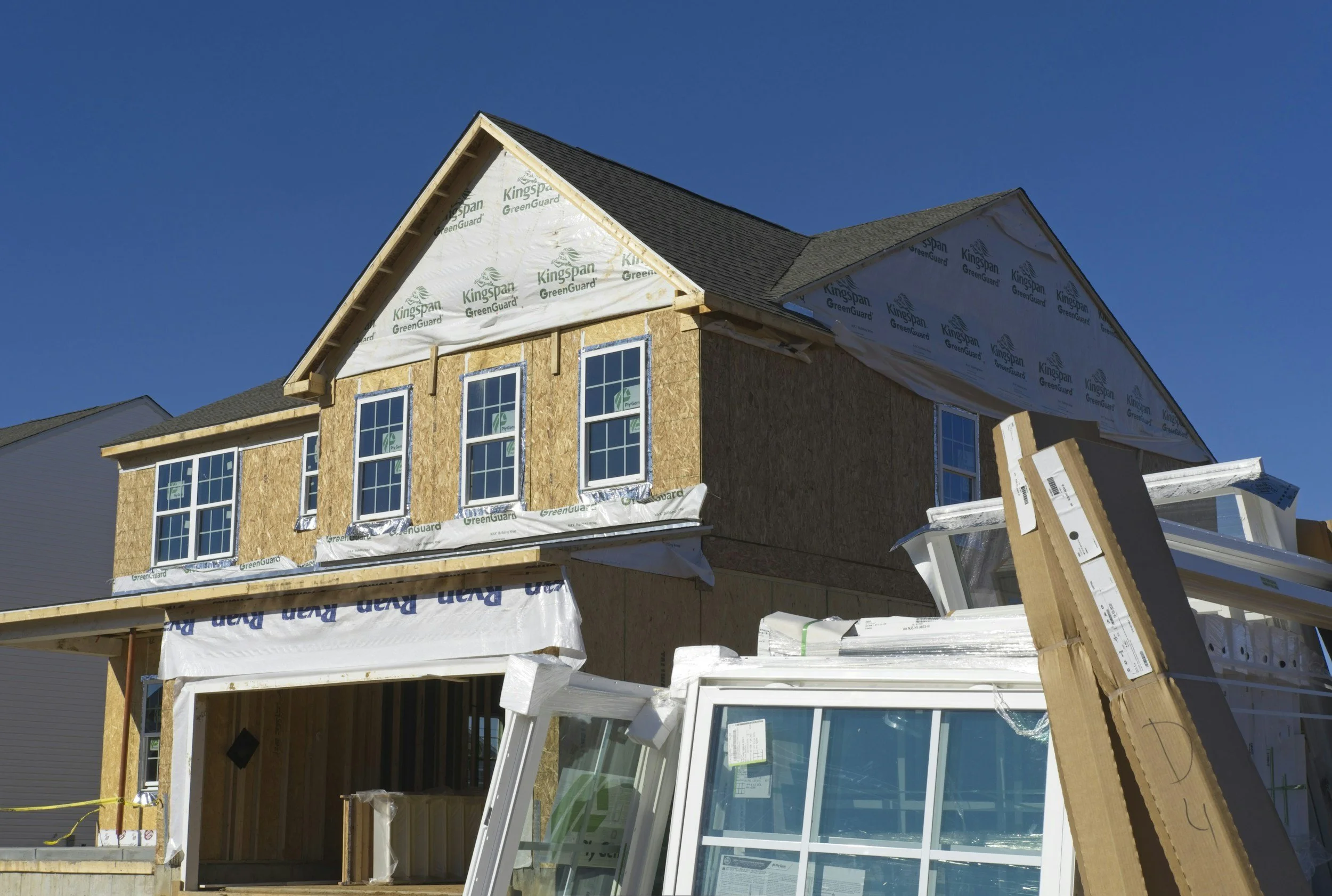
In Seattle, water is the defect that grows. A flashing gap or a soil slope toward the house looks small in October.
By spring it can mean rot or mold inside a wall. That’s why I read the drainage and roof notes first.
Contracts
When the builder limits your inspection
What a builder addendum can say
Many new homes sell on the builder’s own contract, not the standard NWMLS forms. The inspection rules live in that contract or an addendum.
Some set the dates for you. Some require your inspector to sign their form, or carry builder-level insurance. Some allow one visit only.
Read the clause before you sign. A rule you find after mutual acceptance is a rule you live with.
Builder inspection addendum (illustrative example)
What I watch for
I check four things: when the visits can happen, who can attend, what your inspector must carry, and whether the seller gets the report.
On a standard NWMLS deal, Form 35 sets the inspection terms. A builder addendum can replace them.
How to push back on a builder is strategy, and that lives in my buyer’s guide.
One client’s builder asked our inspector for builder-level insurance and a signed inspector addendum. The inspector told me only a couple of builders ask for that. Read the clause early, so there’s time to line up an inspector who qualifies.
Disclosure
Form 17 on a new build: the part you won’t get
What the law lets a builder skip
Washington’s seller disclosure law has a carve-out. For new construction that has never been occupied, the seller doesn’t have to answer Item 4, Structural, or Item 5, Systems and Fixtures.
Those are the roof, basement, drainage, plumbing, electrical and heating questions. On a resale, they’re the heart of Form 17.
Form 17, seller disclosure: never-occupied new construction
- 1Title
- 2Water
- 3Sewer and septic
- 4
StructuralBuilder may leave blank - 5
Systems and fixturesBuilder may leave blank - 6HOA and common interests
- 7Environmental
- 8Lead-based paint
- 9Manufactured homes
- 10Full disclosure
What fills the gap
Your inspection fills that gap. So do the permit record, the plans and the builder’s warranty booklet.
On NWMLS forms, the insulation type, thickness and R-value go in Form 22D for new construction. Federal rules require them.
Cost
What a new construction inspection costs in Seattle
Each visit, priced
Here’s what each visit runs in the Seattle area. Bigger and more complex homes cost more.
Most inspectors sell a package of visits. Ask what’s included before you compare prices.
Verbal or written
For the blue tape walk, my clients’ inspector offered a verbal walk-and-talk for $325 or a written report for $375.
I like the written report.
After closing
Already moved in? For owners and future sellers
Owners in year one
Keep a running list from day one. Photos with dates help.
Book the 11-month inspection before year one ends, then send one written list. My monthly maintenance checklist keeps the habits going after that.
Selling a nearly new home
Buyers of a nearly new home will inspect it too. Your inspection reports and the builder’s fixes help that buyer trust the house.
Ask your builder whether the warranty transfers to the next owner. My warranty post covers how transfers work.
FAQ
Frequently asked questions about new construction inspections
Is the city inspection enough on a new build?
No. It checks code minimums at set stages. Your inspector checks workmanship and how the finished home works, and writes it down for you.
What is a pre-drywall inspection?
A visit after framing and rough-ins, before insulation and drywall. It’s the only time your inspector can see inside the walls.
How much is a pre-drywall inspection?
National guides put it at $200 to $400, about $300 on average. Seattle quotes tend to run higher.
How long does a new construction inspection take?
A full final inspection takes about two to three hours. A blue tape walk with an inspector takes about 30 to 45 minutes.
What is a blue tape walkthrough?
The buyer’s walk before closing. You mark every miss with blue tape, and the builder fixes the list. You can bring your inspector.
Can a builder refuse a home inspection?
A builder can limit or refuse one in its own contract. Read the inspection clause before you sign. If it says no, inspect right after closing.
Does a new build need a sewer scope?
I’d get one on a house or townhome. A new side sewer can still hold construction debris or a bad joint. Condo lines usually belong to the association.
Do new homes in Seattle get a certificate of occupancy?
Not a single-family home or duplex. Seattle’s final inspection is the sign-off. Larger buildings get a certificate after final approval.
Does the builder get my inspection report?
Only if your contract says so. Builder addenda often set this, so check before your inspector’s visit.
Are home inspectors licensed in Washington?
Yes. Washington licenses home inspectors under RCW 18.280. Ask for new construction experience too.
What if I find a defect after closing?
Send it to the builder in writing under your warranty. Washington’s defect law sets notice steps before any lawsuit, and the builder must tell you about them (RCW 64.50.050).
The bottom line
Inspect a new build three times if you can: before drywall, before closing and in month 11. Read the builder’s inspection clause before you sign.
New doesn’t mean perfect. It means recent. A few hundred dollars now is how your new house actually feels like be home from day one.
Want help timing inspections, reading a report or answering a builder? My buyer’s guide covers what to check before you offer. For what any inspection covers, see what a home inspection is.
Sources
- Seattle Department of Construction and Inspections, Construction Inspections, framing, insulation and final inspection stages; certificate of occupancy rules
- SDCI, Residential Inspection Quick Sheets, cover inspections before insulating or covering
- Seattle Office of City Auditor, Audit of the Process for Final Inspections of Buildings (Dec 23, 2025), 23,155 final building inspections; no certificate for single-family homes
- WAC 51-11R-40240, Washington State Energy Code, residential, 4.0 air changes per hour maximum, blower door test
- RCW 64.06.020, Form 17 Items 4 and 5 not required for never-occupied new construction
- NWMLS Forms Rev. 2/26 (sample packet), Form 35 inspection addendum; Form 22D new construction insulation clause
- RCW 64.50.050, builder’s notice of the right to offer to cure defects
- RCW 4.16.310, claims accrue within 6 years of substantial completion
- RCW 64.90.680, 4-year limit on condo warranty claims
- RCW 18.280, home inspector licensing
- Angi, Pre-Drywall Inspection Cost (2025 data), $200 to $400, about $300 on average
- My clients’ inspection invoices, Seattle area, October 2025 and October 21, 2026, blue tape walk $325 verbal or $375 written; 11-month $350 to $375