

Short answer: Hundreds for the small stuff, tens of thousands for the big stuff. Get three bids.
Real answer: Most common home repairs in Seattle run from a few hundred dollars to about $20,000. A roof sits at the top, a handyman visit at the bottom. Seattle jobs cost more than the national cost guides show, typically by about 27%. Three written bids turn a range into your number.
Seattle repair cost estimator
What your repairs could cost in Seattle, and who to call
Pick the repairs, then your home and timing. You get a Seattle range for each job, the permits, the trades and a checklist. Nothing you enter leaves this page.
Your checklist
A planning aid, not a bid. National ranges: Fixr (2025–2026) and HomeAdvisor. Seattle scaling: Cost vs. Value 2025, Seattle vs national job costs (roofing 1.41, HVAC 1.34, decks 1.11, all other jobs 1.27, the median of 28 projects). Ranges assume a typical home of about 1,700 to 2,500 square feet. Permits: Seattle SDCI and Seattle Public Utilities; other cities differ. Get written bids for your home.
Over the years I’ve built relationships with contractors who show up, communicate clearly and do solid work. My clients get faster scheduling and honest talk about what matters now versus later. In Seattle, reliability is currency.
Same thing, other names: home repair estimate, repair bid, contractor quote, home repair cost estimator. Contractors use estimate, bid and quote loosely, so ask whether the number is firm.
Seattle prices
What common home repairs cost in Seattle
Roofs and paint
Here are the repairs I see most, in Seattle dollars. A roof replacement tops the list at about $10,600 to $19,750. The bids I saw in April 2026 for a Seattle house plus a flat garage roof ran $18,000 to $24,000. My take: the high end of average.
Paint
Exterior paint runs about $7,950 to $14,750 for a typical house. Inspectors often suggest a repaint at least every 10 years.
Water heaters, furnaces and panels
Inside, a water heater runs about $1,150 to $3,800, a furnace $3,750 to $10,050, and a 200-amp panel $2,300 to $5,700. Electricians are the most expensive trade besides HVAC.
Sewers and foundations
Below ground, a side sewer repair runs about $1,750 to $6,750, plus a $280 city permit. Sealing a foundation crack is a few hundred dollars. Structural foundation work is thousands, and it starts with an engineer.
Local math
Why Seattle prices run above the national cost guides
Seattle vs the national guides
Cost guides quote national averages, and Seattle isn’t average. Cost vs. Value 2025 priced 28 remodeling projects here and nationally (Cost vs. Value). Seattle came in higher on every one.
How the estimator scales
The middle project ran 27% higher. Roofing ran 41% higher, HVAC 34%, and a wood deck 11%. So I scale each national range by the Seattle ratio for that kind of job. That’s the math in the estimator above.
A planning number
It’s a planning number, not a bid. Access, height, age and what’s hiding behind the wall move real prices more than any ratio.
Who to call
Who to call: handymen, small crews and big firms
Handymen
A handyman covers the small stuff. Most charge $50 to $100 an hour with a minimum, often $130 (Fixr). One small job alone can carry a $200 trip charge, so batch them.
Bidder
Handyman
- Small fixes, one visit
- Hourly with a minimum
- Bring the parts yourself
Bidder
Small crew or specialist
- The people doing the work
- Slower to schedule
- Often better pricing
Bidder
Big firm or general contractor
- Estimator first, crew later
- Fast numbers, higher prices
- GC premium about 20%–30%
Small crews and specialists
Small crews and solo tradespeople are the people who actually do the work. They’re slower to schedule and often price more thoughtfully. They’re also the least interested in unpaid walk-throughs.
Big firms
Big firms send an estimator, not the person swinging the hammer. You’ll get fast availability and a quick number, with pricing built to absorb overhead and uncertainty.
General contractors
A general contractor runs the subcontractors for you. Expect a premium of about 20% to 30% for one point of contact. It’s worth it when three or more trades share one project.
Bids
How to get real bids in Seattle
Write it down, then three bids
Write the job down first, with photos. Then get at least three written bids on the same scope (Washington L&I). Same materials, same removal, same permits, or you’re comparing apples to excuses.
- Step 1Write it downWhat, where, since when, photos
- Step 2Three bidsSame scope on each
- Step 3Check L&IRegistration, bond, insurance
- Step 4Compare findingsAsk about the others’ notes
- Step 5Get it in writingDisclosure at $1,000+
Check the contractor
Check every bidder on L&I’s Verify a Contractor. A registered general contractor carries a $30,000 bond, a specialty contractor $15,000 (RCW 18.27.040). On a home job of $1,000 or more, the contractor must hand you a disclosure statement before work starts (RCW 18.27.114).
Compare what they found
Then ask each bidder about what the others found. Trades see the same problem differently, with different skills and tools.
In August 2026 a client’s plumber found two sagging sections in an old drain line. The fix meant saw-cutting three floors. A second company wanted one dig, and wasn’t nearly as worried. Second opinions pay for themselves.
Rules
Which repairs need a permit in Seattle
The $6,000 rule
Seattle skips the permit for minor repairs of $6,000 or less in any six months. Labor counts at fair market value, even your own. Work on load-bearing supports or the building envelope needs one at any price (SDCI).
Roofs
A re-roof on a house or townhouse needs no permit if the envelope doesn’t change. Exposed roof cavities still get insulated to current code (SDCI re-roof).
Side sewers
The side sewer is yours, all the way to the public main. Any repair needs a Seattle Public Utilities permit: $280 for a sanitary repair (SPU).
Electrical, heat and water heaters
Panels and wiring take an electrical permit (SDCI). A new furnace takes a mechanical permit (SDCI). Water heaters are plumbing, permitted by Public Health – Seattle & King County. Work done without permits tends to surface at sale time; here’s how that plays out.
Priorities
What to fix first: structure, then water
Structure first
Anything structural, and anything that protects the home, is a good investment. If I’m spending on repairs anyway, I like to use the moment to improve the house, not just patch it.
Then water
Water is a home’s worst enemy, especially in walls. Roofs, gutters, drainage, siding and paint keep it out, and they protect every dollar you spend inside.
Maintenance rhythm
Some rhythms I share with owners: paint about every 5 years on LP siding, every 5 to 10 on fiber cement. Clean the roof and gutters every 2 to 3 years, or every year if trees hang over the roof.
Timing
When to book: Seattle’s busy season
Timeframe Peak season: late spring through summer
Peak season
Late spring and summer are peak season. It’s the highest-volume time of year in my world too, and some budget crews simply stop answering the phone. Call early and keep a second name ready.
Weather
Outside work races the weather. Paint and roofs wait on dry days, so a fall paint job has to start while the weather still cooperates. Inside work, like panels and water heaters, doesn’t care about the forecast.
Sellers
Repairs when you’re selling
Form 17
Your seller disclosure, Form 17, asks what you know about the house. Fixed items still count, so keep receipts and permits in one folder. How the form works is in my Form 17 guide.
Before you list
- Fix water and structure first
- Keep receipts and permits together
- Answer Form 17 with what you know
If a buyer asks for repairs
- You have 3 days to respond (default)
- Agreed repairs finish 3+ days before closing
- Hire registered, permitted trades
Agreed repairs
If a buyer asks for repairs and you agree, they get done in a commercially reasonable manner. The standard NWMLS inspection addendum has them finished at least 3 days before closing (Form 35).
Fix, credit or leave it
Whether to fix, credit or leave an item is a pricing call for your listing, and I keep that playbook in my seller guide (clients). Prep before you list is on getting a house ready to sell.
Buyers
Why repair estimates are rough before you own the home
Timeframe 10 days by default to inspect and gather bids (Form 35)
The moment of pause
You love the house. You tolerate the layout. But the roof, the wiring or the kitchen screams future project. The question is simple and stressful: what will this cost before I make an offer?
Why contractors pass
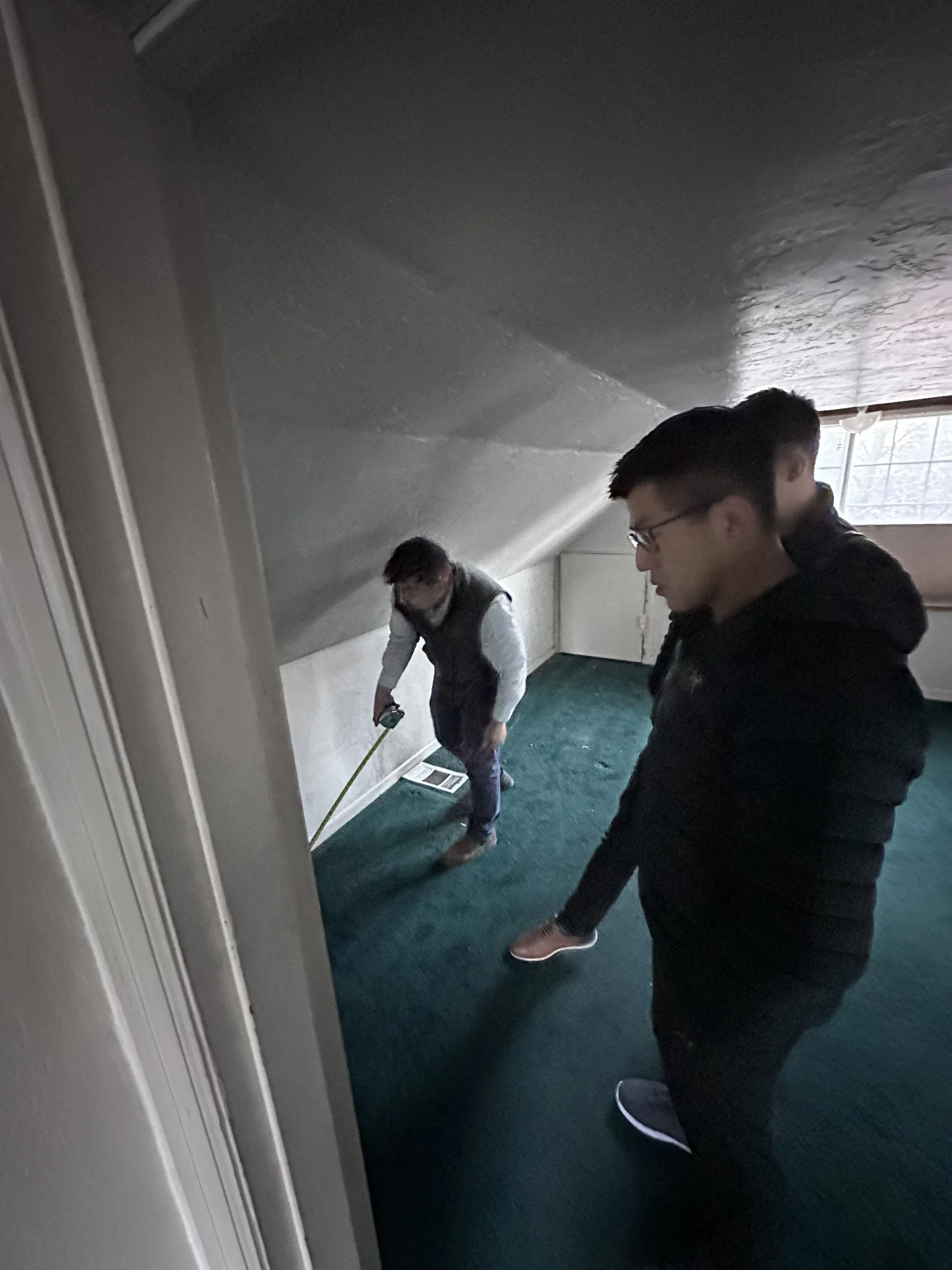
Most contractors avoid bidding homes you don’t own, and it makes sense. They can’t open walls or look at what’s hidden. Unpaid estimates rank last when they’re busy, and traffic and parking add time before the job exists.
Your inspection window
So the numbers you get are ranges. The inspection period is your window: 10 days by default from mutual acceptance (Form 35). Contractor bids can go with a repair request on Form 35R, and the seller has 3 days to respond.
- Day 0
Mutual acceptance - Days 1–10
Inspection and bids - +3 days
Seller responds - +3 days
Buyer replies
Next steps
How I handle inspections and repair bids for buyers is in my buyer guide (clients). What the inspection itself covers is in my home inspection guide.
FAQ
Frequently asked questions about home repair costs
How much do home repairs cost in Seattle?
Most common repairs run from a few hundred dollars to about $20,000. A roof replacement is about $10,600 to $19,750 here; a water heater about $1,150 to $3,800.
How do I estimate repair costs on a house?
Start with a national cost-guide range, scale it for Seattle (about 1.27 times for most jobs), then get three written bids on the same scope. The estimator above does the first two steps.
Is it normal to pay a contractor for an estimate?
Many bid for free. Diagnostic visits often cost money: a sewer camera inspection runs about $100 to $500 nationally. Handymen usually charge a minimum, often $130.
How long should I wait for a contractor’s estimate?
In peak season, longer than you’d like. If a week goes by with no answer, call the next name. Busy crews are a sign of good work, not a reason to wait forever.
What should a contractor’s estimate include?
Scope, materials, removal, permits, timeline and the contractor’s registration number. On jobs of $1,000 or more, Washington requires a disclosure statement before work starts.
Can I get repair estimates before I buy a house?
Yes, during the inspection period, but they’re rough. Contractors can’t open walls on a house you don’t own, so expect ranges, not firm quotes.
Who pays for repairs after a home inspection in Washington?
It’s negotiated. The buyer can ask for repairs or changes on Form 35R; the seller has 3 days by default to agree, counter or decline.
Do I need a permit for home repairs in Seattle?
Not for minor repairs of $6,000 or less in six months. Load-bearing work, the envelope, side sewers, electrical, furnaces and water heaters do need permits.
Who owns the sewer line between my house and the street in Seattle?
You do. Seattle Public Utilities says the whole side sewer, all the way to the public main, belongs to the property owner.
Is a handyman cheaper than a contractor?
For small jobs, usually. For anything structural, electrical or with a permit, hire the licensed trade. Check anyone on L&I’s Verify a Contractor first.
The bottom line
Use ranges to plan and three written bids to decide. Fix structure and water first, batch the small stuff, and book early in summer. Repair estimates on a home you don’t own yet are rough by nature. The goal is simple: be home, informed and ahead of the curve.
Next: what a home inspection covers, when work needs a permit and getting a house ready to sell.
Sources
- Cost vs. Value 2025, Seattle, WA, Seattle vs national job costs for 28 projects
- Fixr, roof replacement (February 4, 2026), national range
- Fixr, exterior house painting (January 31, 2025), national range
- Fixr, gutter installation (January 31, 2025), national range
- Fixr, water heater installation (January 27, 2026), national range
- Fixr, furnace (January 28, 2026), national range
- Fixr, electrical panel upgrade (January 31, 2025), 200-amp range
- Fixr, foundation repair (January 27, 2026), repair and crack sealing ranges
- Fixr, French drain (January 31, 2025), national range
- Fixr, deck repair (January 31, 2025), national range
- Fixr, handyman (January 30, 2025), hourly rates and minimums
- HomeAdvisor, sewer line repair, national range, camera inspection
- HomeAdvisor, dry rot repair, national range
- Seattle SDCI, Do You Need a Permit?, $6,000 rule, load-bearing work, painting
- Seattle SDCI, Re-Roof Permit, houses and townhouses
- Seattle SDCI, Electrical Permit, when a permit is needed
- Seattle SDCI, Mechanical Permit, heating equipment
- Seattle Public Utilities, Side Sewer Permits, ownership, fees
- Washington L&I, Hiring a contractor, three written bids, verify a contractor
- RCW 18.27.040, contractor bonds
- RCW 18.27.114, disclosure statement at $1,000
- EPA Renovation, Repair and Painting program, lead-safe certification
- NWMLS Form 35, Inspection Addendum (Rev. 2/26), inspection, response and repair deadlines
- Brian Huie’s client emails, April to August 2026, Seattle bids, trip charges, GC premium, maintenance rhythm