
Short answer: Seal it first, then switch it.
Real answer: In a Seattle home, heat is most of the bill. Start with the cheap fixes: a smart thermostat, sealed leaks, LEDs and good shades. Then insulate the attic. Replace the water heater and the furnace with heat pumps when they wear out, and let City Light or PSE pay part of it.
Seattle energy bill planner
Where should your house start?
Pick your home, your utility and what heats it. You get your first five moves in order, the rebate that fits each one, and what a unit of heat costs on your system. Nothing you enter leaves this page.
Cost of one therm of heat, on your utility
Your next moves, in order
Your checklist
A plain-language guide, not an energy audit. Heat costs use PSE and City Light rates in effect Oct. 1, 2026 (City Light’s Seattle rate); oil prices vary too much to chart. Rebates are standard amounts listed in November 2026; income-qualified programs pay more, and programs change, so confirm before you buy. Sources: Seattle City Light, PSE, ENERGY STAR, U.S. Department of Energy.
You don’t have to live like a monk in a drafty cabin to pay less. I’ve ordered this from the easiest wins to the big upgrades, for Seattle-area houses, our weather and our two utilities.
Same thing, other names: energy efficiency, lowering your electric bill, cutting heating costs, weatherization, home energy upgrades, an energy audit.
The bill
Where the money goes in a Seattle home
Heat is the big number
ENERGY STAR says almost half of a typical household’s energy bill goes to heating and cooling. In Seattle that’s mostly heating; our summers are short.
The water heater comes next. Lights, the dryer and everything plugged in split the rest. So the biggest savings live in the shell of the house and in the heat.
- 1Attic. the biggest leak in most older houses; seal, then insulate
- 2Windows. shades and inserts before new glass
- 3Doors and gaps. weatherstrip, sweeps, caulk and foam
- 4Crawlspace floor. insulation between the joists
- 5Heat. about half the bill goes to heating and cooling
- 6Water heater. the next-biggest energy user
- 7Lights and plugs. LEDs and the rest of the bill
Two utilities, two price tags
Most of Seattle buys electricity from Seattle City Light. Its Seattle residential rate is a flat 13.38 cents per kWh. Many neighbors heat with PSE natural gas.
Outside the city, PSE often sells both gas and electricity. PSE’s electric rate runs higher, so electric heat costs more on a PSE bill. The tool above shows the gap.
Easy wins
Weekend wins under $500
Timeframe One weekend
The thermostat
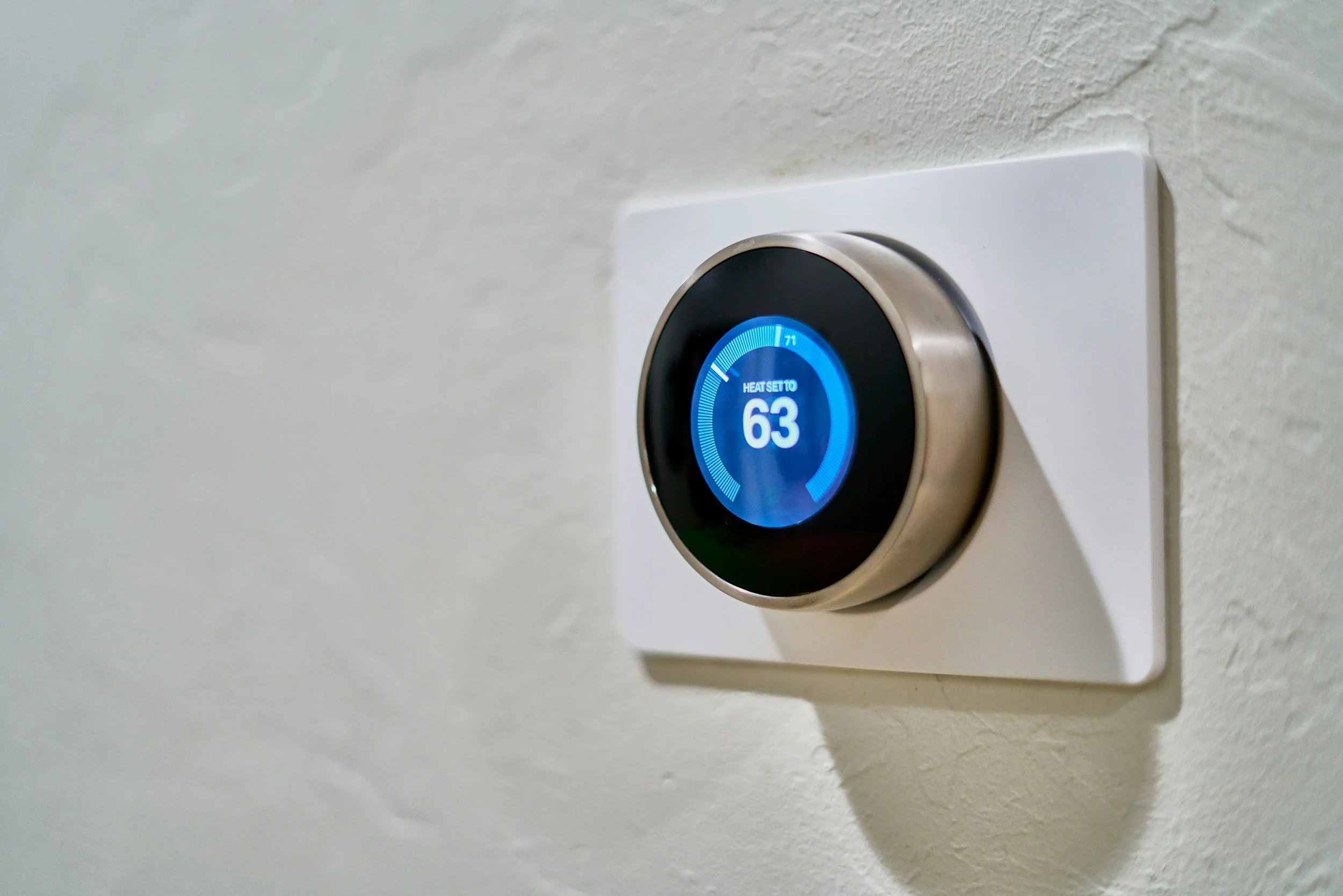
Your thermostat shouldn’t heat an empty house. Set it lower at night and when you’re out. A smart thermostat learns the schedule and handles it for you.
ENERGY STAR puts the savings at about $100 a year in homes with high heating bills. PSE pays $75 toward one, and City Light pays $50 per line-voltage thermostat for baseboard heat.
The leaks
Drafts are money leaving the house. Replace worn door weatherstripping, add door sweeps and caulk the window trim. A can of spray foam seals the gaps around pipes and wires.
ENERGY STAR says sealing and insulating can save up to 10% on yearly energy bills. The sealing half costs a weekend and a hardware store run.
The lights
LED bulbs use at least 75% less energy than old incandescents and last up to 25 times longer. Shop by lumens, not watts: brighter bulbs still sip power.
Love a bright house? Turn on the big light without guilt. Don’t forget the garage, closets, pantry, laundry and outdoor fixtures. They add up more than most people think.
The filter
Changing the furnace or heat pump filter is boring advice, which is usually code for “it works.” A clean filter keeps air moving and the system working less. My monthly maintenance checklist has it on repeat.
Buy filters in bulk so you’re never tempted to wait one more month. Write the date on the frame.
The shell
Insulation and air sealing: start in the attic
Why the attic comes first
Heat rises, and in an older house it rises right out through the ceiling. Many pre-1990 Seattle attics have a few inches of old insulation, gaps and open holes.
Seal the holes first, then add insulation. Insulation slows heat; it doesn’t stop air. Air leaks through the holes around lights, chimneys and pipes.
What it takes
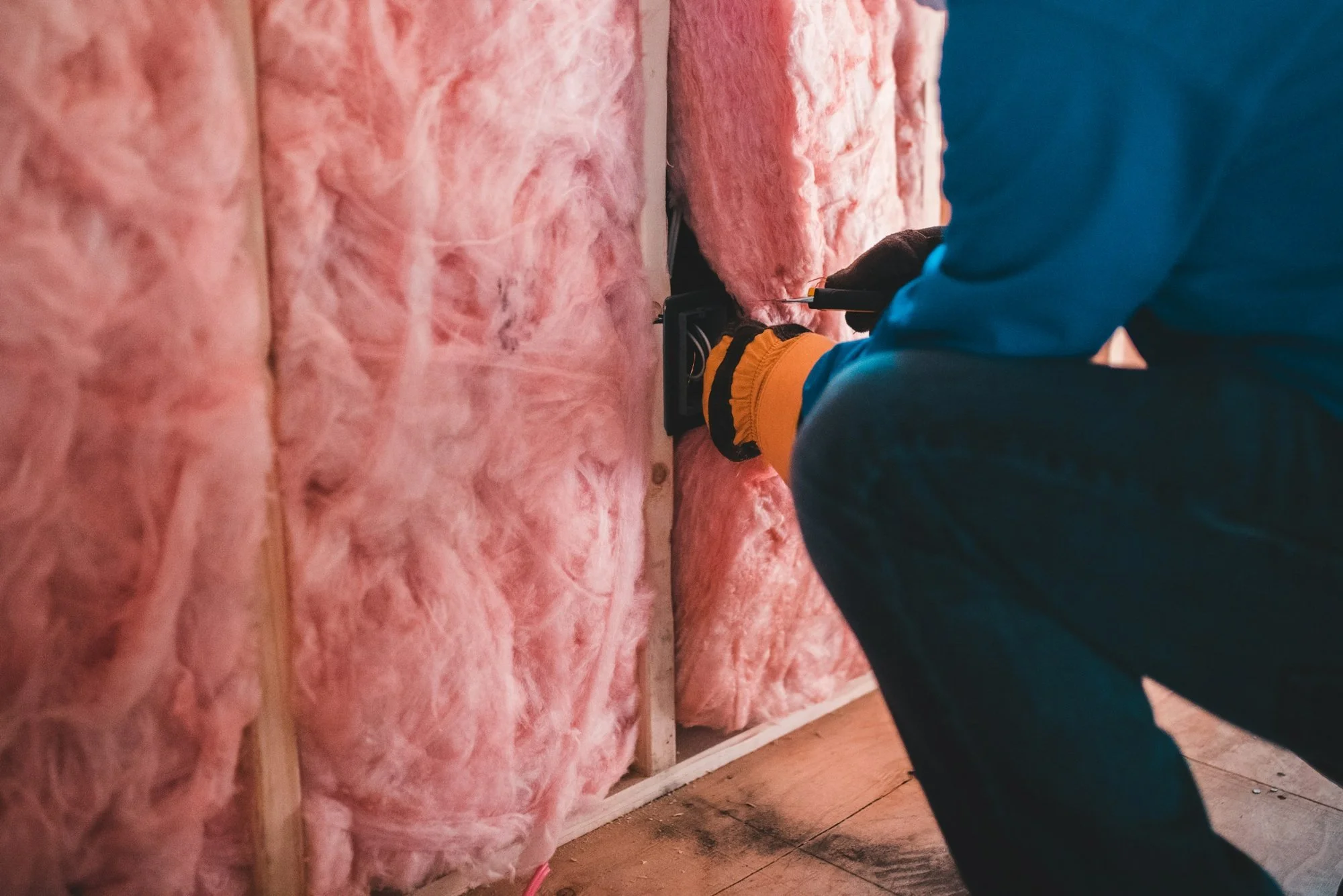
A contractor seals from below, then blows in loose fill to about R-49. In a crawlspace, batts go between the floor joists, tight to the subfloor.
City Light says air sealing and insulating attics, floors and basements can save 15% on heating and cooling costs. If you’re replacing siding, ask about wall insulation then.
- 1Gaps. around lights, pipes and the hatch let warm air straight up
- 2Thin insulation. a few inches between the joists
- 3Sealed first. foam and caulk close the holes from above the ceiling
- 4About R-49. a deep layer of loose fill, the level PSE’s attic rebate pays for
Who pays for part of it
PSE pays $1.75 per square foot, up to $3,500, to bring an attic with R-11 or less up to R-49. A little more insulation already there drops it to $0.50.
PSE also pays $2.50 per square foot for floor and wall insulation and 20 cents for air sealing. The home must be site-built in 1989 or before, with a PSE contractor.
City Light customers don’t get a standard insulation rebate. Income-eligible homeowners can get the work free through Seattle’s HomeWise program.
Windows
Windows: shades, inserts or new glass
Shades and inserts first
Old windows are a big hole in the wall. But replacing them is the slowest way to get paid back. Cover them well first.
Honeycomb, or cellular, shades trap air against the glass. In Department of Energy lab tests, tight cellular shades saved up to 20% of heating energy compared with bare windows.
When new windows make sense
Curtains help too, especially at night. Window inserts are a sleeper hit. They press into the frame like a second pane, without replacing the frames or the glass.
New windows make sense when the frames are failing, the seals have fogged or you’re remodeling anyway. ENERGY STAR says certified windows cut bills about 12% on average.
PSE pays $100 per window, up to $1,500, to replace single- or double-pane windows with a U-factor of 0.22 or lower. Its rebates allow 15 windows over a home’s life.
Hot water
The water heater: the second-biggest energy user
How a heat pump water heater works
A heat pump water heater pulls heat from the air around the tank and moves it into the water. It uses a fraction of the power of a standard electric tank.
ENERGY STAR says it saves a family of four about $550 a year compared with a standard electric tank. It needs room around it, a drain for condensate and a 240-volt circuit.
Rebates and the fine print
City Light pays $750 through a participating contractor, or offers an instant coupon at Home Depot and Lowe’s. PSE’s water heating rebate is for PSE electric customers.
Replacing a gas tank works too, but the savings math changes. Gas water heat is cheaper to run than a standard electric tank. Do it when the gas tank wears out.
Heating
The big upgrade: a heat pump
What a heat pump saves
A heat pump moves heat instead of making it, so it heats and cools. City Light says heat pumps cut heating costs 25% to 50% compared with standard electric heat.
The bars in the tool tell the story. On City Light, a therm of heat from a heat pump costs about $1.31. Baseboards cost about $3.92 for the same heat.
Seattle City Light (Seattle rate)
PSE electricity
Oil, baseboards and gas
Oil is the easiest call. Seattle’s Clean Heat Program gives $2,000 instant for oil-to-heat-pump conversions, plus City Light’s $300 to $600 discount.
Baseboards and electric furnaces come next. PSE pays $1,500 to convert electric heat to a heat pump. Gas is the close call. On City Light, a heat pump beats a modern gas furnace, $1.31 to $1.67. On PSE electricity it costs a little more, $2.04.
Mini-splits fit homes without ducts. My mini-split guide has Seattle prices and permits. My natural gas guide covers what to keep, replace or switch.

Keep it tuned
A heat pump works hardest in our cold snaps. Service it every year, and keep the record. A service sticker tells a buyer the house was cared for.
Rebates
Seattle rebates and tax credits in 2026
What’s gone
The federal tax credits are gone. The IRS says the energy efficient home improvement credit and the residential clean energy credit don’t apply to anything placed in service after Dec. 31, 2025.
What’s left
What’s left is mostly local, from your utility and the city. Ask the contractor before you sign: many rebates come off the invoice and need a listed contractor.
| Upgrade | PSE | Seattle City Light |
|---|---|---|
| Smart thermostat | $75 (PSE gas or electric heat) | $50 each, up to 5, for baseboard thermostats |
| Attic insulation | $1.75/sq ft up to $3,500 (R-11 or less) | HomeWise, free if income-eligible |
| Floor and wall insulation | $2.50/sq ft | HomeWise, free if income-eligible |
| Windows | $100 each, up to $1,500 | None standard |
| Heat pump water heater | $1,000 (electric customers) | $750 |
| Heat pump | $1,500 from electric heat | $300 to $600 instant |
| Oil to heat pump | None standard | $2,000 Clean Heat, plus City Light |
| Home energy assessment | Free in-home visit | Energy Advisor by phone |
- Step 1Get advicePSE’s free assessment or a City Light Energy Advisor.
- Step 2Check income programsHomeWise and PSE Efficiency Boost pay more.
- Step 3Get three bidsFrom contractors your utility lists.
- Step 4Rebate on the invoiceMost come off the bill; keep the paperwork.
Sellers and buyers
Energy bills when you buy or sell
Buying
Ask the sellers for 12 months of utility bills. Budget billing averages the year, so it hides the winter peak. Then ask what heats the house and how old the water heater is.
A good inspector checks insulation where it can be seen. My home inspection guide covers what they look at. An old oil furnace or tank needs its own questions.
Selling
Service the heating system and flush the water heater before you list. Put the receipts in the buyer package. My listing prep guide has the order.
Appliance upgrades also tend to photograph well, which matters when it’s time to sell.
Buying
- Ask for 12 months of utility bills
- Ask what heats the house, and how old it is
- Check the water heater’s age on its label
- Ask the inspector about insulation and the camera
Selling
- Service the heat and flush the water heater
- Put receipts and rebate papers in the buyer package
- Find the oil tank certificate, if there is one
- Note upgrades in the listing
FAQ
Frequently asked questions about lowering energy bills in Seattle
What’s the fastest way to lower my energy bill in Seattle?
Turn the heat down at night and when you’re away, and seal the drafts. Heat is most of the bill, so those two moves pay first.
Is there a federal tax credit for energy upgrades in 2026?
No. The IRS says the home improvement and clean energy credits end for anything placed in service after Dec. 31, 2025. Utility and city rebates remain.
Does Seattle City Light offer rebates?
Yes: instant heat pump discounts of $300 to $600, $750 on a heat pump water heater and $50 per baseboard smart thermostat. Income-eligible homes can get free weatherization through HomeWise.
What does PSE pay for insulation?
Up to $1.75 per square foot, capped at $3,500, for an attic with R-11 or less. Floors and walls get $2.50 per square foot. The house must be built in 1989 or before.
Is a heat pump worth it in Seattle?
Coming off oil, baseboards or an electric furnace, almost always. Next to a modern gas furnace it’s closer: cheaper on City Light, a bit more on PSE. Then it’s about cooling, comfort and timing.
Do I need a home energy audit?
It helps. PSE offers a free in-home energy assessment to eligible customers, and City Light has Energy Advisors you can call.
Why is my electric bill so high all of a sudden?
In Seattle it’s usually the heat in a cold snap, an electric heater or an EV charging at peak. Compare the same month last year before you blame the meter.
The bottom line
Lowering your energy bill isn’t one dramatic change. It’s stacking smart, practical upgrades over time.
Start small this weekend. Plan the attic. When the water heater or the furnace wears out, replace it with a heat pump, and do it once and do it right.
Being efficient is part of being home.
Next: the month-by-month maintenance checklist, or what a mini-split costs in Seattle.
Sources
- Seattle City Light, Home Energy Solutions, heat pump instant discounts, Clean Heat, heat pump water heater rebate, baseboard thermostat rebate, HomeWise, 15% from sealing and insulating, 25% to 50% heat pump savings
- Seattle City Light, Current Residential Rates, Seattle flat rate 13.38 cents per kWh
- City of Seattle, Clean Heat Program, oil to heat pump conversions
- Seattle Office of Housing, HomeWise Weatherization, free upgrades for income-eligible homes
- PSE, Insulation rebates, attic, floor, wall and air sealing rebates; site-built 1989 or before
- PSE, Smart thermostat rebate, $75; electric or gas heat from PSE
- PSE, Windows rebate, $100 per window up to $1,500; 15-window lifetime limit
- PSE, Heating rebates, electric resistance to heat pump
- PSE, Water heating rebates, heat pump water heater
- PSE, Home Energy Assessment, free in-home assessment for eligible customers
- PSE, Efficiency Boost, higher rebates for income-qualified customers
- ENERGY STAR, Heat and Cool Efficiently, almost half of the bill; smart thermostat about $100 a year
- ENERGY STAR, Seal and Insulate, up to 10% on yearly energy bills
- ENERGY STAR, Heat Pump Water Heater savings, about $550 a year, family of four
- ENERGY STAR, Clothes Dryers, heat pump dryers use about 70% less energy
- ENERGY STAR, Home Upgrade graphic, certified windows lower bills about 12%
- U.S. Department of Energy, Interior Cellular Shades fact sheet, up to 20% heating energy savings
- Pacific Northwest National Laboratory, High-Efficiency Lighting, LEDs use at least 75% less energy, last up to 25 times longer
- IRS, Energy Efficient Home Improvement Credit, ends after Dec. 31, 2025
- IRS, Residential Clean Energy Credit, ends after Dec. 31, 2025
- PSE Schedules 7 and 23 and City Light rates in effect Oct. 1, 2026, cost per therm of heat (my natural gas guide shows the math)