
How Seattle Homeowners, Buyers, and Sellers Can Actually Use It to Their Advantage
If you live in Seattle long enough, you learn to ignore certain background noise. Rain forecasts. Tech layoffs headlines. And definitely calls about your car’s extended warranty.
But if you are buying, selling, or already living in a new construction home in the Seattle area, the builder warranty attached to your property is not noise. It is one of the most important consumer protections baked into the home buying process, and it is time sensitive.
Here is how Seattle home buyers, homeowners, and even sellers should think about new construction warranties, what they really cover, and how to make sure they do not quietly expire unused.
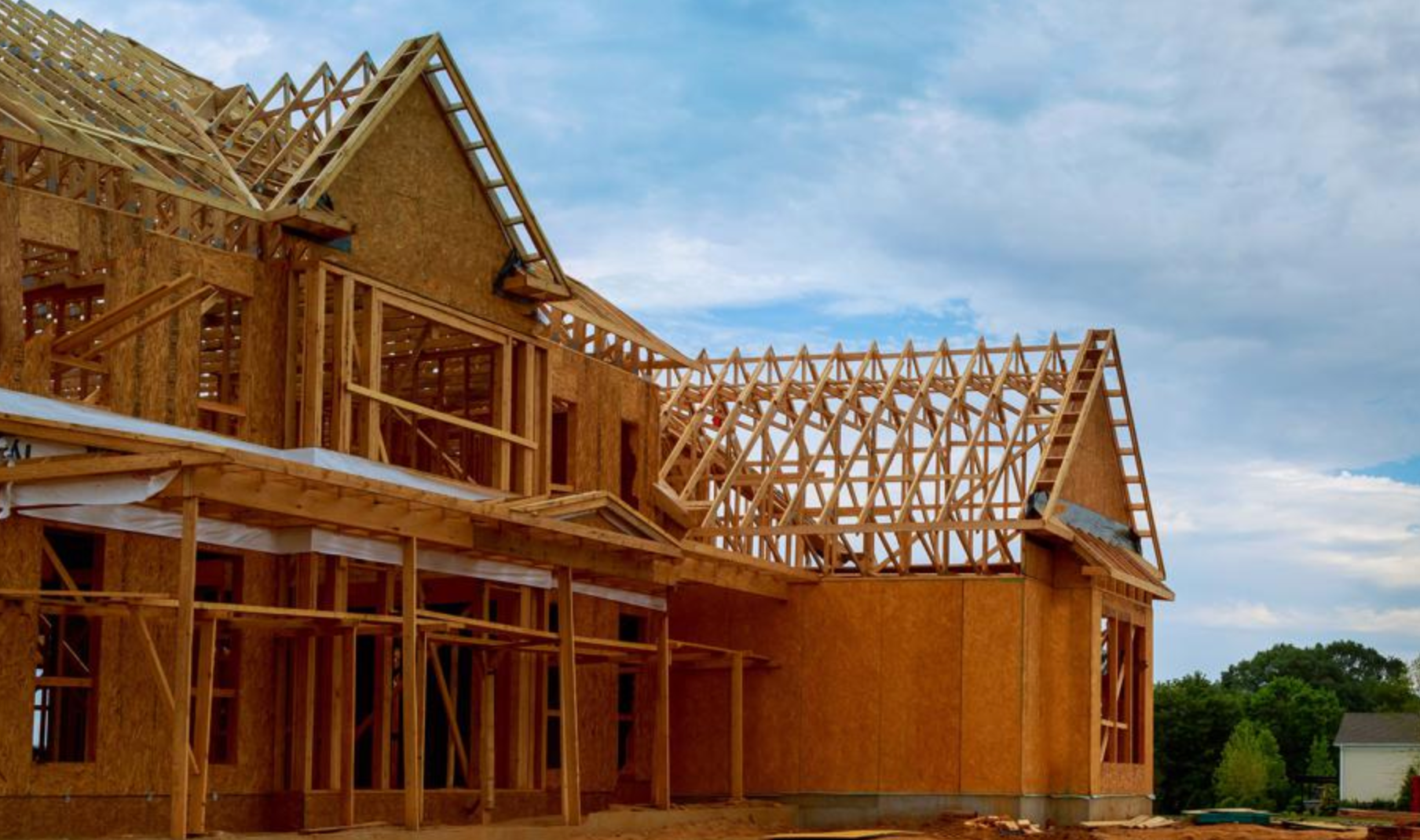
What Is a New Construction Warranty in Washington State?
A new construction warranty is designed to protect the buyer from defects in workmanship. In plain terms, if something was built incorrectly, installed poorly, or does not meet the builder’s own standards, the builder is typically responsible for fixing it.
Most Seattle-area builder warranties last one year from closing. If you discover nine months after moving in that siding was improperly installed, a door does not close correctly, or drywall cracking exceeds allowable limits, the builder is usually obligated to repair it.
What warranties generally do not cover:
Normal wear and tear
Homeowner neglect or lack of maintenance
Damage from earthquakes, flooding, or storms
Pest or rodent damage
In a region like Seattle, where moisture, drainage, and soil conditions matter, understanding what is and is not covered can save you real money.
The Warranty Documents Seattle Buyers Receive
When you purchase new construction in Seattle, you will typically receive multiple warranty-related documents. Most buyers skim them. Smart buyers flag them.
The Builder’s Addendum Explained
The Builder’s Addendum is shorter and easier to miss, but it matters.
It typically:
Confirms the home meets the builder’s specifications at closing
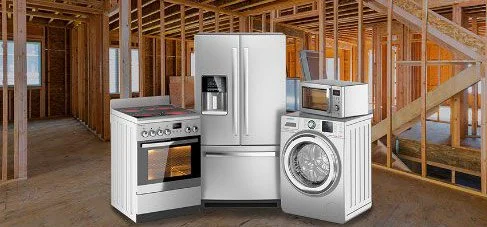
Transfers manufacturer warranties for appliances and systems to the buyer
Clarifies utility, sewer, and connection responsibilities
Nullifies any promises not in writing
One key item Seattle buyers should know is the 30-day builder extension. If the home is not finished by the agreed closing date, many addendums allow the builder up to 30 extra days to complete construction before the buyer can terminate without penalty.
The Limited Builder Warranty
This is the main document and usually runs 20 to 40 pages. While the structure varies by builder, most Seattle-area warranties include the same core sections.
Definitions and Legal Framework
This section defines buyer, seller, property, governing law, and referenced documents. Not exciting, but important if a dispute arises.
Warranty Claims and Dispute Resolution
This outlines how you submit a claim, required timelines, and how disagreements are handled. Miss a deadline and your claim may evaporate.
Homeowner Maintenance Requirements
Builders expect reasonable upkeep. In Seattle, this often includes maintaining drainage, keeping gutters clear, and preventing moisture intrusion. Failure to do these things can jeopardize coverage.
Coverage Standards and Repair Obligations
This is the most important section. It lists covered issues like cracked drywall, uneven flooring, or misaligned doors, defines acceptable tolerances, and explains how the builder must fix them.
This is also where builders quietly admit things like squeak-free floors not being guaranteed. Read this part carefully.
Why the 10 Month Inspection Is Critical for Seattle Homeowners
Builder warranties do not automatically fix problems. Issues must be identified and submitted before the warranty expires.
Many warranty-covered defects are subtle and easy to miss, especially in the Pacific Northwest where seasonal moisture changes can reveal problems slowly.
That is why a professional 10 month inspection is one of the smartest moves a Seattle homeowner can make.
Scheduling an inspection around month ten allows time to:
Identify workmanship defects before the one-year deadline
Submit warranty claims properly and on time
Give the builder time to complete repairs while coverage is active
This inspection often uncovers items buyers never noticed during daily living, and it can prevent thousands in future repair costs.

Why This Matters for Seattle Home Sellers Too
If you are selling a newer home in Seattle, an active or recently completed warranty claim history can actually work in your favor.
Homes with documented repairs and proactive maintenance often feel more trustworthy to buyers. It signals that the home was cared for and that known issues were addressed under warranty rather than ignored.
In competitive Seattle neighborhoods, that peace of mind matters.
The Seattle Takeaway
A new construction warranty is not glamorous, but it is powerful. It is one of the few moments where the builder remains financially responsible after you move in.
Seattle buyers should calendar the expiration date. Seattle homeowners should schedule the 10 month inspection.
Seattle sellers should understand how warranty history affects resale value.
Used correctly, a builder warranty helps you protect your investment, your comfort, and your future resale.
If you want guidance tailored to Seattle’s housing stock, builders, and neighborhoods, this is exactly where having a local expert makes the difference.
The goal is simple. Be home. And stay protected once you are there.
More in my buyer’s guide: after the keys.