
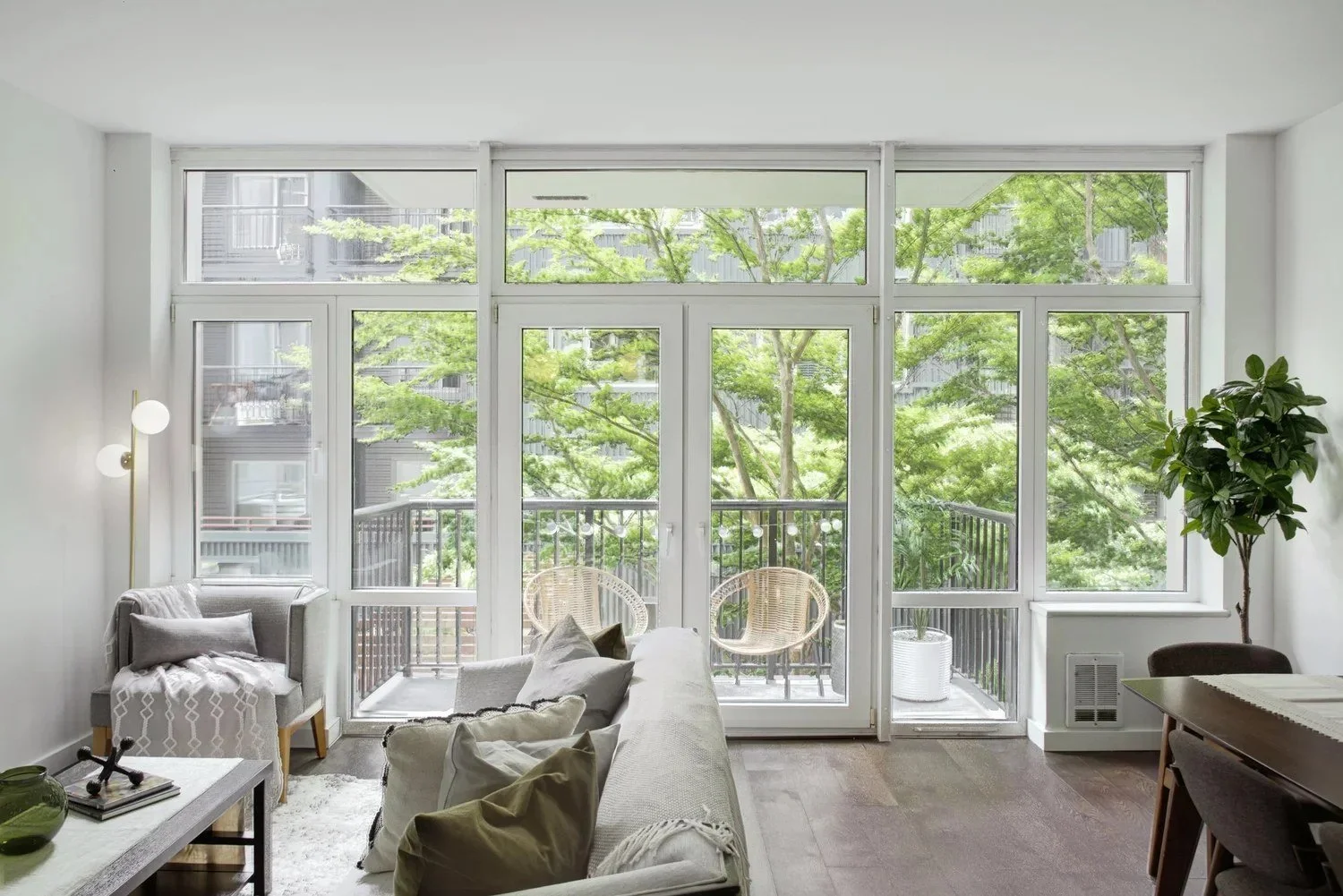
Short answer: Yes. Next question.
Real answer: Okay, fine. Home staging is renting furniture and decor so buyers can picture living in your home, online and in person. In Seattle, staging a vacant home runs about $2,800 to $5,300 for setup and the first month. Then you pay monthly rent until pickup. An empty home almost always needs it. A lived-in home needs editing first, then a few pieces.
Seattle home staging cost planner
What will staging cost, and when does it happen?
Pick your situation, the home and how you want to stage it. You get a cost range from real 2026 Seattle quotes, the rooms to stage, a timeline back from list day and a contract checklist. Nothing you enter leaves this page.
Rooms to stage
Your staging timeline
Your checklist
An estimate, not a quote. Vacant staging ranges come from my team’s 2026 Seattle stager quotes, scaled by size; occupied staging, consultations and virtual staging use Fixr’s national figures. Main rooms only is modeled at about 75% of full staging. Sales tax uses Seattle’s 10.55% rate on furniture rent after the first month; the first-month bill may include tax too. Timeline follows my listing schedule; your stager and agent set the real dates.
An empty house gives buyers too much room to overthink, and buyers who overthink don’t write strong offers. Here’s how staging works in Seattle: what it costs, which rooms matter, what the contract says and when it all comes out.
Same thing, other names: house staging, staging a house for sale, vacant staging, occupied staging, furniture rental for sale, and virtual staging for the photo-only version.
The basics
What home staging is, and what it isn’t
Marketing, not decorating
Staging is marketing. A stager brings in rented furniture, rugs, art, lamps and linens, then arranges them for the photos and the showings. It all leaves after the sale.
It isn’t decorating to your taste. It’s styling for the most likely buyer, in a calm look that photographs well and doesn’t distract.
Three kinds of staging
Vacant staging furnishes an empty home, usually the main rooms. It costs the most and changes the most.
Occupied staging works with what you own. The stager edits, rearranges and adds a few pieces, rugs and accessories.
Virtual staging adds furniture to the photos only. The rooms stay empty when buyers walk in.
Prep comes first
Staging is the last step of prep, not the first. Repairs, paint, the clear-out and the deep clean all come before it. My guide to getting a house ready to sell covers that order.
A seller once asked if we could skip staging and list sooner. We could have. With a lot of inventory on the market that fall, I suggested we stand out instead.
Why it works
Why staging works: the photos first, then the walk-through
Buyers meet the photos first
Most buyers see your home on a phone before they ever see it in person. Staged rooms photograph brighter, bigger and easier to read.
NAR’s 2025 Profile of Home Staging found 83% of buyer’s agents say staging helps buyers picture the home as theirs. About half of sellers’ agents said it cut time on market.
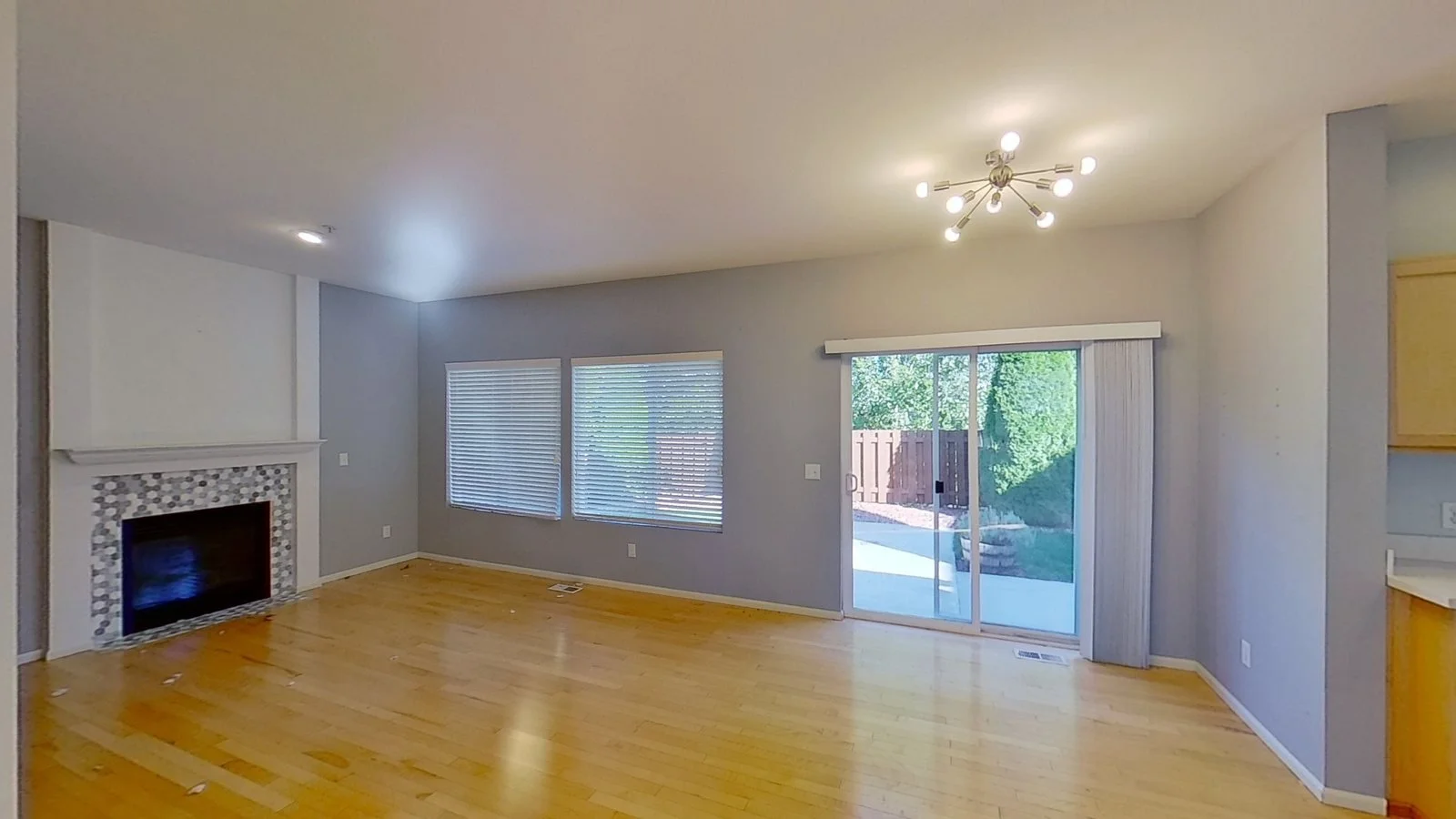
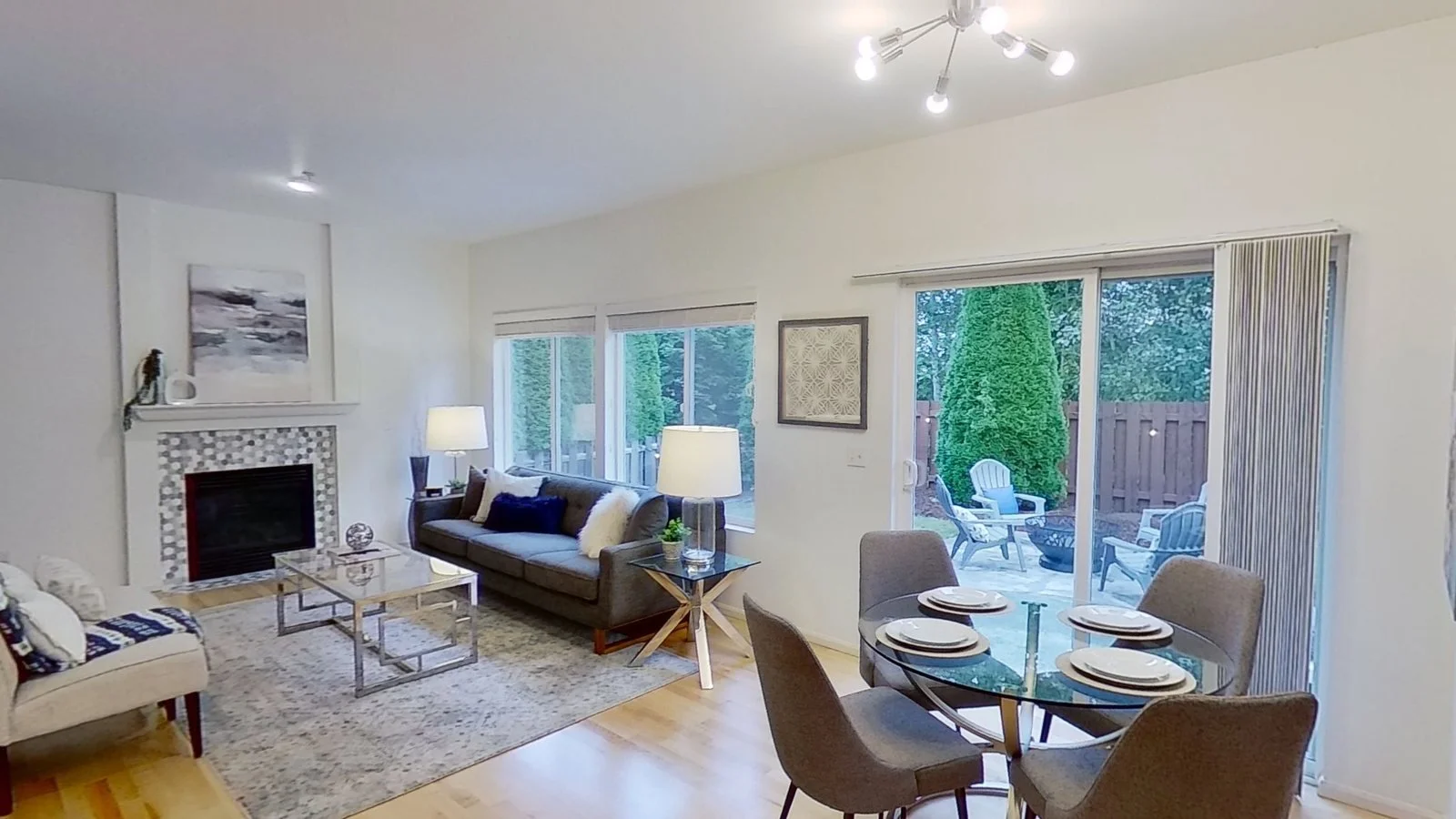
Empty rooms are hard to read
An empty room has no scale. Buyers can’t tell if a sofa fits, where the table goes or how the rooms connect.
Staging defines each room, answers layout questions instantly and adds warmth. That uncertainty creates hesitation, and hesitation kills momentum.
Lived-in homes compete too
Occupied homes compete with staged ones in the same photo feed. Personal collections, crowded rooms and family photos pull buyers away from the house itself.
Cost
What home staging costs in Seattle
National numbers run low
National averages look cheap. Angi puts the average at about $1,843, and NAR found a $1,500 median when sellers hired a stager.
Those numbers blend quick consultations and occupied jobs with full vacant staging. A furnished, vacant Seattle home costs more.
How the bill works
A stager quotes setup plus the first month, or sometimes the first 60 days. After that, you pay monthly rent until pickup.
On my team’s 2026 quotes and invoices, setup plus the first month ran about $2,800 for a condo to about $5,300 for a larger house. Rent after that ran about $650 to $900 a month on most, and about $1,300 at one stager.
- Month 1Setup + first monthDesign, delivery, install and the first 30 days (sometimes 60).
- Each month afterRentAbout $650 to $1,300 a month on my 2026 quotes, plus sales tax.
- Before installDepositOften half up front to hold the date; reschedule fees apply.
- The endPickup5 to 10 days’ notice; rush pickups cost more.
Sales tax on the rent
Washington taxes the furniture rent as a retail sale. The stager’s design and setup fee alone is a service, per the Department of Revenue. In Seattle the sales tax is 10.55% in 2026.
Who pays
On my listings, the seller pays the stager. Compass, my brokerage, offers Concierge: it can pay for eligible staging and prep, with nothing due until closing. It’s a loan with credit approval and possible fees.
Rooms
Which rooms to stage first
The rooms buyers care about
Living room first, then the primary bedroom, then the kitchen and dining. In NAR’s survey, buyer’s agents ranked those as the rooms that matter most.
Guest rooms and kids’ rooms matter least. Stagers often skip them or give them a simple bed.
Partial staging
Staging only the main rooms saves money. On one of my 2026 quotes, staging fewer bedrooms cut about $800 off the full price.
Timing
When staging goes in and when it comes out
Timeframe Book 1 to 3 weeks ahead · install about 12 days before list day · pickup after the appraisal clears
Book early
Stagers book out one to three weeks, so the date goes on the calendar early. Some charge a fee for a last-minute reschedule.
Install, photos, list day
Everything else is done first: the trades, the move-out, the deep clean. On my listings the stager installs about 12 days before list day, and photos follow about two days later.
The month you list is its own decision. My post on the best time to sell covers that.
- About 3 weeks before installBook the stagerMost book one to three weeks out.
- −12 daysStaging installedAfter prep, the move-out and the deep clean.
- −10 daysPhotos and videoThen list day, usually a Wednesday or Thursday.
- After the appraisalPickupOnce it clears at value, or the buyer waives it.
Staying staged
The furniture stays through showings, open houses and the offer. If the home goes off market for a while, it can stay staged.
Coming out
I keep staging in until the buyer’s appraisal comes in at value with no required repairs, or the buyer waives it. If the appraisal asks for repairs or comes in low, you may need to relist, and a staged home is ready to go.
Living there
Living in a home while it’s staged
Occupied staging
Living in the home works. The stager starts with your furniture, removes what crowds the rooms and adds a few pieces that photograph well.
Expect to pack early. Collections, family photos and extra furniture go to storage before the photos.
The daily routine
Treat the staged rooms like a hotel: beds made, counters clear, towels out only for show. Leave before showings, with pets and their bowls.
The contract
Read the staging contract before you sign
Term and minimums
Read how long the base price covers: 30, 45 or 60 days on the agreements I see. Many stagers want half up front to hold the date.
Then read the renewal. Some renew in full 30-day blocks with no refund for early pickup. Most want 5 to 10 days’ notice to pick up, and charge more for a rush.
Staging agreement: what to find before you sign
Damage and insurance
Every staging agreement I’ve read puts lost, damaged or stolen pieces on the seller. On one 2026 listing, a break-in took some of the stager’s furniture. Confirm the stager carries its own insurance, and ask what your homeowners policy covers before install day.
A vacant home is its own insurance question. Many homeowners policies limit coverage after 30 to 60 days without anyone living there, per Policygenius. Call your agent before you move out.
Curtains, rugs and what conveys
Watch the window coverings. The standard Washington purchase contract, NWMLS Form 21, includes curtains, drapes and all window treatments in the sale. Note any stager’s curtains as excluded in the listing and the offer.
Rugs, lamps, art and furniture are personal property, so they don’t convey. They belong to the stager, and they leave.
Virtual
Virtual staging: cheaper, with rules
What it is
Virtual staging places digital furniture into photos of empty rooms. It costs far less than renting real pieces, and nothing has to be moved.
The label rule
Washington’s listing service has a rule for it. NWMLS Rule 105(d) says any photo changed to show a different look must be clearly labeled virtually staged, per Rockwell Institute.
The trade-off is the walk-through. Buyers fall for the photo, then arrive to an empty room. Real staging carries through to the showing.
Real staging
- Furniture in the photos and in person
- Setup plus monthly rent
- Buyers feel the scale on the walk-through
- Leaves after the sale
Virtual staging
- Furniture in the photos only
- About $75 to $150 a room (Fixr)
- Rooms are empty in person
- Must be labeled virtually staged (NWMLS)
Condos
Condos and townhomes
Elevators, docks and move rules
Condo staging means a delivery truck, a loading dock and often an elevator reservation. Check the HOA’s move rules before you book; my moving guide covers the usual ones.
Smaller rooms, smaller pieces
Smaller rooms take smaller pieces. A good stager scales the sofa and table to the room, so buyers can see what fits. My rug size guide shows how much a too-small rug shrinks a room.
Buyers
Buying a staged home
The furniture doesn’t come with it
The staged furniture belongs to the stager. Unless a seller agrees in writing, it leaves before you move in.
Window treatments are the exception. Form 21 includes curtains and drapes unless the listing or the offer excludes them, so ask.
See past it
Look at the house, not the throw pillows. Measure rooms against your own furniture, and check any photo labeled virtually staged against the real room.
Your walkthrough
Plan your final walkthrough for after pickup day, so you see the home the way you’ll get it.
Leaves with the stager
- Sofas, beds, tables and chairs
- Rugs, lamps and art
- Pillows, throws and linens
- Plants and accessories
Stays with the house, unless excluded
- Curtains, drapes and window treatments
- Installed lighting fixtures
- Built-in appliances
- Other fixtures
FAQ
Frequently asked questions about home staging in Seattle
Is home staging worth it in Seattle?
For a vacant home, almost always. NAR found 83% of buyer’s agents say staging helps buyers picture a home as theirs. A lived-in home may need editing and a few pieces instead of full staging.
How much does home staging cost in Seattle?
On my team’s 2026 quotes, a vacant home ran about $2,800 to $5,300 for setup plus the first month. Rent after that ran about $650 to $1,300 a month, plus sales tax.
Who pays for staging, the seller or the agent?
On my listings, the seller pays the stager. Compass Concierge can pay for eligible staging with nothing due until closing, as a loan with credit approval and possible fees.
Do I need to stage if I’m still living in the house?
Usually you need editing more than furniture: pack, remove extra pieces and add a few. Occupied homes get fewer showings, so presentation matters even more.
Can I stage my house with my own furniture?
You can, and sometimes it works. A stager’s pieces usually photograph better and feel consistent to buyers. Send your agent photos first.
How long does staging stay in the house?
Through the listing and the offer. I keep it until the buyer’s appraisal clears or is waived, so the home can relist if needed.
Is virtual staging allowed in Washington?
Yes. Under NWMLS Rule 105(d), any photo changed to show a different look must be clearly labeled virtually staged.
Does staged furniture come with the house?
No. It belongs to the stager and leaves. Curtains and drapes are different: Form 21 includes them unless the listing or offer excludes them.
Does staging affect the appraisal?
Not directly. The appraisal values the home, and the staged furniture isn’t part of the sale. Staging works earlier, by drawing more buyers and stronger offers.
The bottom line
Staging is marketing, not decorating. An empty Seattle home almost always needs it, and a lived-in home needs editing first.
Budget setup plus a month or two of rent, read the contract’s term and damage clauses, and keep the furniture in until the appraisal clears.
Next: how to get your house ready to sell, or the best time to sell in Seattle. Prep strategy is in my seller guide: preparing to sell.
Sources
- National Association of Realtors, 2025 Profile of Home Staging (May 6, 2025), buyer’s agents and visualizing, time on market, rooms that matter most, median staging cost
- Angi (HomeAdvisor), How Much Does It Cost to Stage a Home (updated Dec 13, 2024), national average and typical range
- Fixr, How Much Does It Cost to Stage a House (updated Jan 31, 2025), occupied vs empty house staging, consultation, virtual staging per room
- Washington Department of Revenue, Interior decorators, designers and consultants guide: Miscellaneous topics, staging fees vs furniture rental, retail sales tax
- Washington Department of Revenue, King County local sales tax change, Q1 2026, Seattle combined rate 10.55%
- NWMLS Form 21, General Term c (Rev. 2/26 samples), included items: curtains, drapes and all window treatments
- Rockwell Institute, Using AI for home staging (Jan 15, 2026), NWMLS Rule 105(d), virtually staged label
- Policygenius, Vacant and unoccupied home insurance, vacancy limits after 30 to 60 days
- Compass Concierge (brianhuie.com), fronted costs, nothing due until closing; loan terms apply
- Brian Huie’s team staging quotes, invoices, agreements and client emails, 2019 to September 2026, Seattle staging prices, contract terms, booking lead times, destage timing