
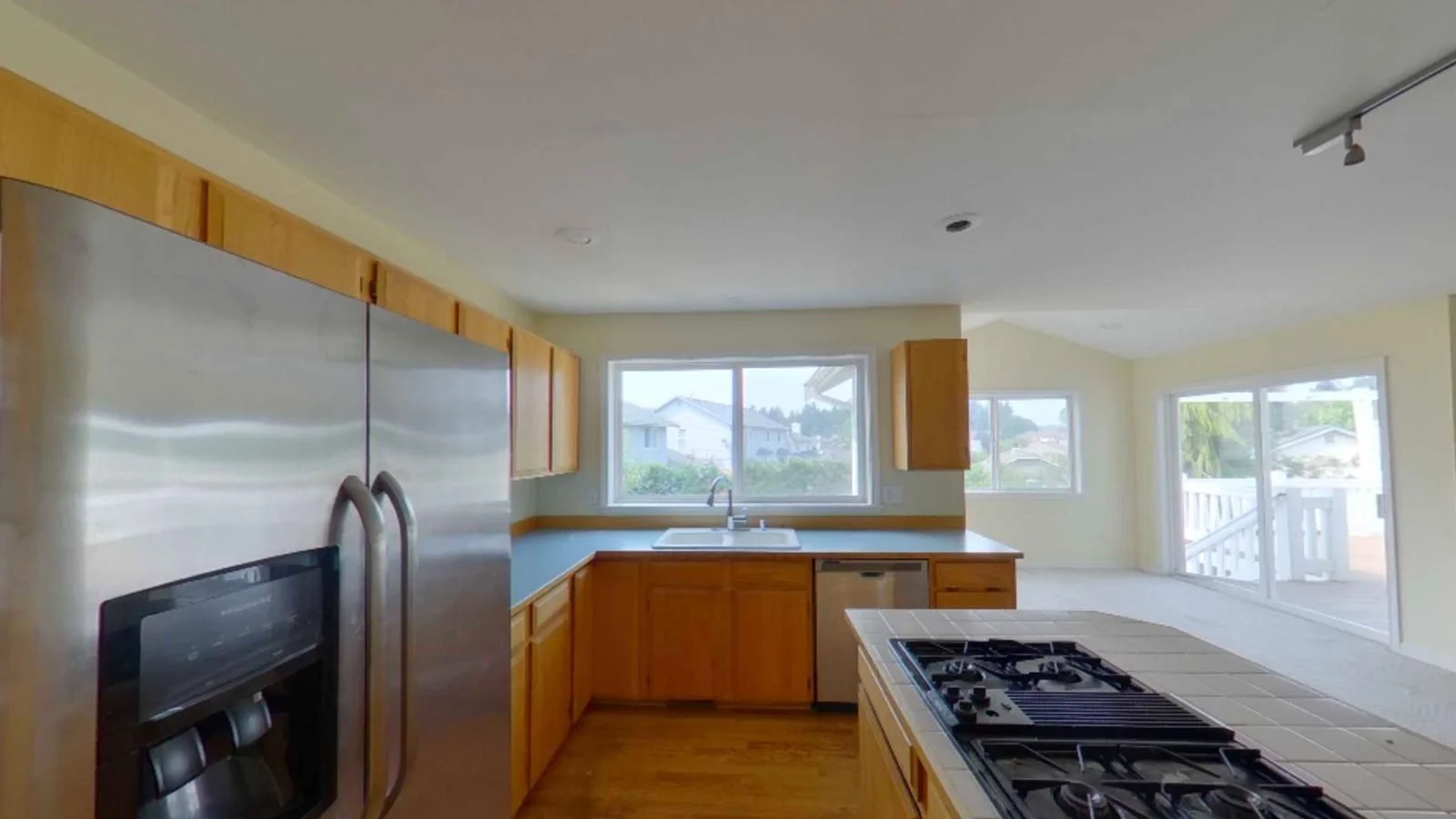
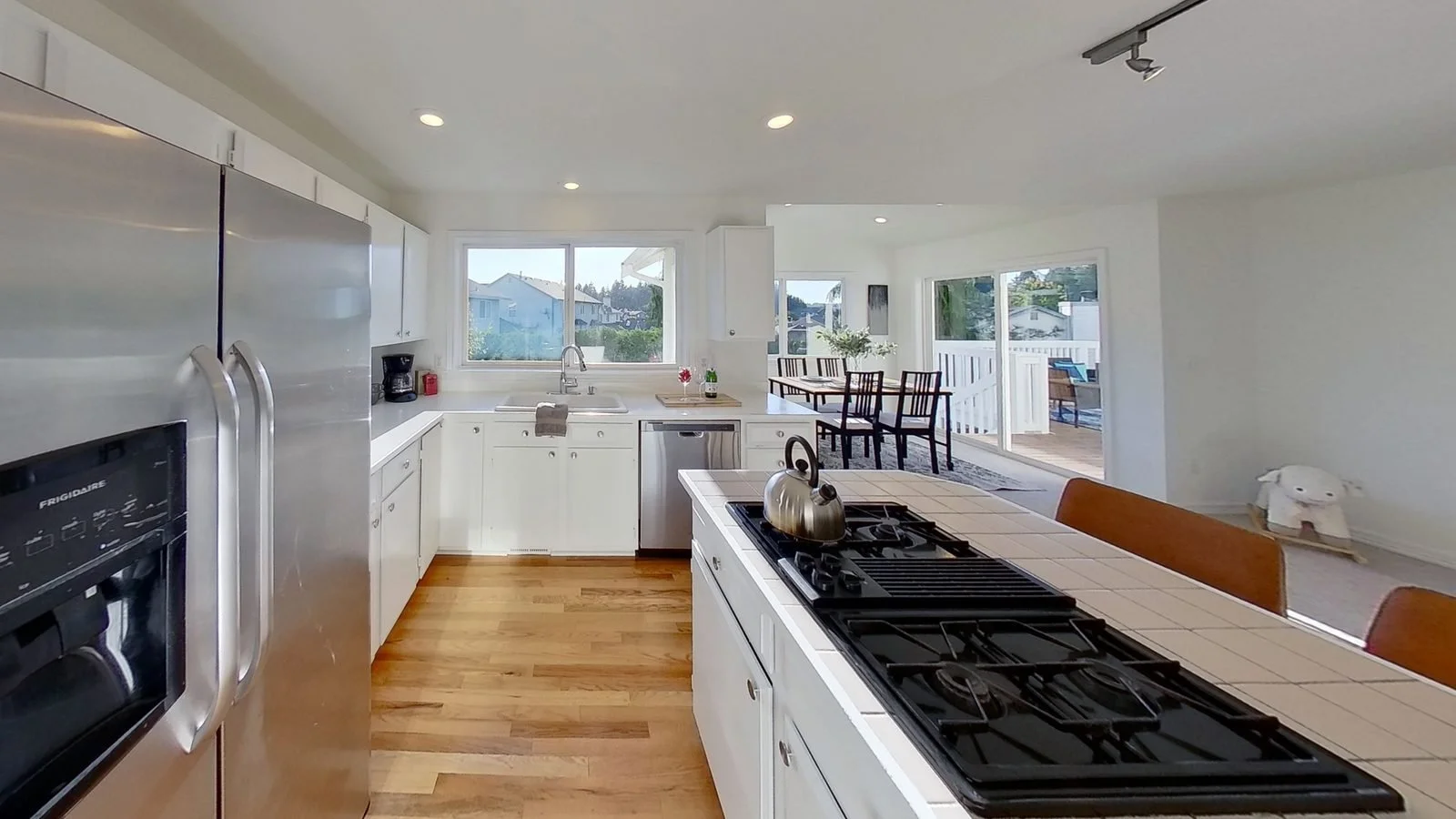
To get a house ready to sell in Seattle, fix what protects the house first (leaks, heat, roof and gutters), then paint and floors, then clear out and deep clean last, with the work finished about two weeks before list day so staging and photos can happen. Most of my listings need about two weeks of work once the trades are booked. Skip big remodels you won’t live with, and cover the legal must-dos: carbon monoxide and smoke alarms, permits where the work needs them, and an honest Form 17.
Get-ready planner
Your prep plan, dated backward from list day
Tap what fits, or pick an exact list day. Your dates, steps and the rules that apply update as you tap. Nothing you pick leaves this page.
Your plan, by date
A typical plan, not a rule. Timing follows the schedule my team uses on our listings: prep finished about 14 days before list day, staging about 12, photos about 10. Rules from RCW 19.27.530, RCW 43.44.110 and RCW 64.06.020, Washington Commerce (lead-safe work) and Seattle SDCI; costs from Seattle Public Utilities and a 2026 listing. Which items your home needs, and how they tie to price, is a conversation with your broker.
The before-and-afters at the top of this page are from my listings: same rooms, same windows, before and after prep. Nothing in them was a remodel. That’s the point of good prep. You’re not changing the house; you’re taking away the reasons a buyer would hesitate.
Same thing, other names: getting a house ready to sell, preparing or prepping a home for sale, listing preparation (agent talk), pre-listing prep, and the seller’s prep list or checklist.
Why prep pays
What Seattle buyers notice first, and why prep pays
Buyers notice condition before they notice square footage. In the National Association of Realtors’ 2025 remodeling report, Realtors reported that 46% of buyers are less willing to compromise on a home’s condition, and the projects Realtors most often tell sellers to do before selling are the plain ones: paint the whole home, paint a room, and a new roof.
The same report shows why big remodels are a different decision. A complete kitchen renovation recovered about 60% of its cost at resale and a bathroom renovation about 50%, while a new steel front door recovered all of it. My rule is short: fix what protects the house, freshen what buyers see first, and save big remodels for the years you’ll enjoy them.
What Realtors recommend before selling
Cost recovered at resale
Timing
Start earlier than you think: the prep countdown
Work backward from list day. Homes here usually go live on a Wednesday or Thursday. On my listings, staging is done about 12 days before that, photos about 10 days before, and every bit of prep, whether my team helps with it or not, is finished before the stager arrives. That makes the real deadline about two weeks before list day.
The work itself is shorter than people expect. A typical prep list (paint inside and out, small repairs, landscaping, general cleanup) takes about two weeks once the trades are booked. Booking them is the slow part, so the conversation should start two to six months out.
- 2+ yearsBigger projects you’ll enjoy; keep up with maintenance and keep receipts
- 1 to 2 yearsRoof, gutters, exterior paint on schedule; fix what’s been waiting
- 6 to 12 monthsPick the list month; start clearing closets and the garage
- 3 to 6 monthsWalk-through, prep list and bids
- 1 to 2 monthsBook trades; pack and move what you can
- 2 weeksPrep done, deep clean, staging, photos
“Don’t just think about a deadline for when you want to sell. Think about how long it will take to prepare.”Brian Huie
Repairs
Fix what protects the house before anything pretty
Water is a home’s worst enemy, especially inside walls, so leaks, roof and gutter problems, drainage and broken heat go first. They’re also what an inspector writes up, and some loan types can’t close on a house whose heat doesn’t work. If I have to spend money on a repair, I try to make it an improvement while we’re in there.
Then get the systems serviced and keep proof. A service sticker on the furnace or water heater, or a receipt, answers the question a buyer’s inspector will tell them to ask. Small things inspectors almost always flag are worth an afternoon: caulk around tubs, sinks and toilets, loose handrails, dead bulbs, missing outlet covers.
Vacant and tenant-occupied homes are where surprises hide. I tell sellers that vacant or tenant-occupied homes always develop problems no one knows about until inspection. Run every faucet and appliance before the trades arrive, not after the buyer’s inspector does.
Paint and floors
Paint everything, not just the walls, and keep the floors simple
When I say paint, I mean walls, ceilings, trim, doors and the inside of closets. Many Seattle homes get the main walls repainted every few years and nothing else, and buyers see the difference instantly next to a fresh ceiling. Painting is the one project I’d keep if a seller asked me to cut the list: skipping it undoes much of the other work.
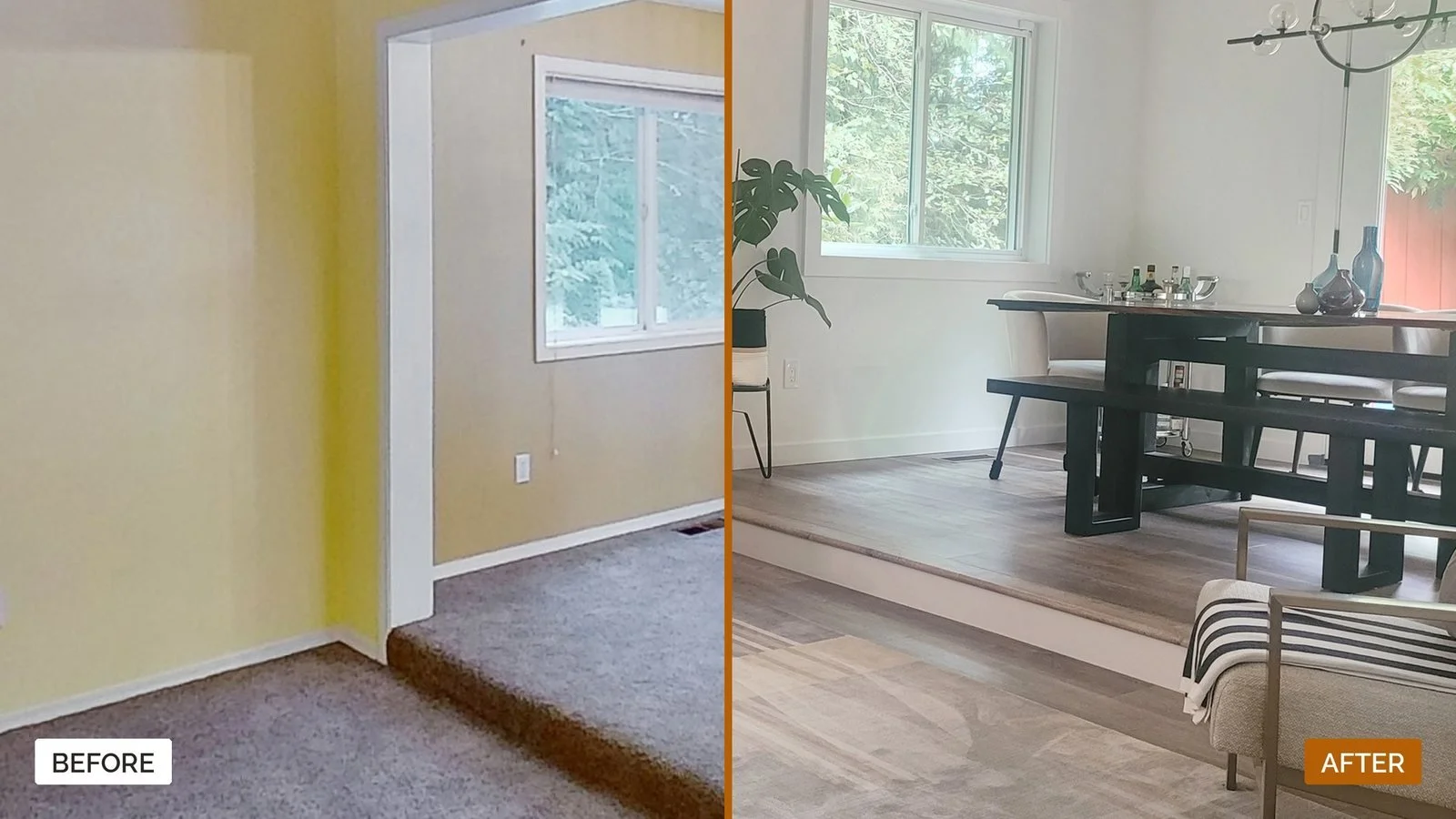
Floors follow the same logic. Buyers notice transitions: one hard floor running through the main rooms reads cleaner than three materials meeting in doorways. Worn carpet can often be cleaned and stretched for a sale; replacing it is a call for your broker, because the right answer depends on who will buy the house.
Curb appeal
The outside is the first photo
The front of the house is the first image online and the first thing a buyer sees from the car. In Seattle that means moss and gutters: clean the roof and gutters, and trim anything touching the siding so it can dry. Prune shrubs so windows and brick show, mulch the beds, and give the front door the best paint job on the house.
- 1Roof: Moss off, damaged shingles fixed
- 2Gutters: Clean, downspouts pointed away
- 3Siding: Plants trimmed back so it dries
- 4Windows: Clean inside and out
- 5Front door: Fresh paint, working light, new mat
- 6Beds: Weeded, edged, fresh mulch
Pressure washing is fine, but where the water goes matters here. Seattle Public Utilities’ rule of thumb is that only rain goes down the storm drain: no soap, paint or chemicals. Keep wash water out of the street drain, and never rinse brushes there.
The rules
The rules: alarms, permits, lead-safe work and Form 17
A few things aren’t optional. Washington makes the seller install carbon monoxide alarms to the state building code before the buyer moves in (RCW 19.27.530), and add at least one smoke detector if the home has none (RCW 43.44.110). Form 17 asks about both.
Most prep needs no permit. Seattle’s building department lists painting, cleaning, installing kitchen cabinets and new surface finishes over existing walls as work that usually doesn’t need one. Plumbing, electrical and anything that changes the building’s envelope go through its permit pages, so check before you start (SDCI).
If the house was built before 1978 and you’re paying someone to paint, sand or repair, Washington requires a firm certified in lead-safe work by the Department of Commerce. Homeowners working on their own home are exempt (Commerce RRP program).
Finally, everything you know goes on Form 17, the seller disclosure. Fixing a problem doesn’t erase it, and the form asks directly whether remodeling had permits and final inspections (RCW 64.06.020).
Living there
Live there or move out first?
Moving out first gives the cleanest result: the trades work faster, the home stages fully, and showings don’t run your life. Doing the work while you live there is the option sellers like on paper and find hardest in practice, for everyone. A mix works too: move the extra furniture and boxes out, live lightly, and let the trades work room by room.
Cleanest result
Move out first
- Trades work fast in empty rooms
- Full staging, nothing to hide
- Keep heat on and run the water weekly
Common middle
A mix
- Move extra furniture and boxes out
- Trades go room by room
- Partial staging fills the gaps
Hardest in practice
Live there
- Pack early; keep surfaces bare
- Plan where you’ll be during showings
- Pets and their things out for photos
If you can, decide this before the bids. It changes the order of everything, and if you’re buying your next home at the same time, my buy-and-sell guide walks through the options. For the move itself, see moving tips.
Clear out and clean
Clear out first, clean last, and recycle what you can
Clearing out comes before any trade arrives, because painters and floor crews need empty rooms. Donate what’s good, and book a haul for the rest. Seattle Public Utilities picks up bulky items like furniture and mattresses for $30 each ($38 for a refrigerator), the same as the minimum charge at the transfer stations.
Leftover paint, stain and varnish go to a PaintCare drop-off, free, at about 290 drop-off sites across Washington, most of them paint and hardware stores. The deep clean comes last, after every contractor is done, so the dust is gone when the stager walks in.
- Step 1Clear outDonate, haul, store
- Step 2RepairsProtect the house
- Step 3Paint and floorsPaint first, floors after
- Step 4Deep cleanAfter every contractor
- Step 5Staging and photosAbout 12 and 10 days out
Condos
Condos and townhomes: the HOA and the resale certificate
In a condo, prep happens inside the HOA’s rules. Ask the manager early about contractor insurance, work hours, elevator reservations and where debris can go. The other condo task is paperwork: order the resale certificate about two weeks before listing so it’s ready for the first buyer.
- 1Your unit: Paint, floors, fixtures; your list
- 2Elevator and halls: Reserve for trades and moves
- 3HOA office: Contractor rules, insurance, hours
- 4Trash room: Where debris can and can’t go
The bones of the plan stay the same. In 2026 a tenant moved out of a condo I was about to list and left it dirty, with belongings behind and the power off. The bare-minimum list was paint for walls, ceilings, trim, doors and cabinets, inside and out, at about $5,800 plus tax, new carpet in two bedrooms at $2,429, and a move-out clean. The unit it would compete with already had new paint, carpet and a water heater. Prep wasn’t optional; it was the price of being compared fairly.
Buying
Buying a freshly prepped house
Fresh paint and staging are normal here, and they don’t change the seller’s duty to disclose. Read Form 17 closely, ask for service receipts and any permits for recent work, and get your own inspection. A prepped home that also comes with records is the best kind.
Before you offer
- Read Form 17Repairs, leaks and permit answers
- Ask for receiptsFurnace, water heater, roof, sewer
- Check permitsFor any kitchen, bath or electrical work
- Inspect anywayFresh paint can hide a stain
FAQ
Frequently asked questions about getting a house ready to sell
What should I fix before selling my house?
Anything that protects the house or would stop a sale: leaks, roof and gutter problems, broken heat, safety items and anything structural. Then the things buyers see first: paint, floors, lighting and the front of the house.
What should I not fix before selling a house?
Big remodels you won’t live with, like a full kitchen or bath. Nationally a complete kitchen renovation recovers about 60% of its cost and a bath about 50% (NAR, 2025). Known defects still go on Form 17 either way.
Is it worth painting a house before selling?
Usually. Half of Realtors in NAR’s 2025 report recommend painting the entire home before selling, the most of any project. Paint ceilings, trim, doors and closets, not just walls.
How long does it take to get a house ready to sell?
On my listings, about two weeks of work once trades are booked, then about two weeks of staging, photos and marketing before list day. Start the conversation two to six months ahead.
How much does it cost to prepare a house for sale?
It depends on the house. One 2026 condo needed about $5,800 plus tax for full interior paint and $2,429 for carpet in two bedrooms; a well-kept house may need only cleaning, touch-ups and the yard.
Should I move out before selling my house?
If you can, yes: the work goes faster, the home stages fully and showings are easier. Living there works with planning; a mix of the two is common.
Should I replace carpet before selling?
Often a clean and stretch is enough. Replacing it depends on the buyers you expect; your broker should make that call for your home.
Do I need a permit to prep my house in Seattle?
Not for painting, cleaning, cabinets or new surface finishes, per Seattle’s building department. Plumbing, electrical and anything that changes the building envelope can; check SDCI’s permit pages first.
Do I have to install carbon monoxide and smoke alarms to sell in Washington?
Yes. The seller installs CO alarms to the state building code before the buyer moves in, and at least one smoke detector if the home has none (RCW 19.27.530 and RCW 43.44.110).
Can I sell my house as-is in Washington?
Yes. You still complete Form 17 and disclose what you know. As-is changes the price and the buyers you attract, not the disclosure.
Should I get a pre-listing inspection?
It helps on older homes and when you want no surprises. I cover timing and cost in my pre-listing inspection guide.
Can I use my own furniture instead of staging?
You can, but a stager’s furniture usually photographs better and feels consistent to buyers. My home staging post covers when it matters most.
Is there a way to pay for prep up front?
Compass, my brokerage, offers Concierge: it can pay for eligible prep such as paint, flooring and staging, as a loan with credit approval and possible fees, repaid at closing or within 12 months. Details on brianhuie.com/concierge.
The bottom line
Protect the house first, then paint and floors, then clear out and clean last, with everything done two weeks before list day. Skip the remodel, keep the receipts, install the alarms and tell the truth on Form 17. Which items your particular house needs, and how prep ties to price, is the conversation in my seller guide.
Next steps by topic: staging, pre-listing inspection, when to list and pricing.
Sources
- 2025 Remodeling Impact Report (April 2025), National Association of Realtors and NARI
- RCW 19.27.530, carbon monoxide alarms, Washington State Legislature
- RCW 43.44.110, smoke detection devices in dwelling units, Washington State Legislature
- RCW 64.06.020, seller disclosure statement (Form 17), Washington State Legislature
- Renovation, Repair and Painting Program, Washington State Department of Commerce
- Do you need a permit?, Seattle Department of Construction and Inspections
- Save yourself a trip (bulky item pickup), Seattle Public Utilities
- Paint recycling in Washington, PaintCare
- Seattle’s Stormwater Management Program fact sheet, Seattle Public Utilities
- Seattle home seller’s guide: prep countdown, Brian Huie
- Listing timeline template (staging, photos and list-day timing), Brian Huie’s team
- Prep questions and listings, 2020 to August 2026, Brian Huie’s client files