
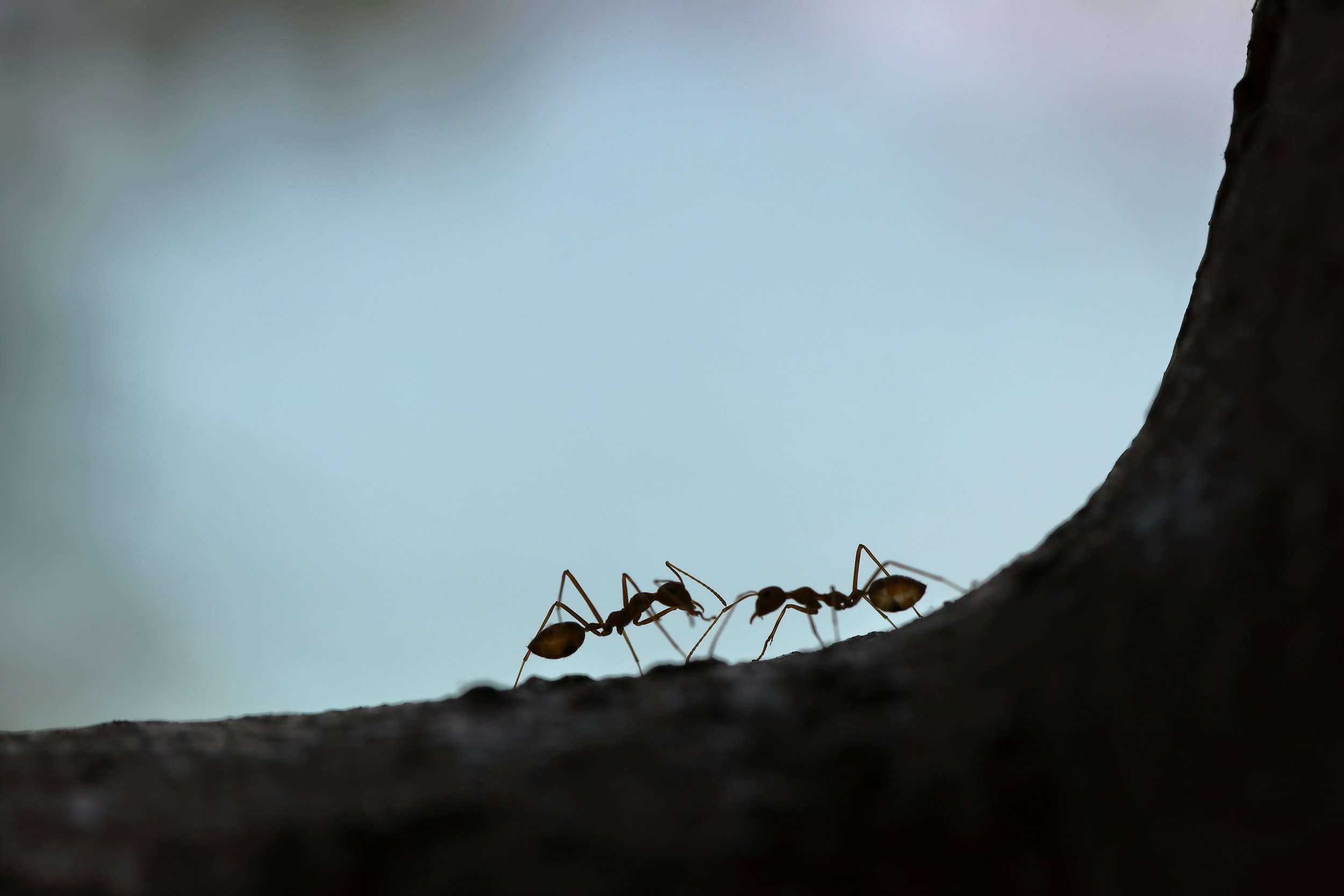
Short answer: Take away their food, their water and their way in.
Real answer: Bait the ants, vacuum the spiders and trap the rodents. Then seal the gaps they used. Call a licensed pro for big black ants, heavy rodent signs or a nest you can’t reach.
Seattle pest finder
What’s bugging you? Get your plan
Pick the pest, how much of it you see and where you live. You get who should handle it, what to start with, what to skip, whether it’s in season this month and a short list to tick off. Nothing you pick leaves this page.
Its year in Seattle
Your short list
A planning aid, not a pest inspection. Sources: WSU Extension (odorous house ants, carpenter ants, yellowjackets), Burke Museum (house spiders), Public Health – Seattle & King County and CDC (rodents), Washington Department of Health (wasps, mosquitoes), EPA (Bti), OSU Extension (slugs), University of Kentucky (fruit flies), Seattle SDCI (rentals) and RCW 64.06.020 (Form 17). Months are shown only where a source gives them; a blank year means the pest has no set season. Always read and follow the product label.
I was prior military and fire service, but I won’t pretend I’m tough when it comes to bugs. So to keep people from hearing me shriek before crying, I do these things to keep my home bug controlled. Let’s go pest by pest.
Same thing, other names: pest control, bug proofing, pest proofing, DIY pest control, exterminator. People also search each pest by name: sugar ants, house spiders, rats, wasps, fruit flies.
Start here
Why bugs come inside your Seattle house: food, water and a way in
Three things every pest wants
Most pest issues aren’t signs of a “problem house.” They’re signs of food, moisture and access.
Take away one and you slow them down. Take away all three and the bugs move on.
Seal before you spray
So start outside. Public Health – Seattle & King County says to keep bushes and branches at least 3 feet from the house.
Stack firewood 18 inches off the ground and away from the walls. Fix the door sweep. Patch the screens.
Then deal with the pest in front of you. Sprays come last, if at all.
- 1Branches within 3 ft of the roof
- 2Crawl space vent torn screen
- 3Door gap no sweep
- 4Window torn screen, gaps in the trim
- 5Standing water under the downspout
- 6Firewood stacked against the house
Ants
Ants: bait them, don’t spray them
Tiny ants in the kitchen
If ants have found your house, it’s because one of them texted the group chat.
In Seattle, the tiny ones are usually odorous house ants. People call them sugar ants. WSU Extension says workers are 1/16 to 1/8 inch and smell like blue cheese when crushed.
How to win with bait
Timeframe Bait takes 2 weeks or more to end a colony (WSU). Start in February, before ants are fully active.
Skip the loud, crumb-filled plastic traps. What works is ant bait. It’s discreet, deadly (to ants) and strategic.
Place a tiny drop where ants are already gathering. If you know where they enter, add a drop there too.
Do not wipe them out right away. Let them take the bait home. The workers feed it to the colony.
Why spraying backfires
WSU says sprays should be used only when necessary. Kill one colony and another often moves into the space.
More ants around the bait at first is normal, says the University of Wisconsin. Keep it fresh until they stop coming.
Big black ants are a different problem
Big black ants are another matter. Carpenter ants are 1/4 to 1/2 inch. They don’t eat wood. They dig it out to nest.
Their mating swarms run April to early June, says WSU. A steady stream indoors needs a licensed pro. More on that below.
Spiders
Spiders: a vacuum, sticky traps and a mint spray
They aren’t out to get you
Spiders aren’t out to get you, but they do enjoy rent-free living.
The Burke Museum says house spiders are no real danger to you, your kids or your pets. They are indoor species, and they live inside all year.
Three ways to evict them
Here’s how to evict them, politely or decisively.
A bagless stick vacuum. Fast, clean and oddly satisfying. Your moral compass, your rules.
Sticky traps. Slide them under beds, behind nightstands and into corners. The Burke Museum says traps and sealing gaps beat pesticide.
My spider mix
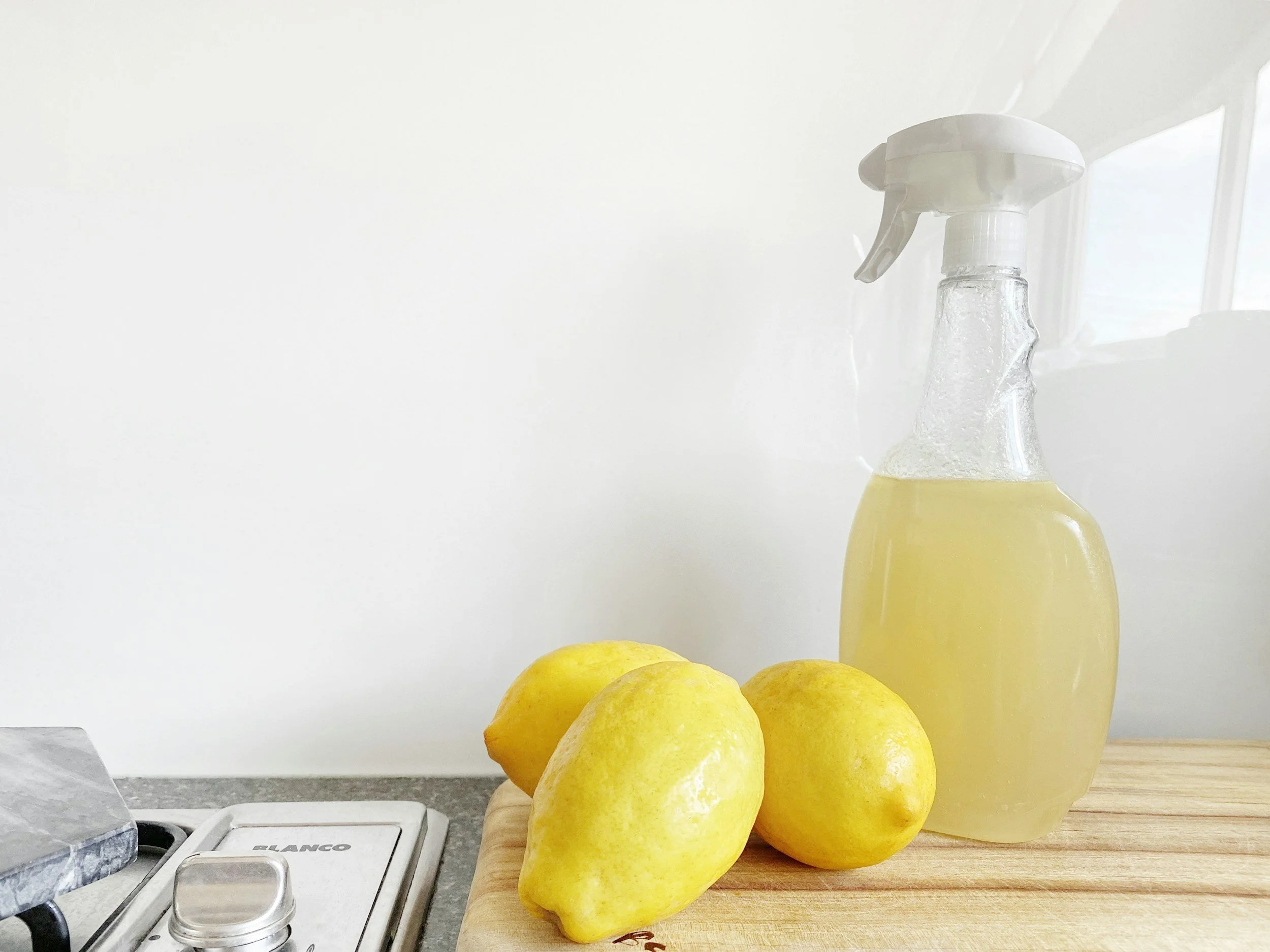
The recipe. One squirt of soap, 10 drops of food-grade mint oil and 10 drops of food-grade citrus oil. Fill the spray bottle with water.
Spray door frames, baseboards, window trim and corners. Work in sections. You are creating a boundary, not fumigating the Louvre.
My spider mix
- Soap1 squirt. Dawn: 2 to 4 drops. Natural soap: a very quick, small squeeze.
- Mint oil10 drops, food grade. Wintergreen in winter, classic mint in summer.
- Citrus oil10 drops, food grade. Lemon in summer, orange in winter.
- WaterFill the spray bottle.
Spray door frames, baseboards, window trim and corners. Keep pets away from the bottle and the wet spray.
Is there proof? Some. A 2018 study found mint oil repelled two of the three spider species it tested. Lemon oil did nothing.
So the mint does the work, and the citrus mostly smells nice. One caution: the ASPCA warns that concentrated essential oils can harm pets. Keep cats and dogs away from the bottle and the wet spray.
Rats and mice
Rats and mice: trap, seal, then clean
Is it normal to have rats in Seattle?
Yes. Public Health calls rats and mice common pests in King County. A rat near your house is not a verdict on your housekeeping.
It is a job, though. Public Health says rodents ruin food, damage property, start electrical fires and carry disease.
Trap first
Public Health says the best trap is the cheap wooden snap trap. Bait it and set it near the droppings.
It does not recommend poison indoors. A poisoned rat can die inside a wall, and you will smell it.
Seal the holes
A mouse fits through a hole the width of a pencil, about 1/4 inch, says the CDC. Check where pipes and wires enter, the crawl space vents and the eaves.
Fill small holes with steel wool and caulk. Cover big ones with metal, hardware cloth or cement.
Clean up the right way
Timeframe Air out for 30 minutes, then soak droppings for 5 minutes before you wipe (CDC)
Do not sweep or vacuum droppings. The CDC says to air the space for 30 minutes and wear gloves.
Soak the droppings with disinfectant for 5 minutes. Wipe them up with paper towels. Bag everything and wash your hands.
- 1Air it outOpen doors and windows for 30 minutes. Leave while it airs.
- 2Soak, don’t sweepGloves on. Disinfectant or bleach mix, 5 minutes.
- 3Wipe, bag, washPaper towels, a closed bin, then soap and warm water.
A rat in the toilet
It happens here. Public Health says to stay calm, keep the lid down, add dish soap and flush. In Seattle, report it at 206-263-9566.
A burrow in the yard that keeps reopening can mean a broken side sewer. My side sewer guide covers that pipe.
Wood pests
Carpenter ants, moisture ants and termites: the ones that cost money
What counts as a wood destroying organism
Washington calls them wood destroying organisms. The Department of Agriculture lists subterranean and dampwood termites, carpenter and moisture ants, certain wood beetles and wood decay.
Around Seattle, I see carpenter ants and moisture ants far more often than termites. Moisture ants nest in damp, rotting wood, so WSU calls them a sign of an older problem.
Who is allowed to say what
A home inspector must report wood rot and conditions that invite pests. But state rules bar an inspector from naming the insect without a structural pest inspector license.
So a report may say “wood destroying insects” and send you to a licensed structural pest inspector. That is the rule working, not the inspector dodging.
Home inspector
- Must report wood rot
- Must report conditions that invite pests
- May say “wood destroying insects”
- May not name the insect
Structural pest inspector
- Licensed by the state Department of Agriculture
- May identify the insect
- Writes the wood destroying organism report
- Report carries an inspection control number
What to do at home
At home, the fix is mostly dry wood. Keep soil and bark off the siding. Move firewood and stumps away from the house.
Keep branches off the eaves and air moving in the crawl space. WSU says many indoor nests are satellites of a parent nest in a stump or log outside.
Wasps
Wasps and yellowjackets
Paper wasp or yellowjacket
Wasps are territorial, not personal. Still not invited.
The state Department of Health sorts them this way. Paper wasps build a small open comb and are rarely aggressive. Yellowjackets hide nests in the ground or in walls, and they raid your picnic.
When to act
Timeframe Nests start in spring, peak in August and September and die out by winter
A queen starts each nest in spring. By August and September the colony is at its largest and most troublesome.
Early in the season, knock down a small open nest at night, when the colony is home and slow. Later, or with a big or hidden nest, call a professional.
Worst monthsActive
Decoy nests
Decoy nests are a popular trick. I found no research that proves they work, so call it a cheap experiment.
Old nests are a different story. The Department of Health says wasps almost never reuse one. Knock them down in winter.
Flies
Fruit flies and house flies
Fruit flies: reset the kitchen
Fruit flies appear because one banana entered a soft phase behind your back.
The University of Kentucky says they go from egg to adult in about a week, and they breed in drains, bottles and trash too.
Reset the situation. Take all produce off the counters. Take out the trash and recycling. Clean your sink drain. This is where they party.
Fruit fly trap
- Apple cider vinegarA splash in a small bowl.
- Dish soapOne drop.
- CoverLoose, so they can get in.
They’ll be gone in a few days, assuming you stop leaving mystery citrus on the counter.
House flies: close the gaps
Flies are opportunists. They follow moisture and food: garbage, wet feed, anything decaying.
Seal window gaps and add door sweeps. A magnetic screen door gives you summer airflow. Stick window traps low and out of sight.
Indoor sprays tend to smell worse than the flies. Physical barriers work better and don’t announce themselves.
Mosquitoes
Mosquitoes
Dump the water
Mosquitoes love standing water and still air.
Dump standing water every week and keep the gutters clear. The Department of Health says to change birdbath and fountain water at least twice a week.
Water you want to keep
For a pond or a rain barrel, use Bti. The EPA says this soil bacterium kills mosquito larvae and has no toxicity to people.
Evenings outside
Use fans on the patio. Mosquitoes are terrible flyers.
For outdoor evenings, I find thermacell-style repellents work well without turning the yard into a citronella candle aisle.
Snails and slugs
Snails and slugs
What works
Seattle’s unofficial pet. Cute in theory. Destructive in practice.
OSU Extension says spring and fall are their busy seasons. Tidy first: they hide under boards, pots and debris by day.
Works
- Iron phosphate bait, scattered thinly
- Copper bands 3 to 4 inches wide on pots and beds
- Beer traps, if you’re feeling old-school and a little medieval
- Watering in the morning, not the evening
Doesn’t
- Salt: it damages soil and plants
- Thin copper tape
- Metaldehyde bait around dogs
- Wishful thinking
What doesn’t
Salt works, but it’s messy and terrible for soil. OSU says to skip it. Thin copper tape often fails too, because slugs arch over it.
And wishful thinking has never worked.
DIY or pro
Do it yourself, or call pest control?
When to call
Most of this list is a weekend job. Three things are not: big black ants indoors, heavy rodent signs and a nest you can’t safely reach.
Public Health defines heavy as piles of droppings, many nests or dead rodents. It says to consult a professional then.
Handle it yourself
- Tiny ants
- Spiders
- Fruit flies and house flies
- Mosquitoes
- Slugs and snails
- One mouse and a few droppings
Call a licensed pro
- Big black ants indoors
- Piles of droppings, nests or dead rodents
- Rodents in the ducts
- A wasp nest that is large, hidden or high
- Anyone in the house allergic to stings
How to pick a company
Ask to see the license. Public Health says every pest company should be licensed with the Washington State Department of Agriculture.
Ask about integrated pest management, or IPM. It uses less poison and more sealing, trapping and cleanup.
What it can cost
From my files: a 2025 attic rat removal and cleanup in a Seattle home ran $4,266 and took two to three weeks.
A small crawl space cleanout bid that year was about $1,800, and I thought it was high. Get more than one bid. My repair cost guide shows how.
Condos and rentals
Condos and rentals: who handles pests
Condos and townhomes
Inside your unit is usually yours. Roofs, siding, shared walls and crawl spaces are often the association’s. Read your declaration, then report early and in writing.
Rentals
Seattle’s housing code says rental housing must be free of insect and rodent infestation. The owner must control pests and can’t charge a renter who didn’t cause them.
State law is narrower. RCW 59.18.060 drops the landlord’s duty during a tenancy for a single-family home, or when the tenant caused it. Have a dispute? Talk to an attorney.
Selling or buying
Selling or buying a home with a pest history
What Form 17 asks
Washington’s seller disclosure, Form 17, has two pest questions. Item 4.G asks if a structural pest or whole-house inspection was done, and by whom.
Item 4.H asks: during your ownership, has the property had any wood destroying organism or pest infestation? Answer what you know. Keep the receipts.
Seller Disclosure Statement (Form 17), section 4: Structural
G. Was a structural pest or “whole house” inspection done? If yes, when and by whom was the inspection completed?
- Yes
- No
- Don’t know
H. During your ownership, has the property had any wood destroying organism or pest infestation?
- Yes
- No
- Don’t know
Wording from RCW 64.06.020. Illustrative layout, not the form itself.
What an inspector can say
A buyer’s home inspector will enter the attic and crawl space where it’s safe. Droppings and damaged insulation go in the report. My home inspection guide covers the rest.
Sellers can find it first with a pre-listing inspection. What to fix and how to present it is in my seller’s guide.
If you’re buying
Buying? Ask for the pest company’s invoice, not just “it was handled.” Look for a warranty and the date.
Then look yourself: branches on the roof, torn crawl space vents, wood touching soil. My buyer’s guide has the touring checks.
FAQ
Frequently asked questions about getting rid of bugs
What is the fastest way to get rid of sugar ants?
Bait, not spray. Put sweet ant bait on their trail and let the workers carry it home. WSU Extension says to expect two weeks or more.
Why do I suddenly have ants in my house?
WSU says odorous house ants start foraging as early as March and move their nests often, sometimes within 21 days. They follow walls and cabinets to food, pet bowls and sweets.
What smell keeps bugs away?
Less than the internet says. A 2018 study found mint oil repelled some spiders and lemon oil did nothing. Sealing gaps works on every pest.
Are house spiders in Seattle dangerous?
The Burke Museum says house spiders pose no significant danger to people or pets. It lists the “dangerous hobo spider” among its myths.
Should I put a house spider outside?
It won’t thank you. The Burke Museum says house spiders are indoor species and probably won’t survive outside.
Is it normal to have rats in a Seattle house?
Rats are common in King County, says Public Health. Owners are expected to remove food and shelter. Trap, seal the holes and trim branches back 3 feet.
Do I need to replace insulation after rodents?
Sometimes. The CDC says insulation soiled with urine or droppings should be bagged and removed. A pest or crawl space company can tell you how much is affected.
Is monthly pest control worth it?
For many homes, sealing and a few traps do the job. I make my own spray. I also pay for regular service on my acre, because it has outbuildings and a chicken coop.
How much does pest control cost in Seattle?
It depends on the pest and the cleanup. In my files, a 2025 attic rat job ran $4,266 and a small crawl space cleanout bid was about $1,800. Get more than one bid.
Who pays for pest control in a rental?
In Seattle, usually the owner. The housing code makes owners control pests unless the renter caused them. State law has exceptions, so talk to an attorney about a dispute.
Do I have to disclose pests when I sell my house?
Form 17 asks if the home had a pest or wood destroying organism infestation during your ownership. Answer what you know and ask your broker or attorney about gray areas.
Can a home inspector tell me if I have carpenter ants?
Only with a second license. Washington rules let a home inspector report “wood destroying insects” in general terms. Naming the insect takes a structural pest inspector license.
What do I do if there is a rat in my toilet?
Keep the lid down, squirt in dish soap and flush, says Public Health. In Seattle, report it at 206-263-9566.
The bottom line
Most pests are after three things: food, moisture and access. Address those and the bugs move on.
Bait the ants. Vacuum the spiders. Trap the rodents and seal the holes. Call a licensed pro for the ones that chew on the house.
If your home feels good to live in, it should also feel good to defend. Be home.
Selling soon? Prep and the 2-week countdown are on how to get your house ready to sell. Fighting slugs in the vegetable bed? See what grows well in Seattle.
Sources
- Odorous House Ant (EB1550E), revised April 2026, WSU Extension
- Odorous house ants fact sheet, WSU PestSense
- Carpenter ants fact sheet, WSU PestSense
- Moisture ants fact sheet, WSU PestSense
- Odorous House Ants, University of Wisconsin Extension
- Spider Myths (house spiders, hobo spiders, pesticide), Burke Museum, University of Washington
- Natural Compounds as Spider Repellents: Fact or Myth? (2018), Journal of Economic Entomology
- The Essentials of Essential Oils Around Pets (June 23, 2022), ASPCA
- Preventing rodents and keeping them away, Public Health – Seattle & King County
- Keep rats out of your toilet and sewer pipes, Public Health – Seattle & King County
- How to Seal Up to Prevent Rodents (April 8, 2024), CDC
- How to Clean Up After Rodents (April 8, 2024), CDC
- Home Inspector Licensing and the Structural Pest Inspector License (FAQ), Washington State Department of Agriculture
- WAC 308-408C-070, Structure (amended, effective August 7, 2026), Washington State Legislature
- RCW 64.06.020, seller disclosure statement (Form 17), items 4.G and 4.H, Washington State Legislature
- Pests (rental housing rules, SMC 22.206.160), Seattle Department of Construction and Inspections
- RCW 59.18.060(4), landlord duties, Washington State Legislature
- Bees and Wasps, Washington State Department of Health
- Public health pests: wasps and bees, Pacific Northwest Pest Management Handbooks
- Mosquitoes, Washington State Department of Health
- Bti for Mosquito Control, U.S. EPA
- Fall and spring are prime times to battle garden slugs, Oregon State University Extension
- ENTFACT-621: Fruit Flies, University of Kentucky Entomology
- ENTFACT-506: How Far Can House Flies Fly?, University of Kentucky Entomology
- My own emails to clients, 2018 to 2025 (spider mix, tree trimming, cleanup, mosquito dunks, costs), Brian Huie