
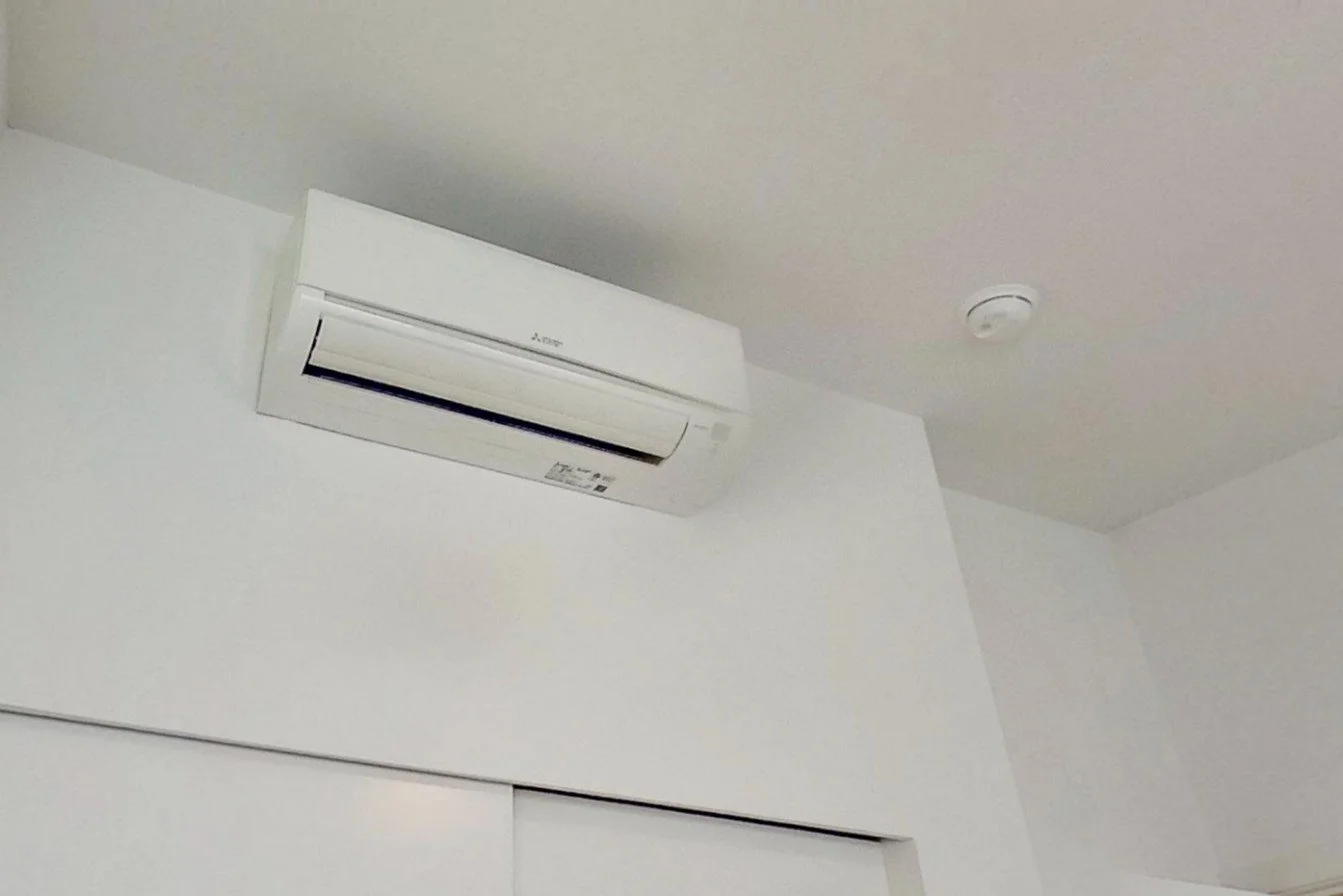
For most Seattle homes heated by baseboards or wall heaters, yes. A mini-split (a ductless heat pump) heats and cools room by room, and City Light says heat pumps cut heating costs 25 to 50% compared with standard electric heat. Typical Seattle bids run about $5,000 to $9,000 for one room and well into five figures for a whole house, before rebates of $300 to $2,400 from City Light or PSE.
Mini-split planner
What a mini-split takes in your home
Tap what you have. The typical bid, your rebates, the permits and your step list update as you tap. Nothing you pick leaves this page.
Heating cost a year, same comfort
Rebates you may qualify for
Your steps
General homeowner information for 2026. Bids are my typical Seattle numbers before rebates; yours will vary. Savings use City Light’s 25 to 50% range for heat pumps vs standard electric heat. Rebates from City Light, PSE and Seattle’s Clean Heat program pages; amounts and funding change, so confirm with your contractor.
I’ve walked hundreds of Seattle homes with clients, and the mini-split is the upgrade I see most often in houses and condos built without ducts. It is also the one people ask me about every heat wave. Here is what it costs, what Seattle requires, and what to check before you sign a bid.
Same thing, other names: mini-split, mini split heat pump, ductless heat pump, ductless mini-split, split system. City Light and PSE call it a ductless heat pump.
How it works
How a mini-split heats and cools a Seattle home
A mini-split has two halves. An outdoor unit sits on a pad or a wall bracket, and one or more indoor heads hang high on the wall. A pair of insulated copper lines, a drain line and a power cable run through a hole about the size of a fist to connect them.
In winter it pulls heat out of the outside air and moves it in. In summer it runs the other way. No ducts, no flame, and each head has its own remote, so the bedroom can sleep cool while the living room stays warm.
- 1Outdoor unit on a pad, 3 ft or more from the lot line
- 2Line set: two copper lines, a drain and a power cable
- 3Indoor heads, high on the wall, one per zone
- 4Each head has its own remote or app
One outdoor unit can run one head (a single-zone system) or several (multi-zone). On most multi-zone systems every head has to be in the same mode, heat or cool, at the same time. A small but useful thing to know in October.
Is it worth it
Is a mini-split worth it in Seattle?
It depends on what heats the house now. The math is best when you are replacing electric baseboards or wall heaters, and weakest when the house already has newer ducts.
Strong fit
Baseboards, wall heaters, oil
- No ducts to work with
- Heating bill drops (City Light: 25 to 50% vs electric heat)
- You gain cooling
- Rebates are biggest here
Compare both
Electric furnace with ducts
- Ducted heat pump can reuse the ducts
- Ductless avoids leaky old ducts
- PSE pays for either one
Maybe
Newer gas furnace with ducts
- A ducted heat pump is often simpler
- Heads can still cool a hot upstairs
- See the gas guide for running costs
| Mini-split | Ducted heat pump | Gas furnace | Window or portable AC | |
|---|---|---|---|---|
| Heats the house | Yes, room by room | Yes | Yes | No |
| Cools the house | Yes | Yes | Only with added AC | One room |
| Needs ducts | No | Yes | Yes | No |
| Main rebates in 2026 | City Light, PSE, Clean Heat | City Light, PSE | None for gas | None |
| Noise outside | Low; usually no noise review | Louder; side yards get a review | Furnace vent only | Indoors, in the window |
If you have ducts and a gas furnace, a ducted heat pump may be the cleaner swap; the running-cost comparison lives in my natural gas guide. If you only want cooling for a few hot weeks, a mini-split still works, but most of the rebates below go to homes replacing their main heat.
“I personally like having two systems, one for heating and one separate for cooling,” is what I told a homeowner in the July 2024 heat wave. For a house with a good furnace and poor upstairs vents, a couple of heads upstairs was the cheaper fix than replacing everything.
Cost
What a mini-split costs in Seattle
The number of heads drives the price more than anything else. Each head adds equipment, a line run and labor. These are the bids I see on Seattle homes, before rebates:
Two real 2025 comparisons from a Greenwood house: mini-splits upstairs and in the main-floor bedrooms came to about $15,000, and a central heat pump with a new air handler replacing the furnace was roughly $20,000.
What pushes a bid up: more heads; long or tricky line runs through finished walls in a 1920s house; ceiling cassettes or concealed ducted heads instead of wall units; an electrical panel that needs a new circuit or an upgrade; and access (a tight side yard, a roof, a fourth-floor condo).
Rebates
Rebates in 2026: City Light, PSE and Seattle’s Clean Heat program
$300–$600
Seattle City Light
Instant discount on the contractor’s invoice for a qualifying heat pump: $300 at HSPF2 8.1, $400 at 8.5, $600 at 9.5. Any old heat type. Do-it-yourself installs don’t qualify.
Program page$1,500 ($2,400)
PSE electric
Replacing electric baseboards, wall heaters, radiant or an electric furnace. $2,400 if your income qualifies. Single-family only; installed by a PSE Trade Ally or Recommended Energy Professional; for zonal heat the new system must be fully ductless.
Program page$4,000
PSE gas to heat pump
Income-qualified PSE gas customers switching from gas heat to a heat pump. Single-family homes.
Program page$2,000–$6,000
Seattle Clean Heat (oil)
Seattle homes heated with oil: $2,000 instant rebate on a qualifying Mitsubishi Electric heat pump through a participating contractor, plus $4,000 at 81 to 150% of area median income (installs done by May 30, 2027). Lower incomes may qualify for a free conversion.
Program pageThe federal tax credit is gone: the IRS lists the heat pump credit for property placed in service through December 31, 2025. Anything you read about “30% back, up to $2,000” is out of date.
In practice your contractor applies the City Light and Clean Heat money right on the invoice, so ask about it in the bid, not after.
Layout
A head in every room, or just the main rooms?
This is the design choice that moves the price most. A head in every room is the most comfortable and the most expensive. Heads in the main rooms only, with small wall heaters kept or added in the other rooms, costs less.
“It’s very common to see only a mini-split in your primary suite and one in the living room,” is how I put it to a buyer in 2023. I keep a heater in every room of my own house and almost never turn them on, because I leave the doors open.
My advice: ask each installer’s designer for both layouts, priced side by side. Then you’re choosing comfort per dollar, not guessing.
Permits and noise
Permits, placement and noise in Seattle
In Seattle a mini-split is not a weekend project. The city requires a refrigeration permit for any split-system heat pump, and only a licensed refrigeration contractor can get one. Add an electrical permit, which Seattle requires any time wiring is installed or extended. The contractor pulls both, and an inspector checks the work before it’s covered and again at the end.
Where the outdoor unit goes matters as much as which one you buy. Seattle limits a heat pump to 45 decibels at the property line, day and night. Outdoor units in a side yard get a noise review, and the city fails the review if its predicted level at the line is above 47. Ductless systems usually skip the review unless a neighbor complains.
The 3-foot rule: heat pumps can sit in a required setback as long as they’re at least 3 feet from every lot line (my setbacks guide has the rest). A tight 3-foot side yard is exactly where the noise limit bites, so the front or back yard is usually the better spot.
Condos and HOAs
Condos and HOAs: what the board can and can’t say
Washington law, RCW 64.90.580, says an association can’t effectively prohibit or unreasonably restrict a heat pump inside your unit. It can set reasonable rules, require an application and approval for anything on the common elements, and ask you to use an HVAC contractor who knows how to install one.
Key details: the board has to decide in writing, an application not denied within 60 days is deemed approved, and the association can’t charge a fee for the installation itself. You pay to install, maintain and, if needed, remove it.
In July 2026 a buyer of mine asked about air conditioning in an eight-unit Capitol Hill building. The HOA president’s answer was the typical one: fine, as long as the board approves it and the contractor is licensed, insured, bonded and has a plan for going through the building’s cladding. Some downtown buildings still don’t allow it, so ask before you write an offer that counts on it.
Maintenance
Keeping a mini-split happy
Mini-splits are low maintenance, not no maintenance. The washable filters behind each head’s front panel clog fast, and a dirty one can shut a unit down. A clogged drain line is the classic failure: water down the wall under the head.
My schedule: rinse or vacuum the filters monthly, and have a pro service the system in spring and fall when it does both heating and cooling. Fall matters most, since heating season is when a heat pump works hardest. Expect roughly $100 to $150 per head for a cleaning, more for hard-to-reach units.
For repairs, use a technician certified by your system’s maker; one brand’s parts and controls are very different from another’s. Service plans are the one maintenance plan I pay for myself. Members usually get priority scheduling and a discount on parts and labor, and you won’t forget the cleaning.
Buying or selling
Buying or selling a home with mini-splits
In the standard Washington purchase form (NWMLS Form 21), air conditioning and heating fixtures, and the remotes that run them, stay with the house unless the contract says otherwise. The seller also has to keep heat and other systems working until closing.
For resale, cooling helps. I don’t see a price difference between central air and room-by-room cooling; buyers just want to be cool in August.
One warning from a January 2026 call: a buyer’s new three-head system stopped working. With no installer sticker on the outdoor unit and no permit on file, there was no warranty to call. Permits and paperwork are what make a system warrantable.
Selling a home with mini-splits
- Find the permit and the invoiceBuyers and their inspector will ask who installed it.
- Book a service before listingClean filters and a clean outdoor unit photograph and inspect better.
- Leave every remote and the manualRemotes are included items under Form 21.
- Note the rebate or warranty papersA transferable warranty is a selling point.
Buying a home with mini-splits
- Look for the outdoor unitA listing that says “cooling” can mean a portable unit.
- Check for the installer stickerNo sticker can mean no permit and no warranty.
- Run every head in heat and coolAt the inspection, not after closing.
- Ask for service recordsThen put the system on your own fall schedule.
What an inspector checks is in my home inspection guide, and the seller’s side in pre-listing inspections. What to fix before you list, and how to weigh a system during an offer, is in my seller guide and buyer guide.
FAQ
Frequently asked questions about mini-splits in Seattle
Is a ductless heat pump the same as a mini-split?
Yes. Utilities say ductless heat pump; installers and most people say mini-split. Both mean an outdoor unit plus wall heads with no ducts.
How much does a mini-split cost in Seattle?
About $5,000 to $9,000 for one room, around $12,000 to $14,000 for two or three heads, and $18,000 to $25,000 or more for a whole house, before rebates. Get three bids.
Is a mini-split cheaper to run than baseboard heat?
Yes. City Light says heat pumps lower heating costs 25 to 50% compared with standard electric heating systems like baseboards and wall heaters.
Can I install a mini-split myself in Seattle?
Not legally on your own. Seattle requires a refrigeration permit for any split-system heat pump, and only licensed refrigeration contractors can get one. City Light and PSE rebates also exclude do-it-yourself installs.
Is there still a federal tax credit for heat pumps?
No. The IRS credit covered property placed in service through December 31, 2025. In 2026 the money comes from City Light, PSE and Seattle’s Clean Heat program.
Can my condo HOA say no to a mini-split?
Not outright. Under RCW 64.90.580 an association can’t effectively prohibit or unreasonably restrict a heat pump in your unit, but it can set reasonable rules and must approve work on common elements.
How loud is a mini-split outside?
Seattle allows a heat pump 45 decibels at the property line. Mini-splits usually skip the city’s noise review unless someone complains; larger units in side yards get reviewed.
How many mini-split heads does a 2,000 square foot house need?
It depends on the layout more than the square footage. Many Seattle owners put heads in the living room and primary bedroom and keep wall heaters elsewhere; a head in every room is the luxury version.
Why is my electric bill high with a mini-split?
The usual causes: old baseboards still running alongside it, dirty filters, or heads fighting each other. On most multi-zone systems every head must be set to the same mode.
Do mini-splits hurt resale value?
Not in my experience. Buyers like cooling, and I don’t see a price difference between central air and room-by-room cooling. Keep the permit and service records.
Who invented the mini-split?
Japanese manufacturers developed it. The IEEE’s engineering history milestone credits Toshiba with the first inverter-driven split air conditioners, in 1980 and 1981: the variable-speed design today’s mini-splits use.
The bottom line
If your Seattle home heats with baseboards, wall heaters or oil, a mini-split is usually worth it: lower heating bills, real cooling, and rebates that cover a meaningful slice. Get three bids, ask for two layouts, let a licensed contractor pull the permits, put the outdoor unit where it can breathe, and keep the paperwork. Future you, and future buyers, will thank you.
Sources
- Furnace & Refrigeration Permits & Inspections FAQ, Seattle Department of Construction and Inspections
- Refrigeration Permit, SDCI
- Electrical Permit, SDCI
- Noise FAQ: What can I do if my heat pump is too loud?, SDCI
- Residential Mechanical Sound Level Compliance, Noise Advisory Training 2025, SDCI Noise Abatement Group
- Property setbacks in Seattle (SMC 23.44, effective Jan. 21, 2026), Be Home in Seattle
- Heating and Cooling Your Home: heat pump discounts, Seattle City Light
- Seattle’s Clean Heat Program, Seattle Office of Sustainability & Environment
- Electric resistance to air-source heat pump conversion rebate, Puget Sound Energy
- Moderate-income fuel-switching heat pump rebate, Puget Sound Energy
- Energy Efficient Home Improvement Credit, Internal Revenue Service
- RCW 64.90.580, Heat pumps, Washington State Legislature
- Form 21 Residential Purchase and Sale Agreement, Rev. 2/26 (sample packet), NWMLS
- Milestones: Inverter-Driven Air Conditioner, 1980-1981, Engineering and Technology History Wiki (IEEE)
- Seattle bids and client questions, 2023 to 2026, Brian Huie’s client files