
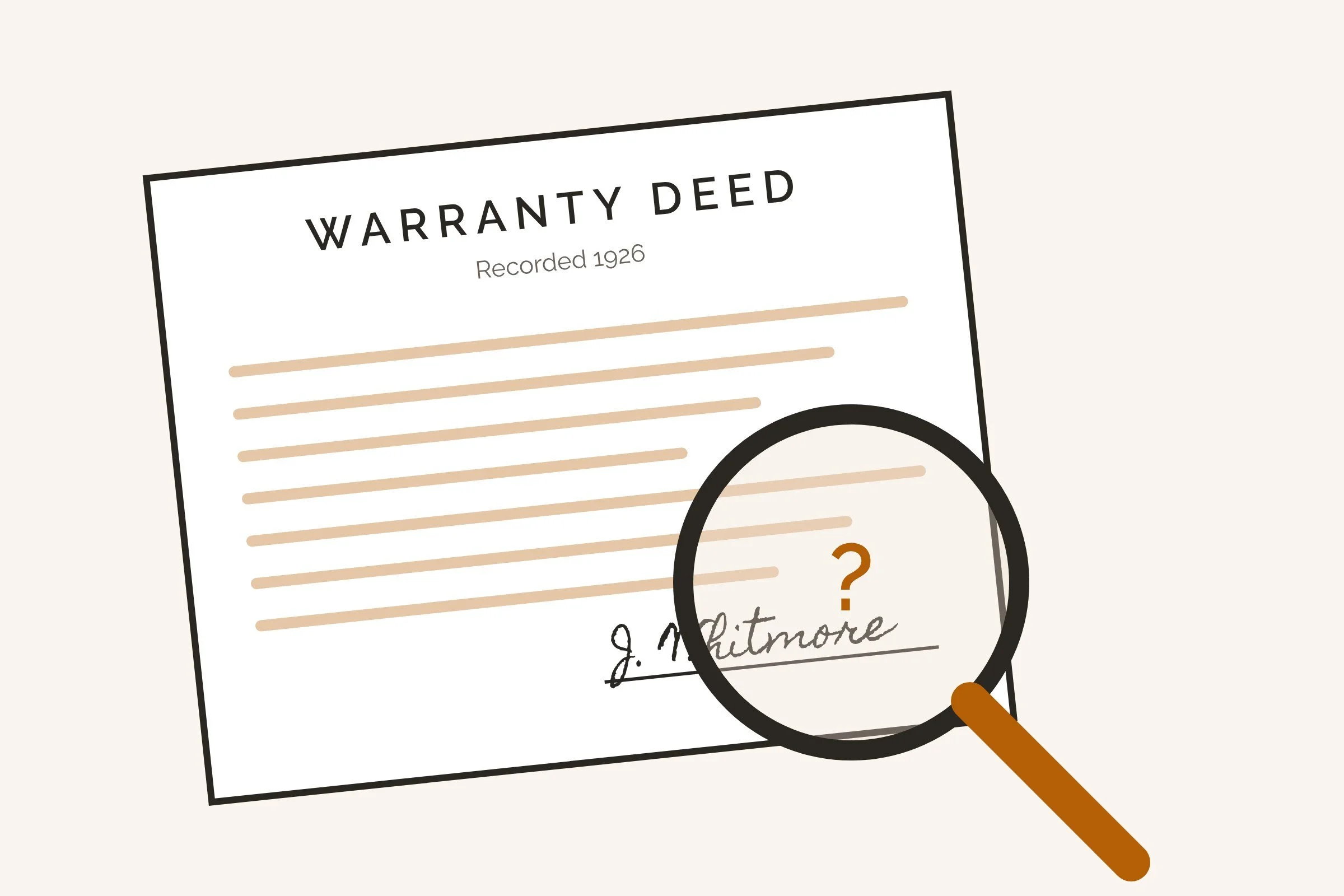
Short answer: Insurance for the past, paid once.
Real answer: Title insurance protects your ownership from problems that started before you bought: a forged deed, a missing heir, an old lien, a filing mistake. You pay once, at closing, and it lasts as long as you own the home. In Seattle the seller usually pays for the buyer’s owner’s policy.
Title insurance cost and coverage checker
What does your title insurance cost, and what does it cover?
Pick your side, the price and the loan. You get the one-time premiums from a filed Washington rate schedule, who pays each one under the standard contract, the sales tax, and what your level of coverage protects. Nothing you enter leaves this page.
Who pays what at closing
Owner’s premium at this price, by coverage level
What your coverage protects
Built-in limits on the homeowner’s policy
Your coverage amount, year by year
Your checklist
An estimate, not a quote. Premiums use Old Republic Title’s filed Washington rates for King, Pierce and Snohomish counties (effective May 8, 2017, and still on its rate sheet); other companies file their own rates, so your quote can differ by a few percent. Sales tax uses Seattle’s 10.55% rate for 2026; your city’s rate may differ. Who pays follows NWMLS Forms 21 and 22D (Rev. 2/26) and can be changed by agreement. Coverage rows summarize the 2021 ALTA policies; your policy’s own terms control.
It’s one of the least understood lines on a closing statement. It’s also the one that steps in when the past shows up at your door. Here’s how it works in Washington, for owners first, then sellers and buyers.
Same thing, other names: owner’s title insurance, owner’s policy, homeowner’s policy (the ALTA Homeowner’s Policy of Title Insurance), title policy. The lender’s version is a lender’s policy or loan policy.
The basics
What title insurance covers: the past, not the future
Insurance for the past
Most insurance looks forward: a fire, a crash, a storm. Title insurance looks back. It covers problems with ownership that already exist on the day you buy.
Before closing, the title company searches the public records. It looks for unpaid liens, breaks in the chain of owners, easements and recorded restrictions. Most issues get fixed before closing.
What it pays for
Some problems never show up in the records. Fraud, filing errors and undisclosed heirs often surface only after a buyer has closed and moved in.
- 1Public records. The title company searches deeds, liens and easements before closing.
- 2Hidden problems. A forged deed, a missing heir or a filing error that no search can see.
- 3Closing day. The policy starts. You pay one premium.
- 4Your ownership. When a past problem surfaces, the policy defends you and pays covered losses.
- 5After you buy. A homeowner’s policy also covers forgery and impersonation after closing.
When a covered problem appears, the policy pays to defend your ownership in court. It also pays covered losses, up to the policy amount.
What it won’t cover
It doesn’t cover the house itself. A leaking roof, a failed sewer line or a fire is home insurance, a home warranty or your own repair budget.
It also won’t cover what the policy lists as an exception. Those live in Schedule B of the preliminary commitment. My guide to reading a title report walks through them.
Two policies
Owner’s policy vs. lender’s policy
The lender’s policy protects the bank
Most financed purchases come with two policies. The lender’s policy protects the bank’s loan, for the life of the loan. It doesn’t protect you.
Your lender will likely require it. The Washington Insurance Commissioner says you may need a new one when you refinance.
The owner’s policy protects you
The owner’s policy protects your ownership and your equity. It runs for as long as you, or your heirs, own the home.
It’s optional by law. But the Insurance Commissioner says most sellers pay for it here, and the standard purchase contract says so too.
Lender’s policy
- Protects the bank’s loan
- Amount: the loan
- Ends when the loan is paid off
- Buyer pays in a Seattle sale
- A refinance usually needs a new one
Owner’s policy
- Protects your ownership and equity
- Amount: the price you paid
- Lasts as long as you own the home
- Seller pays in a Seattle sale
- Optional by law, standard in practice
Coverage
Standard, homeowner’s or extended: the three levels
Homeowner’s: the Seattle default
The standard Washington purchase contract, NWMLS Form 21, calls for the ALTA Homeowner’s Policy. It’s the expanded version, built for one-to-four unit homes and condos.
Its biggest extras: forgery after you buy, neighbor encroachments and some permit and zoning problems. Its coverage also grows 10% a year for five years, to 150%.
Standard: less coverage
NWMLS Form 22D lets buyers and sellers pick less: a standard owner’s policy. It covers the core title risks, mostly the ones found in the public records.
Extended: what a survey would show
Form 22D also allows more: an extended policy, which covers matters only a survey or an inspection of the land would show. The buyer pays the difference and any survey.
The built-in limits
The homeowner’s policy covers four problems only up to a dollar cap. You pay a small deductible first. The tool above shows both at your price.
Cost
What title insurance costs in Seattle
Filed rates, not haggled prices
Washington title insurers must file their rate schedules with the Insurance Commissioner (RCW 48.29.140). The premium depends on the price, the policy and the company.
One example: Old Republic Title’s filed rates for King, Pierce and Snohomish counties. A homeowner’s policy on a $1.35 million home is $2,719, paid once. Other companies file their own rates.
Sales tax on top
Washington charges retail sales tax on title premiums (WAC 458-20-156). In Seattle that’s 10.55% in 2026, so that $2,719 premium carries about $287 of tax.
You can choose the company
The Insurance Commissioner says the final choice of title company is yours. The purchase contract names it in its specific terms.
Owners
For homeowners: refinancing, paying off and finding your policy
Refinancing
A refinance usually needs a new lender’s policy for the new loan, at a refinance rate. You pay it at closing. The title company searches for anything recorded since you bought.
Your owner’s policy doesn’t change. It keeps covering you, so there’s nothing to buy for yourself.
Paying off the loan
Paying off the mortgage ends the lender’s policy. Your owner’s policy stays in force for as long as you own the home.
Forgery after you buy
The homeowner’s policy covers forgery and impersonation that happen after you buy, too. Still, the best defense is early warning: sign up for your county’s free alert. It takes about 10 minutes.
Trusts, heirs and divorce
Moving the home into a living trust? The homeowner’s policy keeps covering it. It also passes to your heirs, and to a spouse who keeps the home in a divorce.
Finding your policy
Your policy came from the title company after closing, by mail or email. Look in your closing papers. The settlement statement names the title company and the policy.
Can’t find it? Call the title company with your address and the escrow or order number. They keep copies.
Driveways and fences
Title insurance doesn’t create rights you never had. A shared driveway or a fence on the wrong line is a property line question first, and a survey answers it.
- Year 0You buyThe owner’s policy starts. One premium, at closing.
- Any yearYou refinanceA new lender’s policy. Your owner’s policy stays.
- PayoffThe loan is goneThe lender’s policy ends. Yours doesn’t.
- LaterYou sell or pass it onYour buyer gets a new policy. Heirs and your trust stay covered.
A past client once asked me how to buy the shared driveway beside her house. We started with her refinance title report, then a survey. Buying a recorded easement is far more common than moving a property line, which can take months or years.
Sellers
For sellers: what you pay and when
What the contract says
Form 21 has the seller pay for the buyer’s homeowner’s policy. The buyer’s lender or the closing agent orders it from the title company the parties chose.
The title company sends the preliminary commitment to the seller, the buyer and both brokers. Liens and your loan payoff come off at closing, paid by escrow from the sale.
When the title can’t be cleared
If the title can’t be made insurable by the closing date, the buyer gets the earnest money back and the sale ends. That’s the buyer’s only remedy under the form.
One fine-print item: if the seller ordered title early and the buyer won’t use that company, the buyer pays any cancellation fee.
Seller’s side
- Owner’s policy for the buyer: $2,719
- Sales tax on it: $287
- Loan payoff and any liens, paid by escrow
Buyer’s side
- Lender’s policy on a $1,080,000 loan: $1,263
- Sales tax on it: $133
- Extended coverage upgrade, if chosen
Buyers
For buyers: what to check before closing
Read the preliminary commitment
The preliminary commitment arrives after mutual acceptance. Read every exception. My title report guide shows what each one means.
Your side pays for the lender’s policy if you have a loan. It’s one line in your buyer closing costs.
Extended coverage
Want extended coverage? Agree to it in Form 22D at the offer. You pay the extra premium, plus a survey if the title company requires one.
Paying cash
With cash, there’s no lender’s policy. You still get the owner’s policy, and the seller still pays for it under Form 21.
- At the offerPick the coverageForm 21 means homeowner’s. Form 22D changes it.
- After mutualThe commitment arrivesIt lists what won’t be covered.
- Before closingClear the problemsLiens paid, names fixed, papers signed.
- After closingThe policy arrivesKeep it with the deed.
FAQ
Frequently asked questions about title insurance in Washington
Is title insurance required in Washington state?
The owner’s policy is optional by law. Your lender will require a lender’s policy for the loan. In Seattle sales, the seller usually pays for the buyer’s owner’s policy anyway.
Is title insurance a one-time fee?
Yes. You pay one premium at closing. There are no renewals, and the owner’s policy lasts as long as you or your heirs own the home.
Do I need title insurance if I pay cash?
There’s no lender’s policy with cash, but you still want the owner’s policy. Under the standard Washington contract, the seller pays for it.
Do I need new title insurance when I refinance?
Your lender needs a new lender’s policy, at a refinance rate. Your owner’s policy keeps covering you, so you don’t buy a new one.
Does title insurance transfer when I sell?
No. Your buyer gets a new owner’s policy, usually paid by you. Yours keeps covering the title warranty you gave in your deed.
How much is title insurance in Washington?
It depends on the price, the policy and the company. On Old Republic’s filed rates, a homeowner’s policy is $2,287 at $1 million and $2,719 at $1.35 million, plus sales tax.
Is title insurance worth it?
For a one-time premium of a fraction of a percent, it defends your ownership and pays covered losses. Defending your ownership in court on your own would cost far more.
What’s the difference between title insurance and homeowners insurance?
Title insurance covers who owns the home, for problems from the past. Homeowners insurance covers the house and your stuff, for future damage like fire or theft.
Can I choose my title insurance company?
Yes. The Washington Insurance Commissioner says the final choice is yours, even when a lender or broker recommends one.
The bottom line
Title insurance is a one-time premium that defends your ownership against the past. In Seattle the seller usually buys it for the buyer, and it lasts as long as you own.
Read the commitment before closing. Keep the policy after it. And let your county watch the records for you.
Next: how to read the title report, or free county property fraud alerts. More in my buyer’s guide: from accepted offer to keys.
Sources
- Washington Office of the Insurance Commissioner, Title insurance, owner’s vs lender’s policy, refinances, paid once, most sellers pay, you can choose the company
- NWMLS Form 21, General Term e, and Form 22D, item 1 (Rev. 2/26 samples), seller pays the homeowner’s policy; standard and extended options; buyer pays the extended excess and survey
- Old Republic Title, Washington State Rates, King, Pierce and Snohomish counties (10/2023), premiums by amount; title rates effective May 8, 2017; subject to sales tax
- Old Republic National Title Insurance Company, Schedule of Fees and Charges for Washington (May 8, 2017), homeowner’s, standard, extended, lender’s, refinance and new construction rules
- Old Republic Title, Coverage Comparison: 2021 ALTA Owner’s Policy vs. Homeowner’s Policy, covered risks, post-policy forgery, encroachments, 150% coverage
- RCW 48.29.140, title insurers file their rate schedules with the Insurance Commissioner
- WAC 458-20-156, retail sales tax on title insurance premiums
- Washington Department of Revenue, King County local sales tax change, Q1 2026, Seattle combined rate 10.55%
- ALTA Homeowner’s Policy of Title Insurance with Washington modifications (07/01/2021), deductibles and caps for covered risks 16, 18, 19 and 21; coverage growth in Condition 10