
Seward Park
Moving to Seattle? What is Seward Park like?
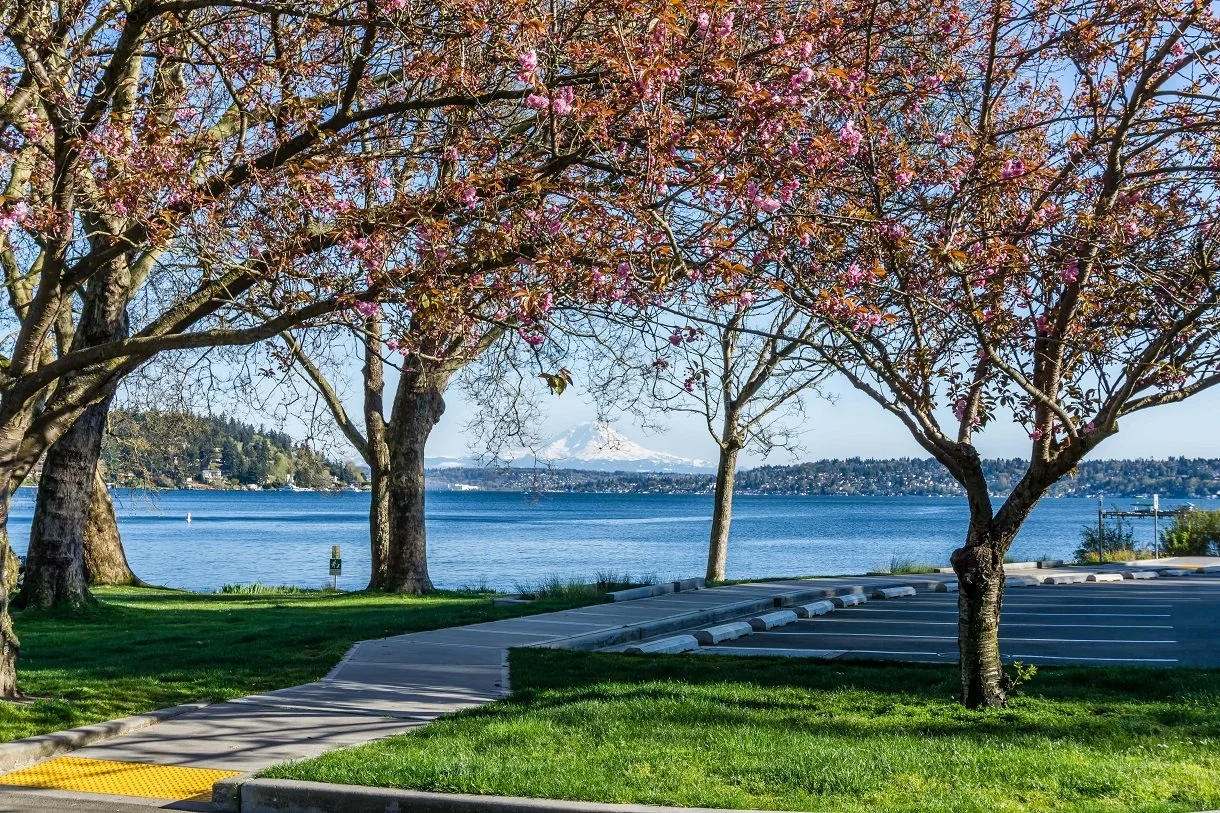
Seward Park in southeast Seattle is a treasure on the shores of Lake Washington. It offers a nature-focused lifestyle that Pacific Northwest buyers will appreciate. The area features a striking 300-acre old-growth forest and a beautiful 2.4-mile bike and walking loop around the Bailey Peninsula. Public spaces include clean beaches, miles of hiking and biking trails, picnic spots, boat launches, and the popular Seward Park Audubon Center right by the water. All of this is set against views of Lake Washington and Mt. Rainier.
In the neighborhood, you’ll find a mix of charming, historic Craftsman homes and stylish mid-century estates. Quiet, tree-lined streets make it easy to access Columbia City’s boutique cafés and restaurants, as well as excellent local schools. This combination offers both a peaceful retreat and convenience just minutes from downtown Seattle.
It’s a place where comfort meets nature and community living blends with everyday adventure.
What’s around the Seward Park neighborhood?
EXPLORE
-
If you’re considering Seward Park, start by exploring the 300-acre peninsula with its 2.4-mile lakeside loop, miles of forested trails, old-growth Douglas firs, and frequent Bald Eagle sightings that deliver true Pacific Northwest wilderness within the city. Visit the Seward Park Audubon Center for bird-watching and seasonal nature programs, then head to Andrews Bay and the quieter shoreline for kayaking, paddleboarding, or lakeside downtime. Tucked into the woods, the native plant garden and art studio offer a serene escape, while forest hikes and Lake Washington sunsets make this neighborhood a standout for memorable weekend exploration.

DINE
-
If you’re exploring Seward Park’s food scene, start with Pizzutos for handmade Italian fare and Both Ways Cafe for an easygoing, local brunch. Mama Sambusa Kitchen brings East African comfort food, while Kebena Restaurant and Bar is a go-to for Ethiopian cuisine, and Black & Tan Hall and Island Soul offer casual drinks and bold Caribbean flavors. For something more refined, Archipelago stands out for refined Pacific Northwest dining, together capturing the neighborhood’s diverse and distinctive culinary character.

SHOP
-
Seward Park is primarily residential, with a small but convenient mix of local shops along Rainier Avenue that add everyday charm. Seward Park Market and Noah’s Grocery cover quick essentials, while larger grocery runs are easy at PCC Community Markets in nearby Columbia City or at Safeway close by. For boutique and specialty shopping, Rainier Avenue offers a handful of independent shops, and the lively Columbia City district just west provides a broader selection of unique local retailers within a couple of miles.
Where is Seward Park?
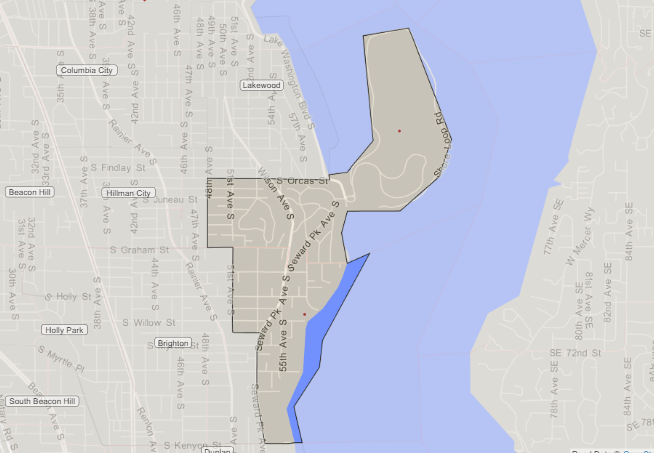
North of Dunlap
East of Hillman City
South of Lakewood
West of Mercer Island

Downtown Seattle: 17 min ( 7.9 mi)
SLU: 15 min (8.7 mi)
I-5 Access: 12 min (4.3 mi)
520 Access: 17 min (10.2 mi)
I-90 Access: 10 min (3.6 mi)
Downtown Bellevue: 22 min (13.1 mi)
Is Seward Park safe?
Crime levels vary block by block and change over time, so Brian encourages buyers to review current reports from the Seattle Police Department before choosing a home.

Facts and resources for Seward Park
1. The Neighborhood Shares Its Name with One of Seattle’s Largest Urban Parks
Seward Park refers to the residential neighborhood in southeast Seattle and the 300-acre city park that dominates the area. This park offers unique green space right in the city. It features beaches, forest trails, picnic areas, and art studios.
2. The Land Was Shaped by Ice Ages
Geologically, Seward Park is on Bailey Peninsula, which was formed by ancient glaciers over 13,000 years ago. The peninsula’s drumlin-like shape and unique soil come from this glacial history. There is interesting science beneath the trees and trails.
3. Seward Park Has Deep Historical Roots
Before becoming a city park, the land was called Graham Peninsula. It served as an important hunting, fishing, and gathering area for the Duwamish and other Lushootseed-speaking Indigenous peoples for thousands of years.
4. There’s a Japanese Stone Lantern at the Park Entrance
A taiko-gata stone lantern (tōrō), given by Yokohama, Japan, expresses gratitude for Seattle’s help after the 1923 Great Kantō earthquake. It now welcomes visitors. This hidden cultural landmark is often overlooked by locals.
5. Historic Homes & Quiet Residential Streets
The neighborhood around the park showcases a range of historic home styles, including Craftsman bungalows and mid-century lakeview estates. It features some of Seattle’s peaceful, tree-lined residential streets.
6. A Park with a Century of Memory
Seward Park celebrated its 100th anniversary in 2011 with community festivals that included costume promenades, hydroplane displays, and classic car shows. These events reflect its role as a cultural and social center in southeast Seattle.
Seward Park/ 98118 Demographics and Statistics
Population Growth (since 2000): 3%
Population Density (ppl / mile): 4,401.50
Household Size (ppl): 2
Median Age: 43.66
Annual Residential Turnover: 19%
5+ Years in Residency: 42%
Median Year in Residency: 4.33
Households w/ Children: 30%
Population by Age Group
Household Income by Dollar Range
Highest Education Level Attended
Seward Park Homes For Sale
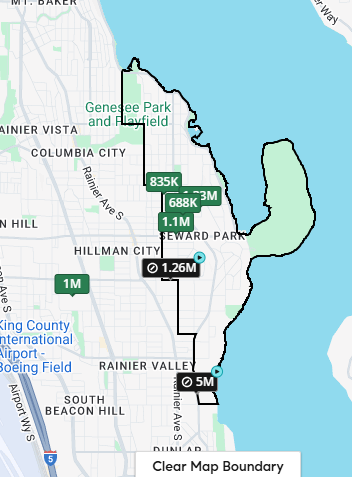
Homes currently for Sale in Seward Park
Q&A with your Seward Park realtor
-
Moving into a condo in Seward Park is an excellent way to buy into a community with a centralized location. Condos are also typically maintenance-free. There are some larger condo buildings and many “boutique” condos where you would/should have a role in maintaining the community. The beauty of these smaller condos is that it’s almost like co-op living - for the most part it’s still maintenance-free where the building is taken care of by whoever your community hires to take care of it, but you decide as a community what you want in the gardens and such. Much less work than owning a house. Seward Park also has a great rental market should you want to rent it out later to upgrade to a larger home.
-
There are many townhomes built in Seward Park compared to places with larger lots. Many newer rowhomes and the like have popped up over recent years. Townhouses here offer low-maintenance living with more room than a condo.
-
Seward Park is a great place for single-family residences, as that’s what most buyers expect here.