
If you smell gas, get outside and call 911 or PSE at 1-888-225-5773. PSE sends a technician to check for a leak at no charge, and in 2025 its crews reached gas emergencies in 32 minutes on average. PSE will also send a technician, free, to diagnose a gas furnace, water heater or pilot light that isn’t working safely; minor repairs on the spot cost a fee.
PSE gas help finder
Who to call, what it costs and what to do next
Tap what’s happening at your home. The answer updates as you tap. Nothing you pick leaves this page.
Your steps
General homeowner information from PSE’s own pages and Washington law as of August 2026. In an emergency, call 911. Programs and fees can change; confirm with PSE when you call.
I’ve made this call myself, from the stairwell of a Seattle condo building I was getting ready to sell. Here’s what PSE does for free, what it charges for, and when the right call is someone else.
Same thing, other names: a PSE gas leak check, a PSE furnace inspection or furnace check, a PSE pilot light relight, PSE’s free gas safety check, or a Puget Sound Energy service technician visit. PSE delivers natural gas in King, Pierce, Snohomish, Thurston, Kittitas and Lewis counties, which covers most Seattle-area homes with gas.
If you smell gas
Smell gas in Seattle? Leave first, then call PSE for a free leak check
Natural gas has no smell of its own. PSE adds the sulfur, rotten-egg odor so you notice a leak. Other signs PSE lists: hissing or roaring, bubbles rising in a puddle, dirt blowing from a hole in the ground, and plants dying for no clear reason.
The order matters. Get everyone out first. Don’t flip a light switch, use a landline or do anything else that could make a spark. Then, from outside, call 911 or PSE at 1-888-225-5773. PSE says it will immediately dispatch a technician to check that the area is safe, at no charge.
That 32-minute average is real, but it’s an average. When I called about a smell in a condo stairwell in August 2026, PSE treated it as an emergency on the spot and told me arrival could take anywhere from one to five hours, depending on other emergencies in the region. Wait outside, away from the building.
Furnace, water heater, pilot light
PSE’s free safety visit for a gas furnace, water heater or pilot light
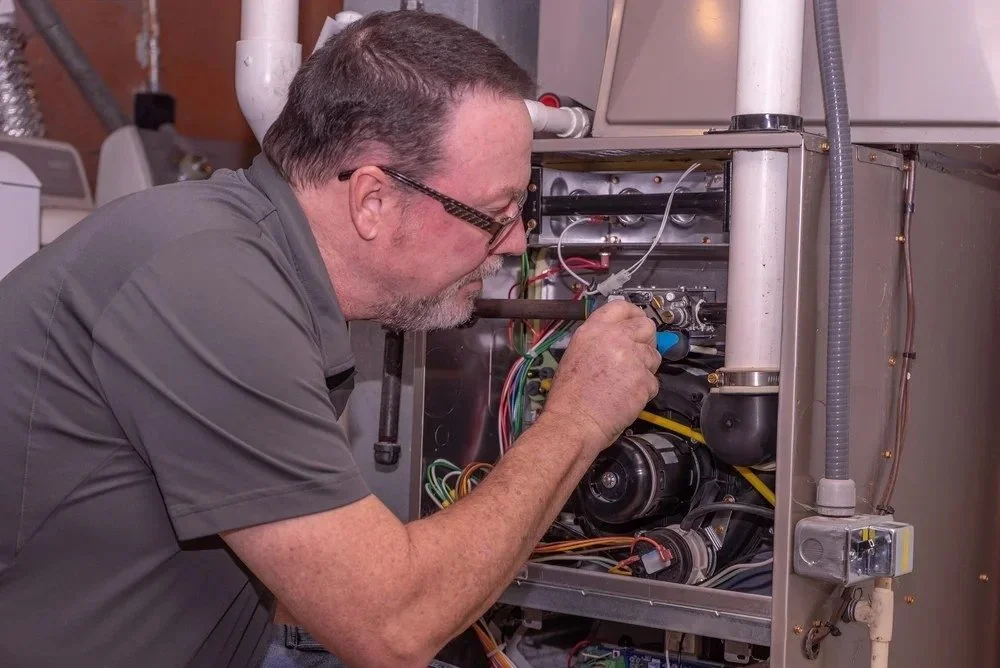
This is the part most homeowners don’t know. If you think your gas furnace, water heater or another gas appliance isn’t working safely, or a pilot light keeps going out, PSE will send a natural gas service technician to diagnose the problem for free. You call 1-888-225-5773 and schedule it.
The technician’s job is safety and diagnosis. Depending on what they find, they can make minor repairs on site for a fee. PSE also says that if your pilot light goes out and you’re unsure about relighting it, call. That’s exactly what the visit is for.
- 1Call PSE at 1-888-225-5773 and describe the problem: which appliance, what it’s doing, any smell.
- 2Pick a morning or afternoon window. These diagnostic appointments are covered by PSE’s service guarantee.
- 3Be home and clear a path to the furnace, water heater and gas meter.
- 4The technician does an on-site investigation and tells you whether the appliance is safe to run.
- 5Minor fix on site for a fee, or a bigger job for your own heating contractor or plumber.
If PSE misses a scheduled diagnostic appointment, its gas tariff (Schedule 130) credits your account $50. The guarantee doesn’t apply during storms, earthquakes and other events beyond PSE’s control.
What it isn’t
What PSE’s free visit doesn’t cover: tune-ups, bigger repairs and new equipment
Think of PSE’s visit as a safety check, not a service plan. PSE itself tells customers to have the furnace inspected every year according to the manufacturer, to check filters monthly and to keep paint thinner, gasoline and solvents away from the furnace and water heater. The yearly inspection is a job for a heating contractor.
PSE, free
No charge
- Gas leak checks
- Diagnosing an appliance that isn’t working safely
- Pilot light problems
- Sewer cross bore check before a clog is cleared
PSE, for a fee
Charged on site
- Minor repairs the technician can make that day
Your contractor
You hire them
- Yearly furnace inspection and tune-up
- Bigger repairs and parts
- Replacing a furnace or water heater
- Installing a seismic gas shutoff valve
Anything past a minor fix is yours to hire out. In Seattle, replacing a furnace needs a permit, so ask whoever installs it to pull one. For whether to keep, replace or switch a gas appliance, and what each costs to run, see my natural gas guide.
Carbon monoxide
Carbon monoxide: the gas you can’t smell, and where alarms go
Natural gas gets an added smell. Carbon monoxide doesn’t. It forms when a fuel-burning appliance runs without enough oxygen, and it has no color, taste or smell. Headache, dizziness, fatigue, weakness, confusion and nausea are the signs PSE lists. If you suspect it, get outside and call 911.
Once everyone’s safe, the appliance that caused it qualifies for PSE’s free on-site investigation. PSE’s alarm advice: put carbon monoxide alarms by bedroom entrances, in common areas and near fuel-burning appliances, with at least one on every level. Never run a gas grill or generator indoors, and never open a gas oven to heat the house.
- 1Outside each sleeping area
- 2In the main living area
- 3Near the furnace and water heater
- 4At least one on every level
Lesser-known help
Three more PSE services most Seattle homeowners never hear about
A free sewer check before you clear a clog. In neighborhoods where gas lines were installed by boring instead of trenching, a gas line can pass straight through a sewer pipe. That’s called a cross bore, and a plumber’s cutting tool can hit it. Before anyone puts a cutting tool into a blocked sewer or septic line, call PSE at 1-888-225-5773 and a technician will meet you, for free, to check. If you got a postcard from Hydromax USA, PSE’s inspection partner, its camera check takes about 90 minutes.
- 1Copper: Gas line, bored through the ground
- 2Grey: Sewer line, house to street
- 3Circle: The cross bore
- 4Camera: What the free inspection sends down the pipe
A free 811 locate before you dig. Call 811 at least two business days before any digging and the utilities mark their buried lines at no cost. The catch: lines you own aren’t theirs to mark. Gas pipe from your meter to a detached garage, hot tub, pool heater or grill is yours, so hire a private locator for those, and inspect them now and then for wear and corrosion.
Resetting a tripped earthquake valve. Some owners add a seismic shutoff valve on their side of the meter so gas stops on its own in a strong quake. They can also trip from other vibration. PSE doesn’t install or maintain them, but after one trips it will inspect your appliances and piping and reset the valve.
Your gas meter
Shut off the gas only if you smell, see or hear a leak
PSE is blunt about this: there’s typically no reason to shut off gas at the meter, even after an earthquake, unless you smell, see, hear or suspect a leak. Once it’s off, only PSE can restart it, and after a big quake that wait could be long.
If you do need to: the shutoff valve is usually the first fitting on the supply pipe coming out of the ground next to the meter. Turn the lever a quarter turn with a wrench so it sits crosswise to the pipe. Then leave it off and call PSE.
Homes whose gas service was installed or upgraded after 2006 mostly have an excess flow valve, which restricts gas automatically if the service line is damaged. PSE’s earthquake advice also includes strapping the water heater to a wall stud and using flexible connectors on gas appliances.
Condos and shared buildings
In a condo building, call about a gas smell anyway
A smell in a hallway or stairwell is easy to dismiss as someone else’s problem. Call anyway. In August 2026, while getting a vacant Seattle condo ready to list, I caught a sulfur whiff near the top of a stairwell, the same smell added to natural gas. PSE treated it as an emergency, asked how its technician would get into the building, and I gave them the lobby code.
The technician’s meter checked the garage, the stairs, the roof vents and the hallway outside every unit. No gas anywhere. He smelled sewer gas instead and sent us to a plumber, and the association took it from there. A free visit that ruled out the dangerous answer.
Real PSE crews carry photo ID badges, wear labeled clothing and drive marked vehicles. PSE says its contractors don’t routinely enter homes during standard gas system inspections; they come inside by appointment or to relight equipment after a shutoff.
Buying or selling
Buying or selling a Seattle home with gas: where PSE fits
Most gas questions in a sale have nothing to do with PSE. Two lists cover what does. Strategy on timing repairs, inspections and negotiation stays in my client guides for sellers and buyers.
Selling a home with gas
- Carbon monoxide alarms before the buyer moves inRequired of the seller by RCW 19.27.530
- Furnace and water heater service recordsBuyers and inspectors ask
- Relight the gas fireplace pilot if you turned it off for summerThe steps are often on a card behind the lower access panel
- Anything running oddly? Book PSE’s free visitKnow it’s safe before buyers walk through
Buying a home with gas
- Start PSE gas service in your name for closing daySee my moving checklist
- Look for a rental label on the water heaterPSE’s leases moved to Grand HVAC Leasing on Dec. 1, 2020
- Save 1-888-225-5773 in your phoneLeaks and pilot problems, day or night
- Something seems off after move-in? Call PSEThe diagnostic visit is free for the customer
FAQ
Frequently asked questions about PSE’s free gas checks
Does PSE charge to check for a gas leak?
No. If you suspect a leak, PSE dispatches a technician to check that the area is safe at no charge. Leave first, then call 911 or PSE at 1-888-225-5773.
Does PSE check furnaces for free?
Yes, when you think the furnace isn’t working safely. PSE’s diagnostic visit is free; minor repairs on site cost a fee. It isn’t a yearly tune-up, which is a job for a heating contractor.
Will PSE relight my pilot light?
If a pilot light keeps going out or you’re unsure about relighting it, PSE says to call and schedule a technician to diagnose it for free. After a meter shutoff, PSE relights your appliances when it turns the gas back on.
What is PSE’s gas leak phone number?
1-888-225-5773, answered 24 hours a day. You can also call 911. Call from outside, not from the house.
How fast does PSE respond to a gas leak?
In 2025 PSE’s crews arrived at gas emergencies in 32 minutes on average, under its 55-minute benchmark. A busy night can mean a longer wait.
Is a gas smell in a condo hallway worth reporting?
Yes. PSE treats a suspected leak as an emergency wherever it is. Have the building’s door or gate code ready so the technician can get in.
What if PSE misses my appointment?
PSE credits your account $50 for a missed diagnostic appointment under its Schedule 130 service guarantee, except during storms, earthquakes and other events beyond its control.
Can I turn my gas back on after shutting it off?
No. Once the gas is off at the meter, only PSE turns it back on. It will check the system and relight your appliances.
Does PSE install earthquake shutoff valves?
No. Seismic shutoff valves sit on the customer’s side of the meter and are yours to buy and maintain. If one trips, PSE inspects your appliances and piping and resets it.
Who fixes a rented water heater?
Not PSE anymore. PSE moved its water heater leases to Grand HVAC Leasing on December 1, 2020, after state regulators approved the sale. Call the leasing company on your bill.
How do I know a PSE technician is real?
Look for a photo ID badge, clothing with the PSE or contractor logo and a marked vehicle. If you’re unsure, call PSE at 1-888-225-5773 before letting anyone in.
Is PSE my gas company in Seattle?
For most Seattle-area homes with gas, yes. PSE delivers natural gas in King, Pierce, Snohomish, Thurston, Kittitas and Lewis counties. Some homes use propane instead; your bills tell you which.
The bottom line
PSE’s free help comes in two kinds: an emergency leak check you get by leaving and calling, and a scheduled safety visit for a furnace, water heater or pilot light that isn’t right. Neither replaces a yearly tune-up. Save 1-888-225-5773 in your phone today, put a carbon monoxide alarm on every level, and let PSE be the first call when gas is the question.
Sources
- Natural gas safety, Puget Sound Energy
- Natural gas safety tips (free diagnostic visit, minor repairs for a charge), Puget Sound Energy
- Natural gas leaks, Puget Sound Energy
- Carbon monoxide safety, Puget Sound Energy
- Gas shut-off and excess flow valves, Puget Sound Energy
- Earthquake safety and seismic shutoff valves, Puget Sound Energy
- Sewer cross bores, Puget Sound Energy
- PSE contractor identification, Puget Sound Energy
- How we keep the gas system safe, Puget Sound Energy
- 2025 Service Quality Report Card, Puget Sound Energy
- Gas Tariff Schedule 130, Customer Service Guarantee, Puget Sound Energy
- Customer service guarantees, Puget Sound Energy
- PSE locations and service area, Puget Sound Energy
- Leased services (transition to Grand HVAC Leasing), Puget Sound Energy
- Regulators approve sale of PSE water heater rental service, Washington Utilities and Transportation Commission, 2020
- Call Before You Dig, Washington Utilities and Transportation Commission
- RCW 19.122.030, underground utility locates, Washington State Legislature
- RCW 19.27.530, carbon monoxide alarms, Washington State Legislature
- Furnace permit infographic, Seattle Department of Construction and Inspections