
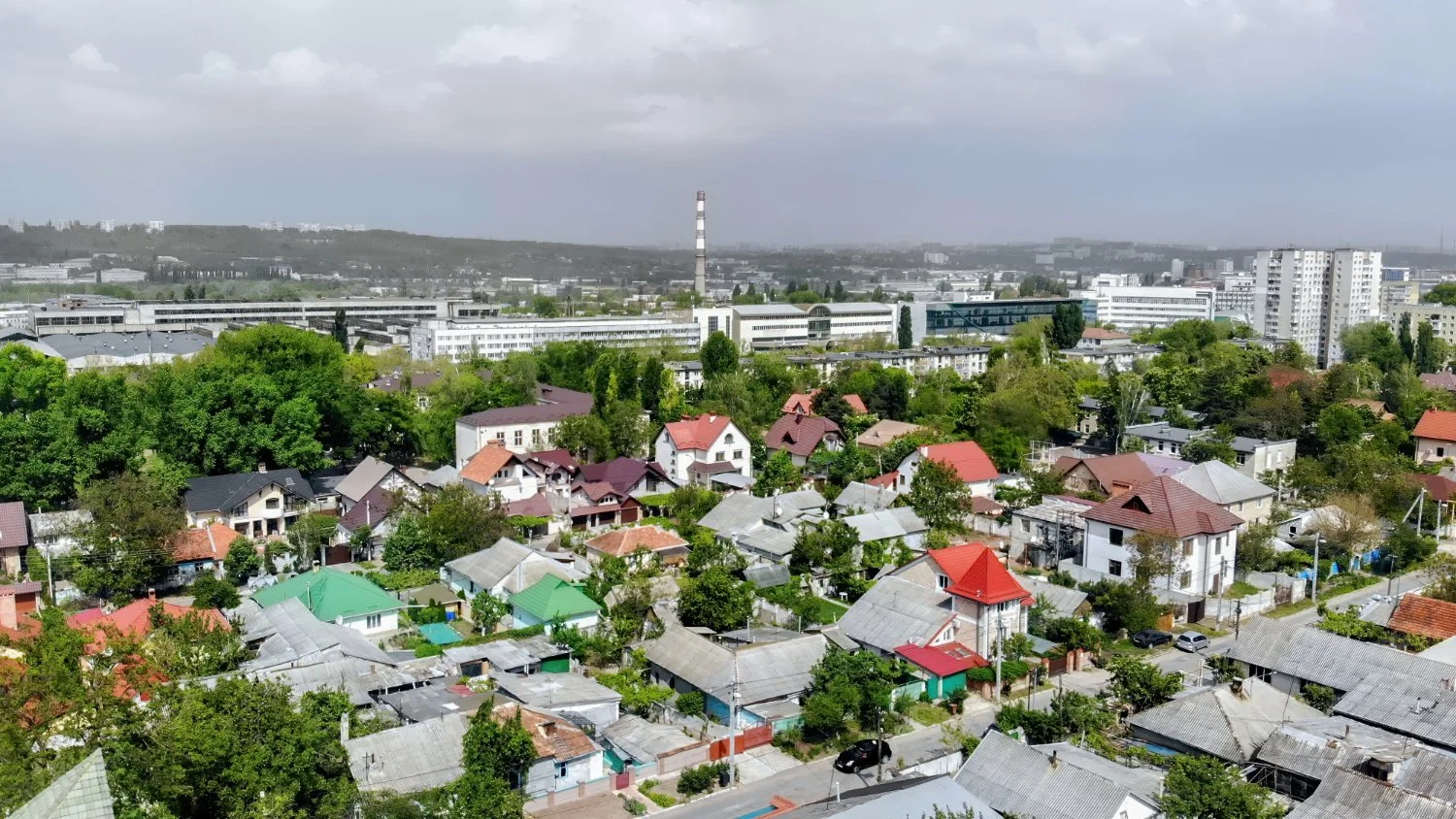
Wedgwood
Moving to Seattle? What is Wedgwood like?
Wedgwood is that rare Seattle address where calm, leafy living and city access strike a near-perfect détente, set in the desirable northeast corridor just minutes from the University of Washington and within easy reach of downtown via major arterials and transit routes. Ravenna Park, Magnuson Park, and Matthews Beach Park anchor the neighborhood’s natural rhythm with forested trails, waterfront access, and expansive recreation, while glimpses of Mount Rainier brighten the everyday backdrop. Dahl Playfield, local library branches, and well-connected transit options define the public realm, offering polished utility without sacrificing charm. Private life here leans equally refined, with a curated stretch of independent cafés, boutiques, and neighborhood institutions along 35th Avenue NE, alongside quiet, tree-lined streets and mid-century homes. The result is a neighborhood that feels intentionally composed and effortlessly livable, with both serenity and easy access.
What’s around the Wedgwood neighborhood?

EXPLORE
-
Wedgwood offers a quieter kind of discovery, where weekend exploring feels both local and unexpectedly rich. Wander the wooded trails of Ravenna Park, unwind at the shoreline of Matthews Beach Park on Lake Washington, or catch a performance at the historic Wedgwood Broiler Theater. For something a bit more offbeat, stroll through Dahl Playfield and nearby green spaces that host casual games and community gatherings, giving the neighborhood its distinctly relaxed, residential charm while still offering plenty to explore just steps from home.

DINE
-
Wedgwood’s dining scene leans local, unfussy, and full of character, with a few standout gems worth seeking out. Try the neighborhood institution Wedgwood Broiler for classic steakhouse nostalgia with retro flair, or explore the inventive, plant-forward dishes at Cafe Flora just minutes away. For something more casual but beloved, Varlamos Pizzeria delivers hearty, old-school Italian comfort, while Grand Central Bakery offers a cozy stop for artisan breads and pastries that locals quietly swear by.

SHOP
-
Wedgwood keeps its shopping scene intentionally low-key, centered along 35th Avenue NE where a walkable strip of independent boutiques and neighborhood staples gives it a distinctly local feel. You’ll find small, character-rich stops like Wedgwood Books alongside practical essentials such as QFC Wedgwood and Safeway Wedgwood, making everyday errands easy without leaving the neighborhood. For a broader retail mix, nearby University Village in the University District offers an upscale open-air shopping experience just minutes away, but most residents find Wedgwood’s quiet, community-first retail scene to be part of its charm.
Where is Wedgwood?
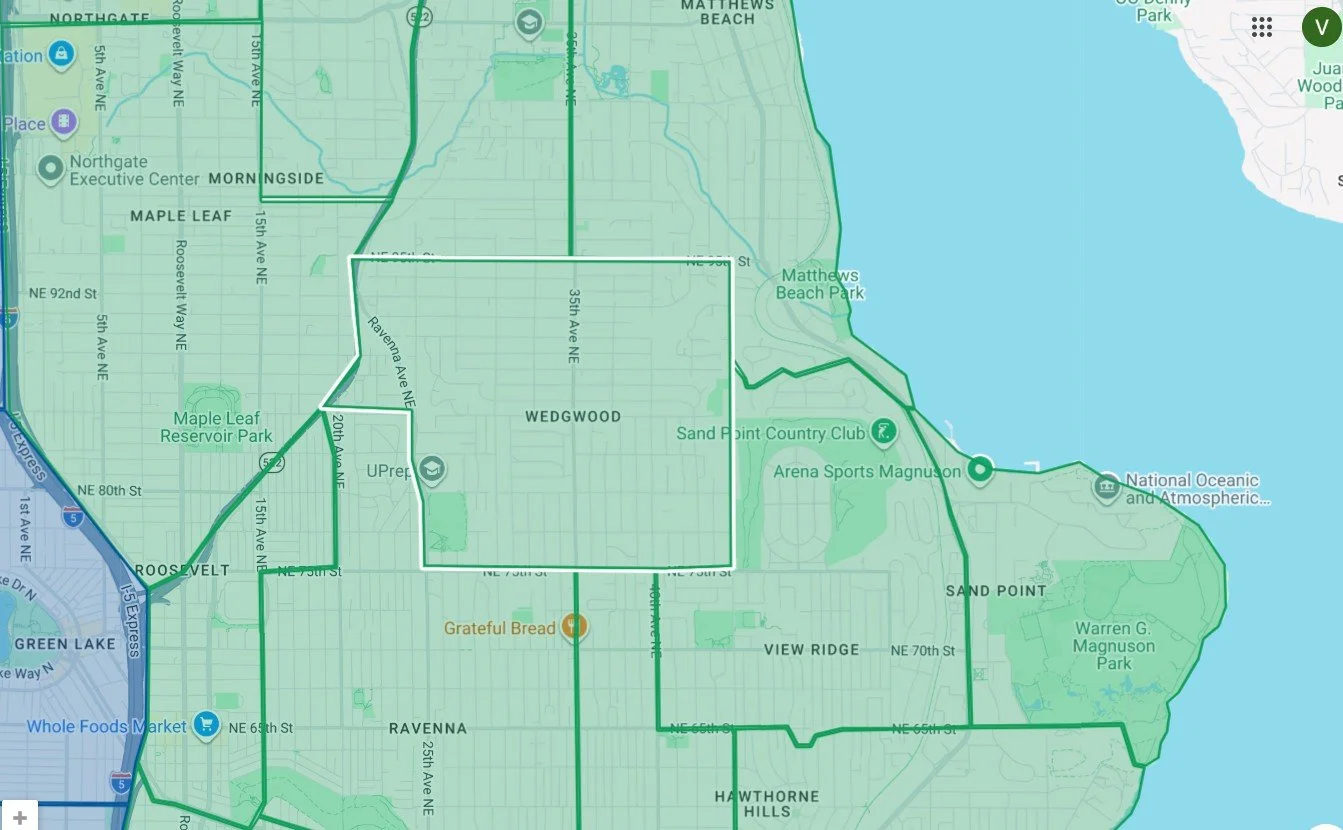
North of Matthews Beach Park
East of Ravenna
South of Northeast Veterinary Hospital
West of Maple Leaf

Downtown Seattle: 16 min (7.2 mi)
SLU: 15 min (6.3 mi)
I-5 Access: 8 min (1.9 mi)
520 Access: 12 min (3.6 mi)
I-90 Access: 18 min (8.9 mi)
Downtown Bellevue: 24 min (9.9 mi)
Is Wedgwood safe?
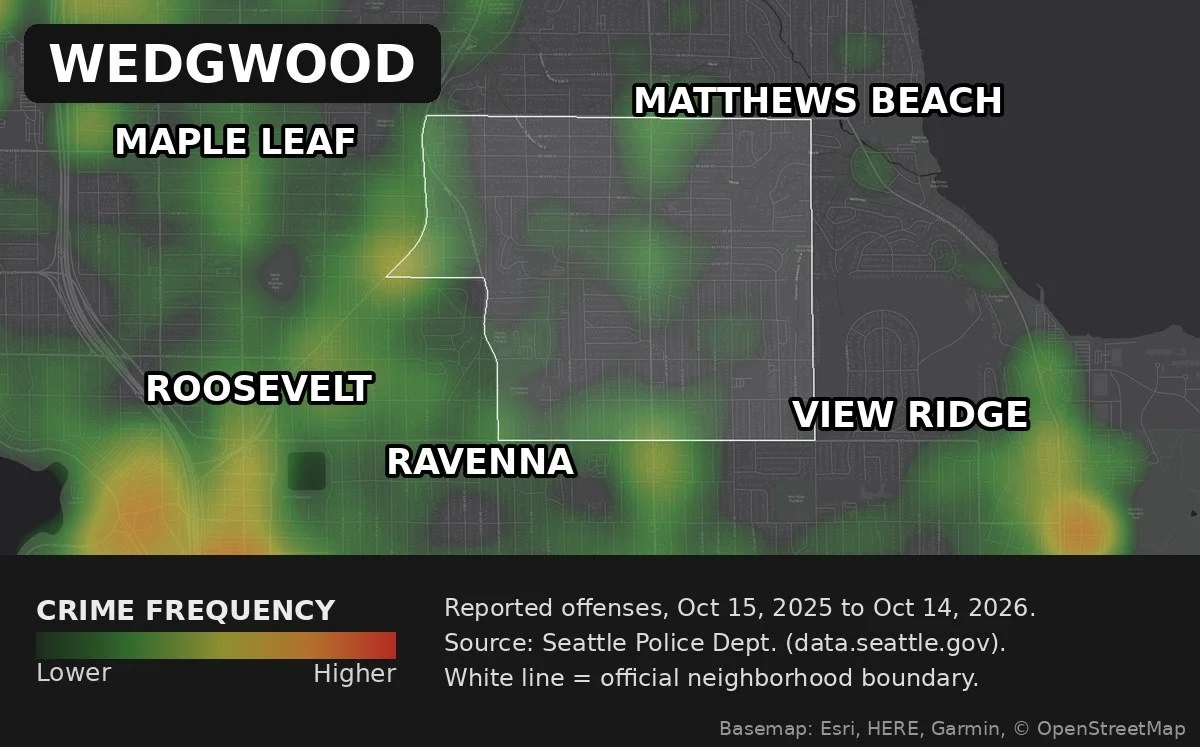
Crime levels vary block by block and change over time, so Brian encourages buyers to review current reports from the Seattle Police Department before choosing a home.
Facts and resources for Wedgwood
Wedgwood was originally developed in the 1940s by builder Albert Balch, who focused on creating affordable, well-built homes for returning WWII veterans, which is why you’ll still see a strong presence of mid-century ramblers throughout the neighborhood. Learn More About It
The neighborhood gets its name from Wedgwood china, reflecting the developer’s vision of elegance and cohesion rather than any direct historical tie to the pottery itself.
Wedgwood Rock is a massive 700-ton glacial erratic left behind by the last Ice Age and is considered one of the largest in Seattle, quietly tucked into a residential block as a true hyper-local landmark. Learn More About It
The area was once heavily wooded and semi-rural, and remnants of that past still exist in places like Ravenna Park, where old-growth ravines give a sense of pre-development Seattle.
Wedgwood Community Council has been active since the 1940s and continues to shape local planning, events, and preservation efforts.
Unlike many Seattle neighborhoods, Wedgwood was intentionally designed without heavy commercial zoning, which is why its main retail corridor along 35th Ave NE feels unusually calm and residential compared to busier districts nearby.
Dahl Playfield is more than just a sports field: it serves as a central gathering space for community events, casual leagues, and seasonal activities that quietly anchor neighborhood life.
Wedgwood is part of Seattle’s northeast “high ground,” sitting at a higher elevation than surrounding areas, which historically made it less prone to flooding and contributed to its appeal for early suburban-style development.
Wedgwood /98115 Demographics and Statistics
Population Growth (since 2000): 8%
Population Density (ppl / mile): 7513.40
Household Size (ppl): 2
Median Age: 41.57
Annual Residential Turnover: 20%
5+ Years in Residency: 38%
Median Year in Residency: 3.79
Households w/ Children: 25%
Population by Age Group
Household Income by Dollar Range
Highest Education Level Attended
Wedgwood Homes For Sale
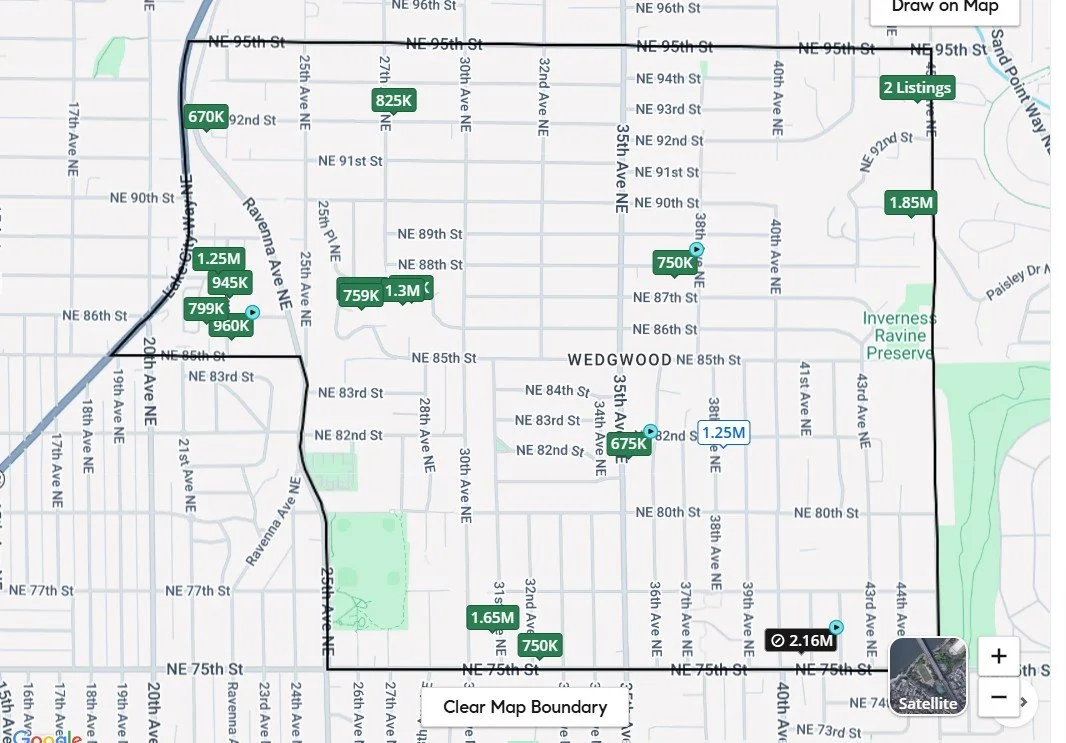
Homes currently for Sale in Wedgwood
Q&A with your Wedgwood realtor
-
Moving into a condo in Wedgwood is an excellent way to remain ultra walkable. Condos are also typically maintenance-free. However, there are few larger condos and many “boutique” condos where you would/should have a role in maintaining the community. The beauty of these smaller condos is that it’s almost like co-op living - for the most part it’s still maintenance-free where the building is taken care of by whoever your community hires to take care of it, but you decide as a community what you want in the gardens and such. Much less work than owning a house. Wedgwood also has a great rental market should you want to rent it out later to upgrade to a larger home.
-
There are many townhomes built in Wedgwood compared to places with larger lots. Many newer rowhomes and the like have popped up over recent years. Townhouses here offer low-maintenance living with more room than a condo.
-
Wedgwood is a great place for single-family residences as that’s what most buyers expect here. Lot sizes are generally ~3500sf, but can grow to nearly 5000sf. All are in very walkable locations. Homes are easy to maintain as most people hire landscapers and handy-people who can easily access this central neighborhood.