

Magnolia
Moving to Seattle? What is Magnolia like?
Magnolia is a rare retreat, yet only minutes from downtown. A juxtaposition of areas that are worlds apart in ambiance. Encircled by Puget Sound on 3 sides and anchored by the lush 534‑acre Discovery Park, you’ll wake to sweeping views of the Olympic Mountains, sparkling water, and serene forest trails. Public amenities shine: sprawling parkland, bluff‑top beaches, tennis courts and picnic lawns at Magnolia Park, and a welcoming village center with a Saturday farmers market and independent cafés. On the private side, you’ll find gracious residences on generous lots, boutique shopping and gourmet dining in the heart of the village, and highly regarded schools. If you value quiet luxury, proximity to nature and effortless access to the city, Magnolia delivers with refined ease.
What’s around the Magnolia neighborhood?
EXPLORE
-
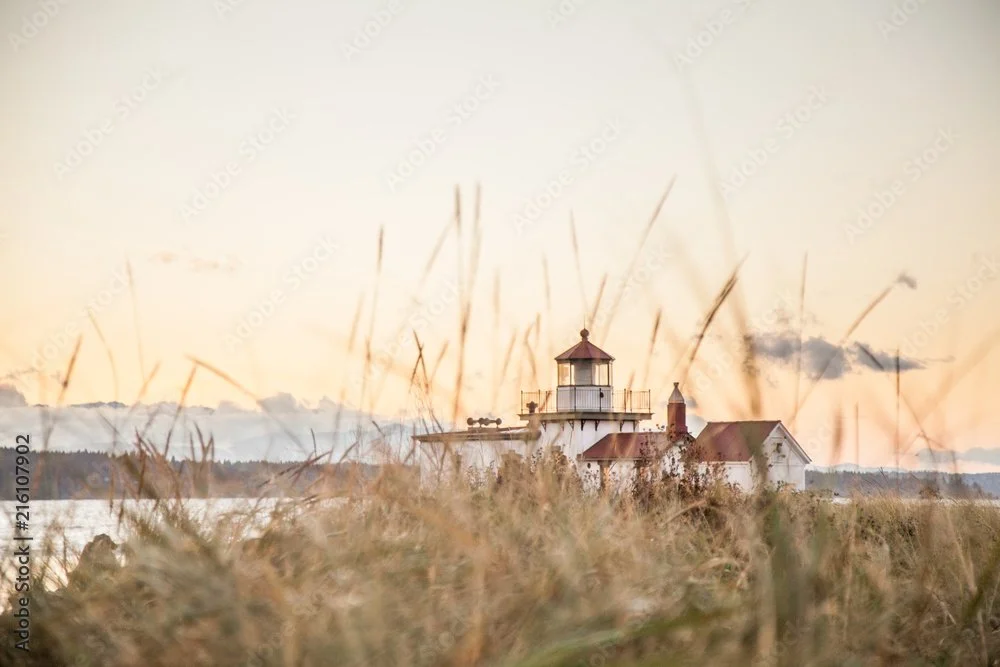
Magnolia offers incredible weekend discoveries like the expansive Discovery Park with its scenic trails, West Point Lighthouse, and sweeping Puget Sound views. Visit Ella Bailey Park for skyline views, or walk the serene Magnolia Boulevard for one of Seattle’s most picturesque strolls. The neighborhood’s tucked-away feel adds to its charm, making each outing feel like a peaceful retreat from the city.

DINE
-
Magnolia’s dining scene is cozy but full of character. Locals love grabbing coffee at the charming Café Besalu, known for its flaky pastries and relaxed vibe. For a neighborhood favorite with a view, try Mulleady’s Irish Pub; its moody, wood-paneled interior and elevated pub fare make it a standout. Hidden away near the marina, Chinook’s offers classic Pacific Northwest seafood with sweeping waterfront views, perfect for a laid-back weekend treat.

SHOP
-
Magnolia’s village-like center offers a small but charming selection of shops, including local boutiques like Modele’s Home Furnishings and Vixen Day Spa & Boutique, perfect for gifts, home decor, or self-care splurges. While there’s no major mall, the Magnolia Village area acts as a central hub for shopping. For groceries, locals rely on Magnolia's Metropolitan Market- an upscale grocery store and a Seattle favorite known for its gourmet selections and local produce. And be sure to check out Magnolia Garden Center, a beloved spot for plant lovers, tucked just off the main strip.
Where is Magnolia?
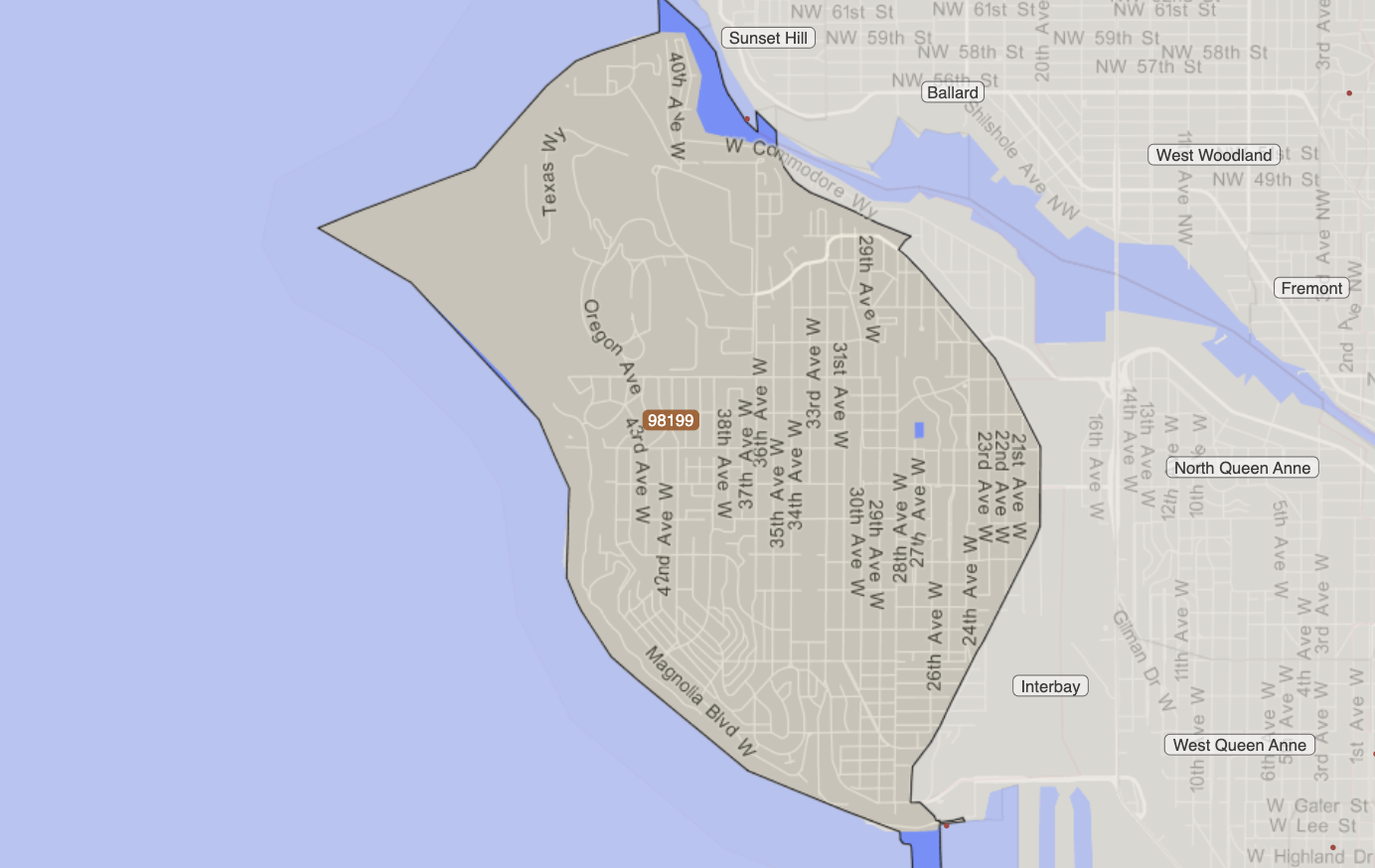
North of Elliott Bay
East of The Northern portion of Elliott Bay, as well as the greater Puget Sound
South of Sunset Hill and Shilshole Bay
West of Interbay

Downtown Seattle: 10 min (3.6 mi)
SLU: 11 min (3.7 mi)
I-5 Access: 11 min (3.7 mi)
520 Access: 12 min (4.7 mi)
I-90 Access: 15 min (6.2 mi)
Downtown Bellevue: 20 min (12.3 mi)
Ballard’s Market Street: 6 min (2.8 mi)
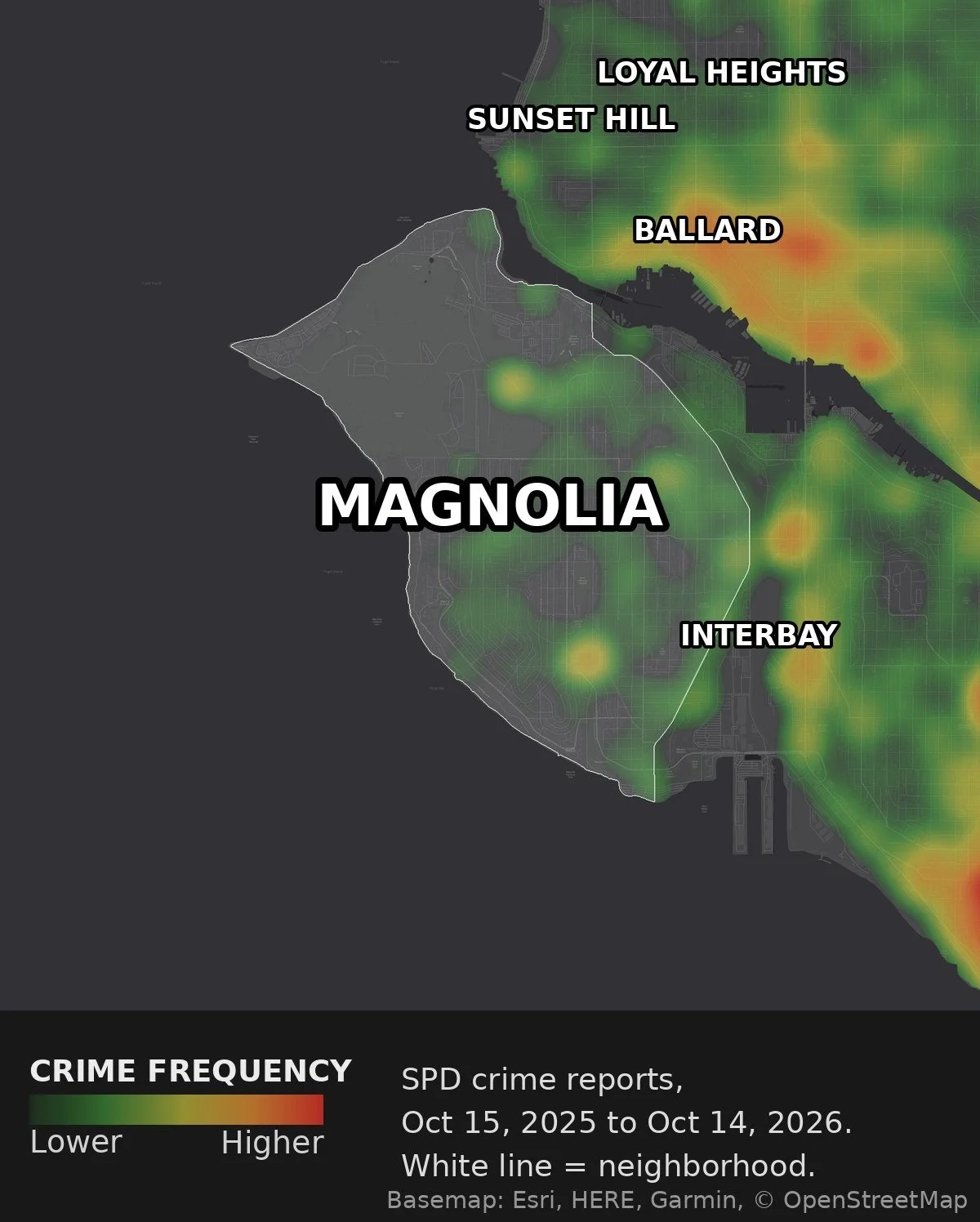
Crime levels vary block by block and change over time, so Brian encourages buyers to review current reports from the Seattle Police Department before choosing a home.
Is Magnolia safe?
Sub-neighborhoods of Magnolia
Southeast Magnolia
Downtown Magnolia, Magnolia Playfield Park, and everything east that is south of Dravus
28th Ave W is the N/S arterial that is the ridge of the hill that essentially runs from the Ballard Locks to Galer Street
Lawtonwood
Very Northwest tip of Magnolia, north of Discovery Park.
Lawtonwood is a secluded enclave, with forested lots, large houses, westward Shilshole Bay views. The most expensive group of homes. A historical area, developed before Fort Lawton
Carlton Park
Top of the westernmost hill
The largest upscale neighborhood
Magnolia Village
On Google Maps, Magnolia Village is part of Southeast Magnolia- but it is distinct from the rest of SE Magnolia
Retail, dining, and summer farmer’s market. Housing is mix of apartments, condos, townhomes, houses in valley surrounding the village.
Fort Lawton
Located inside Discovery Park, was officer housing
Magnolia Bluffs
Along Magnolia Blvd
The area where Magnolia got its name - The Madronas along this cliffline were misidentified as Magnolias
Lawton Park
On google maps, it is north of Dravus.
Lots of condos on the eastern slope east of 28th but mostly houses all over
Contains both the Dravus and Emerson crossings over Interbay. Contains a small network of parks and paths that take you from Magnolia to the Ballard Locks
Briarcliff
South of Discovery Park (Emerson), West of Magnolia Village (34th)
Perkins Ln W contains mix of 1M to 5M homes- “Below” or west of Magnolia Blvd
Facts and resources for Magnolia
Peninsula with only 3 road access bridges
Magnolia is a peninsula in northwestern Seattle, surrounded by water on 3 sides (Puget Sound, Elliott Bay, Salmon Bay) and connected to the rest of the city by just 3 vehicle bridges: West Emerson Street (north), West Dravus Street (center) and the Magnolia Bridge (W Garfield Street) (south). Because of this limited access, the neighborhood has a somewhat “island‑feel” within the city. If you’ve heard chatter about the bridge replacement you may be curious to learn more.Home to Seattle’s largest city park: Discovery Park (534 acres)
One of Magnolia’s signature features is that much of its land is taken up by Discovery Park, 534 acres of forest, meadows, bluff‑top and beach trail. The park includes the historical military site of Fort Lawton. Newcomers to Seattle will love the park for its spectacular views of both the Olympic and Cascade mountain ranges and Puget Sound from Magnolia Bluff, but note that parking is about a 10 minute walk along the beautiful trails and roads before reaching the beach.Name derived from a mis‑identification of trees
The neighborhood’s name “Magnolia” comes from an 1857 mistake: Lt. George Davidson thought the native madrona trees were magnolias, and the name stuck.Low through‑traffic, a “quiet enclave” feel despite the city proximity
With limited access points, lots of residential zoning and large lots, Magnolia has a quieter, more “suburban‑within‑the‑city” feeling compared to many urban Seattle neighborhoods.The architectural mix: from mid‑century ranch to waterfront mansions
Housing in Magnolia spans many styles: 1950s/60s ranch houses, modern condos, historic mansions with water views, as well as large lots with mature landscaping. Lot sizes tend to be larger and there are fewer high‑density developments compared to many Seattle neighborhoods.Active local history community
The Magnolia Historical Society is devoted to preserving local history, and has even produced award‑winning publications (e.g., Magnolia: Mid‑Century Memories). If you’re a history buff, or just want to understand the history of the neighborhood, they are a great resource.
Magnolia/98199 Demographics and Statistics
Population Growth (since 2000): 8%
Population Density (ppl / mile): 5,143.60
Household Size (ppl): 2
Median Age: 42.59
Annual Residential Turnover: 24%
5+ Years in Residency: 35%
Median Year in Residency: 3.6
Households w/ Children: 21%
Population by Age Group
Household Income by Dollar Range
Highest Education Level Attended
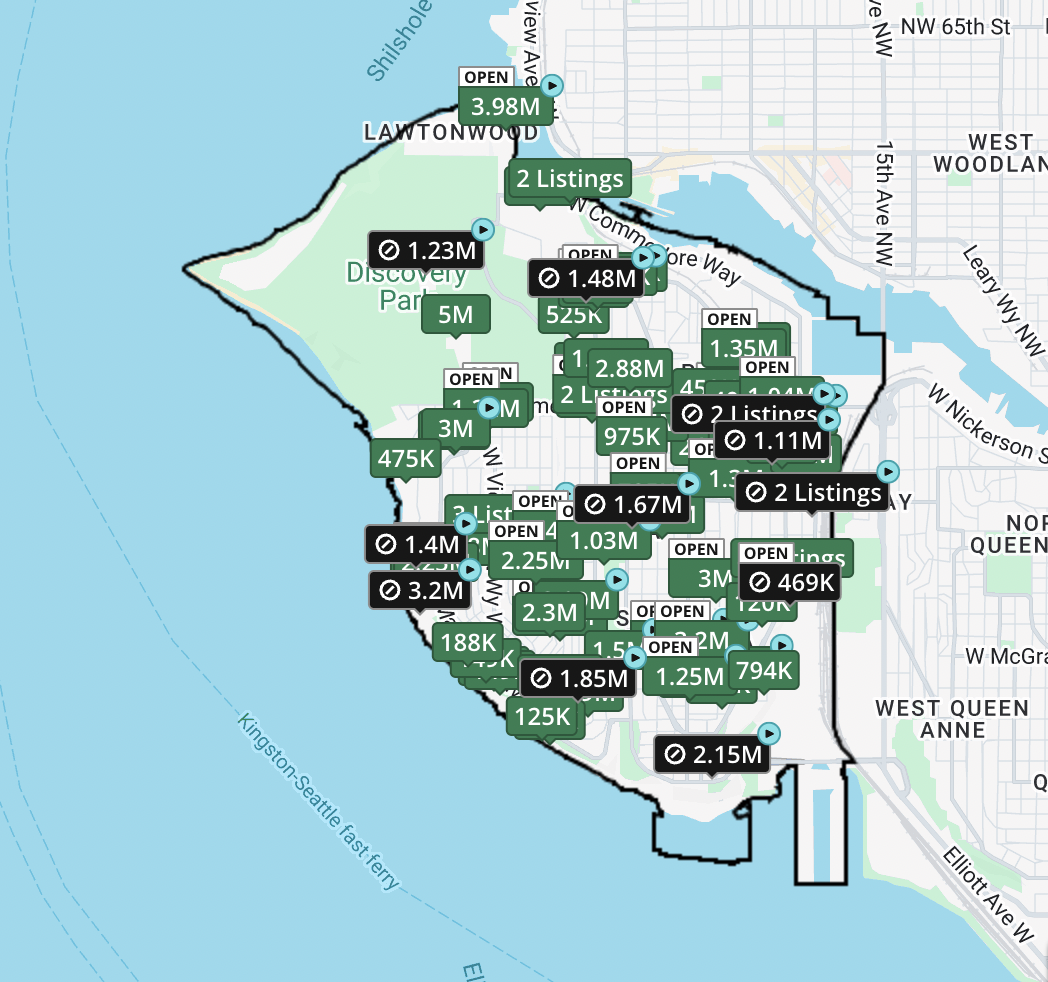
Magnolia Homes For Sale
Homes currently for Sale in Magnolia
Q&A with your Magnolia realtor
-
Moving into a condo in Magnolia is an excellent way to get into this popular neighborhood. Condos are also typically maintenance-free. There are “boutique” condos where you would/should have a role in maintaining the community. The beauty of these smaller condos is that it’s almost like co-op living - for the most part it’s still maintenance-free where the building is taken care of by whoever your community hires to take care of it, but you decide as a community what you want in the gardens and such. Much less work than owning a house. Magnolia also has a great rental market should you want to rent it out later to upgrade to a larger home.
-
Though Magnolia offers more single family homes, new rowhome developments and the like have popped up over recent years. Townhouses here offer low-maintenance living with more room than a condo.
-
Magnolia is a great place for single-family residences as that’s what most buyers expect here. Lot sizes are generally ~3500sf, but can grow to nearly 5000sf. All are in very walkable locations. Homes are easy to maintain as most people hire landscapers and handy-people who can easily access this central neighborhood.