
Bryant
Moving to Seattle? What is Bryant like?
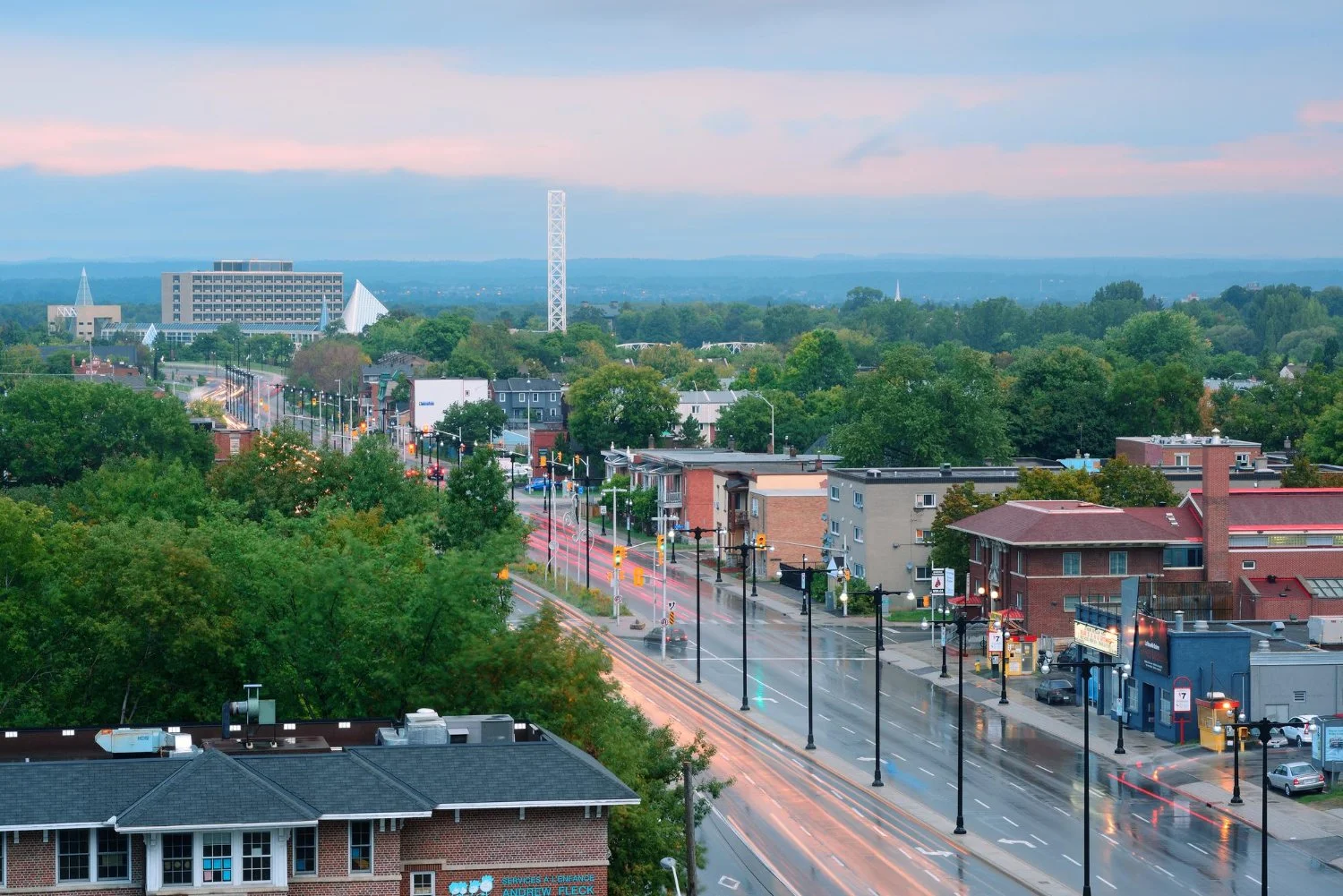
Tucked into northeast Seattle, Bryant reads like a private garden suburb with an academic edge, where leafy streets and proximity to University of Washington create both calm and intellectual energy. Natural beauty defines daily life, with the Burke-Gilman Trail tracing the neighborhood’s edge and nearby parks such as Bryant Neighborhood Playground and Warren G. Magnuson Park offering green space, water access, and an easy rhythm of outdoor living. Public amenities include a branch of the Seattle Public Library and easy transit connections. Private amenities cluster elegantly along nearby corridors and at University Village, where boutique retail, polished dining, and upscale grocers meet daily needs with style. The result is a neighborhood that feels composed and refined, yet effortlessly connected to both nature and the city’s most dynamic institutions.
What’s around the Bryant neighborhood?
EXPLORE
-
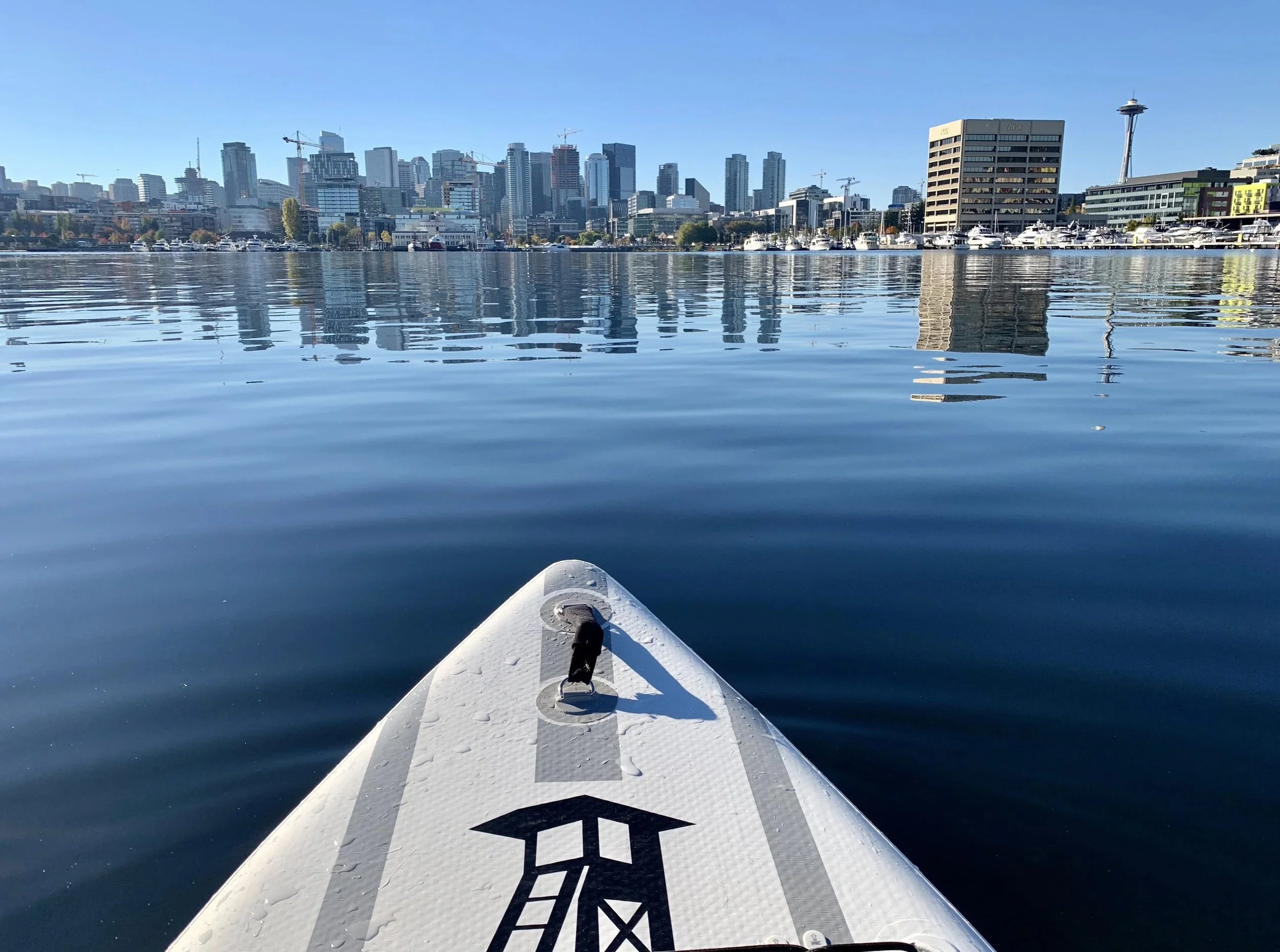
Bryant offers more than quiet streets if you know where to look: wander the lush lawns and hidden corners of Bryant Neighborhood Playground, then bike or stroll along the scenic Burke-Gilman Trail for a true neighborhood rhythm. Just beyond, the expansive Warren G. Magnuson Park delivers waterfront trails, public art, and unexpected open space that feels worlds away from the city. For something quieter and more tucked-away, explore Ravenna Park, where forested trails and a deep ravine create a surprising, almost secret escape within minutes of home.

DINE
-
Bryant’s dining scene is understated but full of local character if you know where to look: start with The Wedgwood Broiler for classic steakhouse nostalgia with a retro lounge feel, then swing by Mioposto for wood-fired pizza and a lively neighborhood buzz. For something more low-key and beloved by locals, Van Gogh Coffeehouse offers cozy charm and artistic flair, while nearby U Village Din Tai Fung delivers an energetic, upscale dumpling experience that draws devoted regulars.

SHOP
-
Bryant keeps things intentionally low-key, so most residents look just beyond its borders for standout shopping: the nearby University Village serves as the area’s polished retail hub, blending open-air boutiques and national brands with a distinctly Pacific Northwest feel. Closer to home, small neighborhood staples like PCC Community Markets and Safeway cover everyday grocery needs, while a handful of independent shops along 35th Avenue NE add a subtle, local touch. The result is a neighborhood that stays quiet and residential, yet places elevated shopping and quality essentials just minutes away.
Where is Bryant?
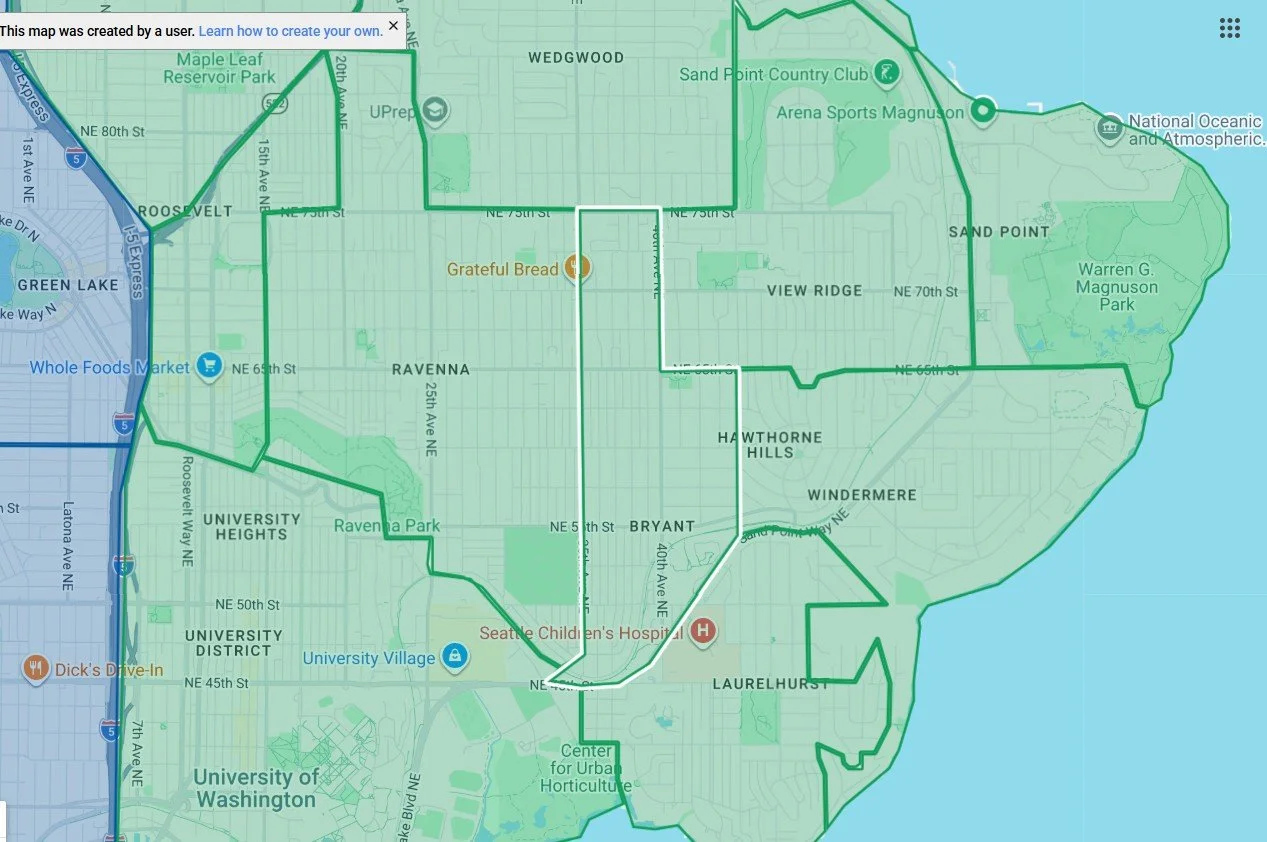
North of Windermere
East of Laurelhurst
South of Wedgwood
West of Ravenna

Downtown Seattle: 15 min (6.0 mi)
SLU: 14 min (5.1 mi)
I-5 Access: 8 min (2.3 mi)
520 Access: 8 min (2.6 mi)
I-90 Access: 18 min (7.8 mi)
Downtown Bellevue: 20 min (8.9 mi)
Is Bryant safe?
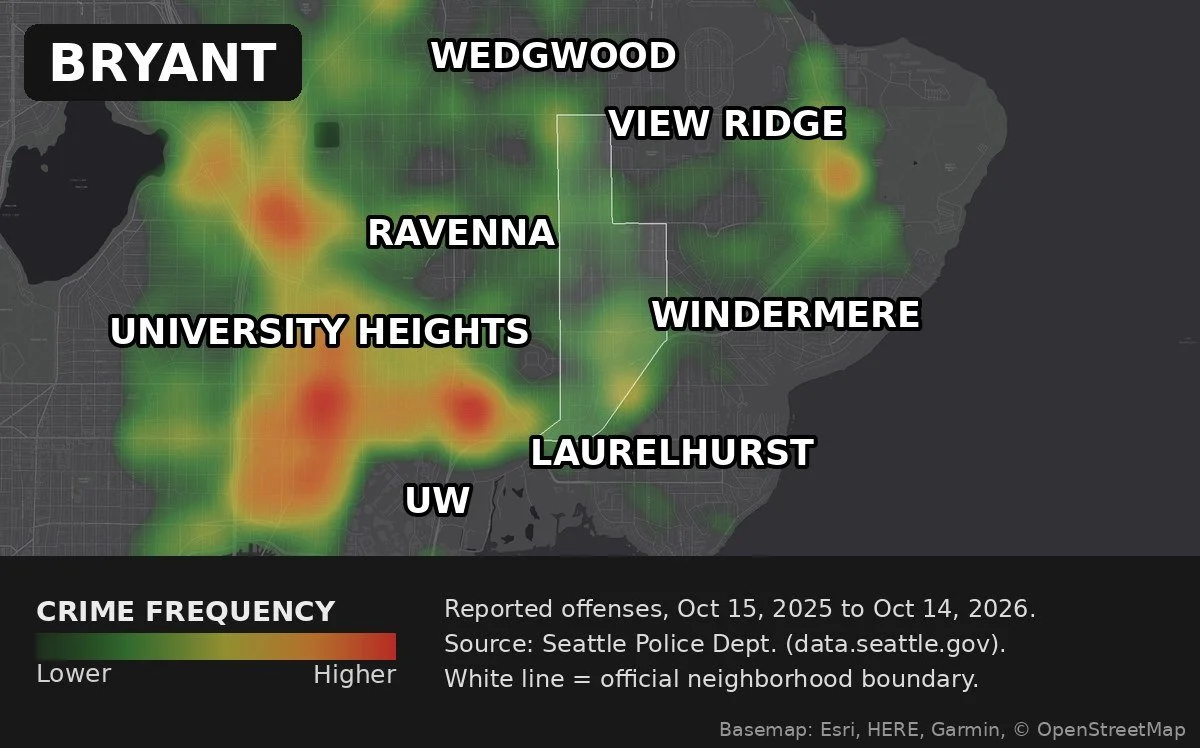
Crime levels vary block by block and change over time, so Brian encourages buyers to review current reports from the Seattle Police Department before choosing a home.
Facts and resources for Bryant
Bryant takes its name from William Cullen Bryant, a 19th-century poet and newspaper editor, continuing Seattle’s tradition of naming neighborhoods after literary figures. Learn More About It
The neighborhood is anchored by Bryant Elementary School, consistently ranked among Seattle’s top public elementary schools, which has helped shape Bryant’s strong community identity and long-term residential appeal.
Burke-Gilman Trail runs along Bryant’s southern edge, but what many don’t realize is that this trail follows a former railroad corridor dating back to the late 1800s, giving it both recreational and historical significance.
Bryant Neighborhood Playground is more than a park, as it sits on land once part of early 20th-century residential expansion and now serves as a central gathering point with upgraded playfields and community events.
Just north of Bryant, Ravenna Park preserves one of Seattle’s last remaining old-growth ravines, with towering trees that hint at what much of the area looked like before urban development. Learn More About It
The nearby University Village sits on land that was once a landfill in the early 20th century, later transformed into one of Seattle’s most successful open-air retail destinations. Learn More About It
Bryant is part of Seattle’s “northeast cluster” of neighborhoods known for their strong community councils and planning groups, contributing to well-maintained streets, schools, and parks.
Bryant /72089 Demographics and Statistics
Population Growth (since 2000): 4%
Population Density (ppl / mile): 8146
Household Size (ppl): 2
Median Age: 39.84
Annual Residential Turnover: 22%
5+ Years in Residency: 38%
Median Year in Residency: 4.08
Households w/ Children: 26%
Population by Age Group
Household Income by Dollar Range
Highest Education Level Attended
Bryant Homes For Sale
Homes currently for Sale in Bryant
Q&A with your Bryant realtor
-
Moving into a condo in Bryant is an excellent way to remain ultra walkable. Condos are also typically maintenance-free. However, there are few larger condos and many “boutique” condos where you would/should have a role in maintaining the community. The beauty of these smaller condos is that it’s almost like co-op living - for the most part it’s still maintenance-free where the building is taken care of by whoever your community hires to take care of it, but you decide as a community what you want in the gardens and such. Much less work than owning a house. Bryant also has a great rental market should you want to rent it out later to upgrade to a larger home.
-
There are many townhomes built in Bryant compared to places with larger lots. Many newer rowhomes and the like have popped up over recent years. Townhouses here offer low-maintenance living with more room than a condo.
-
Bryant is a great place for single-family residences as that’s what most buyers expect here. Lot sizes are generally ~3500sf, but can grow to nearly 5000sf. All are in very walkable locations. Homes are easy to maintain as most people hire landscapers and handy-people who can easily access this central neighborhood.